
A clear service answer
Is ceiling water damage the right service for this loss?
Ceiling water damage help that finds the source above, dries the area, and addresses stained or sagging drywall.
The central service decision
Stabilize, trace, dry, and repair
Is the ceiling safely stable, where did the water originate above it, and can the assembly be dried before finish repair?
- Review
- sagging, electrical, and collapse concerns
- Review
- roof, plumbing, or upper-level source
- Review
- insulation, framing, and drywall condition
When it may fit
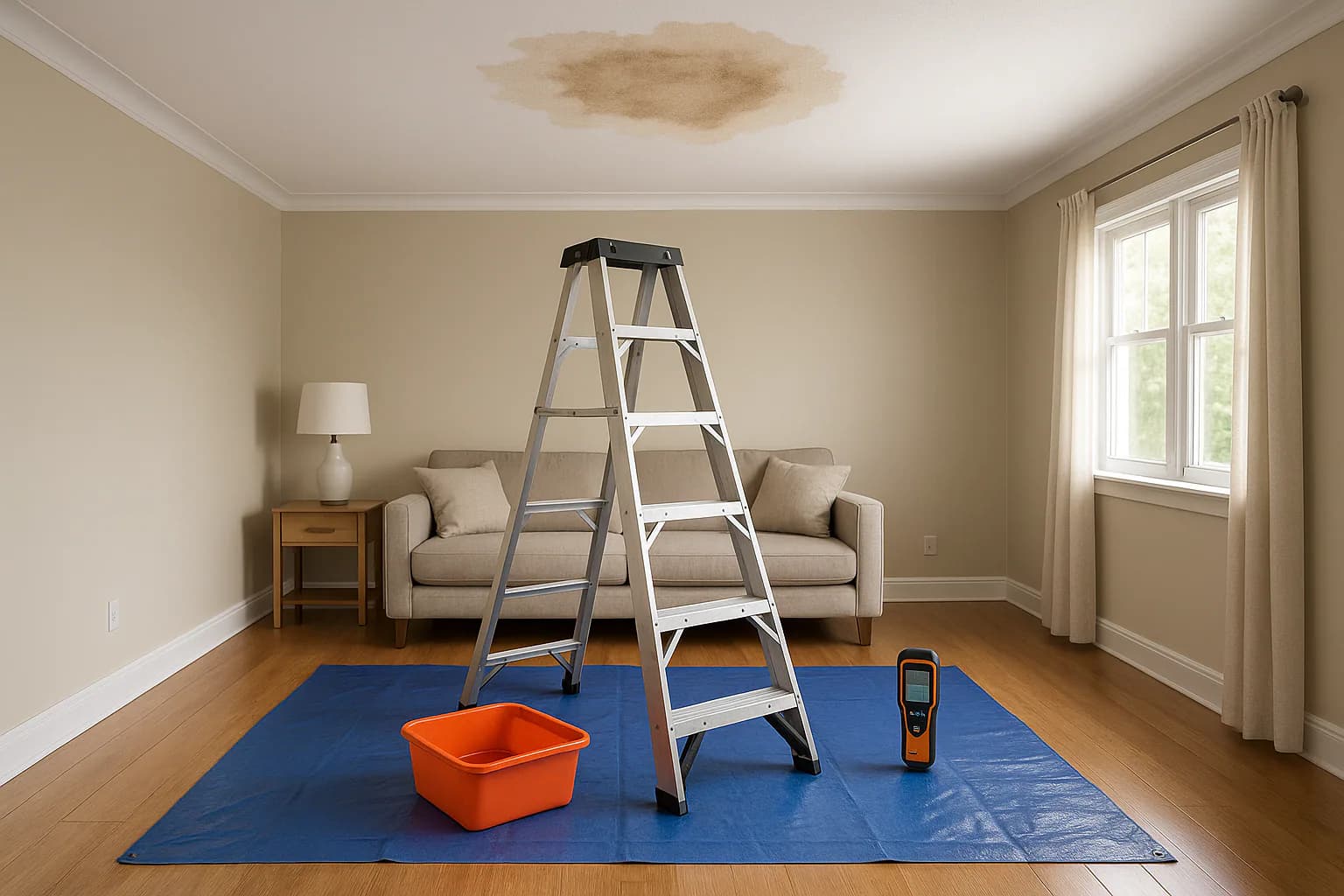
Your ceiling has a water stain or discoloration. Drywall overhead is sagging, bubbling, or dripping. An upstairs leak or roof leak is reaching the ceiling below. Water is collecting overhead and you are worried it could fall.
How the problem may start
Roof leaks and storm intrusion above the ceiling. Plumbing leaks from bathrooms or pipes on the floor above. Overflowing fixtures upstairs. Condensation and HVAC issues in the space above.
Service context in South Jordan
Local conditions that can affect the plan
Local planning context
What can shape the assessment in South Jordan
Water damage here comes mainly from winter pipe freezes, valley snowmelt, and the expansive clay soils that swell and shrink with moisture and stress foundations. Homes near the Jordan River corridor sit on alluvial clay and silt with a river-influenced water table.
Strong wind context
FEMA's county-level National Risk Index records strong wind as relatively moderate for Salt Lake. This is regional context, not a finding about a specific address.
Winter weather context
FEMA's county-level National Risk Index records winter weather as very high for Salt Lake. This is regional context, not a finding about a specific address.
Access and drying consideration
Burst pipes can run for hours in newer two-story homes before water reaches lower floors
Property and material context
Most housing is recent, dominated by 2000s-onward single-family homes, townhomes, and condos in Daybreak and nearby subdivisions
Property and material context
Homes sit on the Wasatch Front's expansive clay soils, with the eastern side near the Jordan River on alluvial clay and silt
Access and drying consideration
Seepage through clay-stressed foundation cracks can be slow and easy to miss until moisture spreads
Access and drying consideration
Trapped moisture behind finished basement walls needs metering even when surfaces feel dry
Verified service geography
The Census Gazetteer identifies South Jordan city as the matched service geography. Property conditions and service scope still require an on-site assessment.
Local water-loss scenario
Frozen and burst pipes during prolonged winter freezes
Professional service plan
How ceiling water damage work moves forward
Assess and contain
Find the source above
Trace the water back to the roof, plumbing, or fixture causing the ceiling leak.
Protect the area
Keep people out from beneath a sagging or water-filled ceiling and have a qualified professional assess and control the hazard.
Remove and dry
Dry the cavity
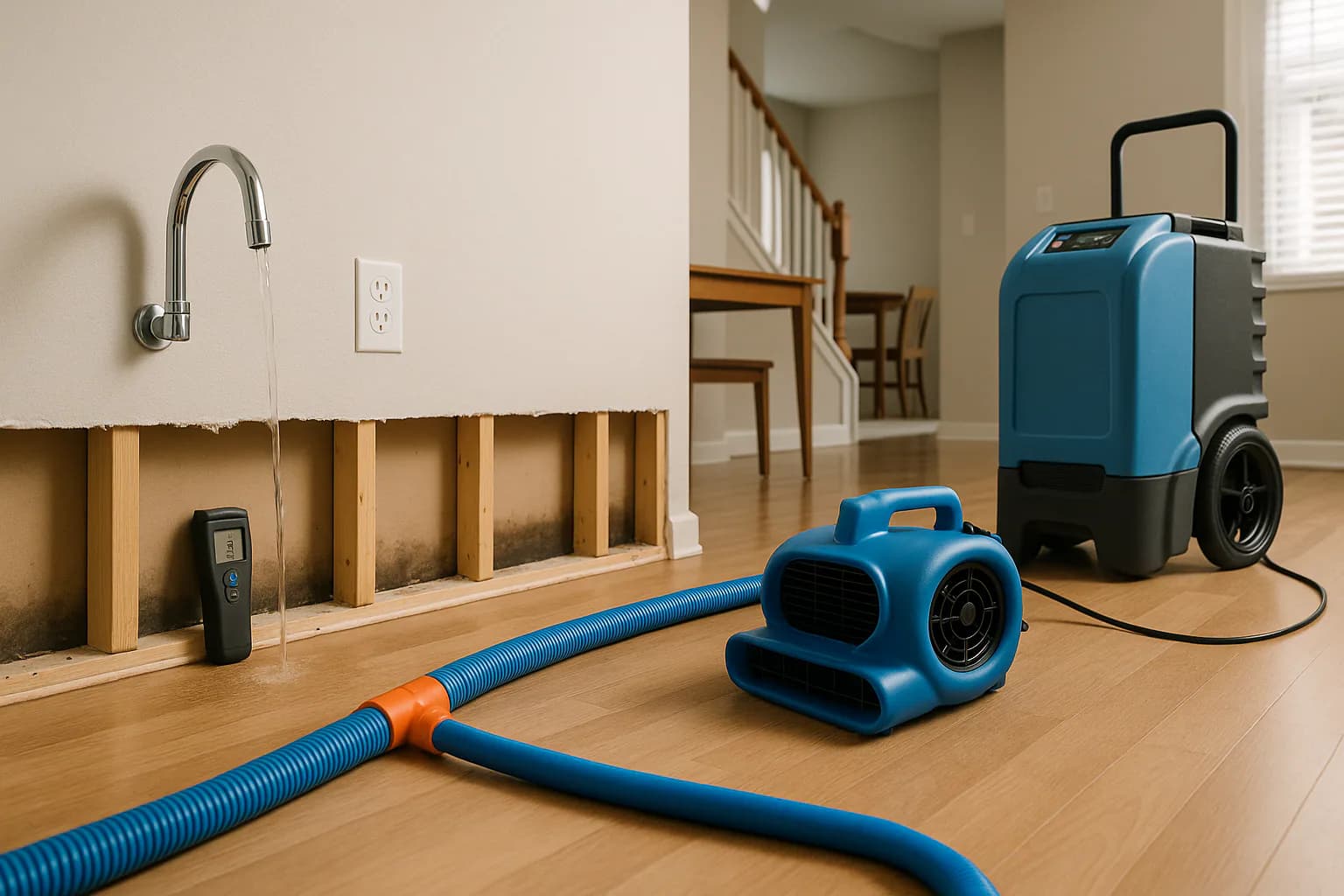
Dry the ceiling, the space above it, and any walls the water reached.
Remove damaged drywall
Remove ceiling drywall that is saturated, stained, or structurally compromised.
Verify and recover
Plan the repair
Plan the patch, finish, and paint once the area is confirmed dry.
Scope and outcome
What changes the amount of work
Extent of ceiling and structural damage. Source and type of water leak. Level of contamination (clean vs. black water). Time taken to dry and prevent mold.
Insurance policy terms and coverage. The cost can vary greatly depending on whether the leak is from a roof, pipe, or appliance. Identifying and fixing the source is crucial. Minor stains are less costly than structural damage. The extent of water travel before detection affects repair costs. Costs increase with contamination level. Clean water is cheaper to address than gray or black water from sewage or floods.
Cost and scope
What affects ceiling water damage cost in South Jordan
Ceiling water damage costs vary based on the source and extent of the damage. Proper assessment is crucial to avoid wasted expenses.
A written estimate should connect each charge to the source, affected materials, access, contamination conditions, drying work, and repairs found during the assessment.
National planning range for this location
Standard residential planning range
$1,175-$2,575 per project
Resolved from the approved Water Restoration Pros pricing methodology and standardized scope.
National planning range used for this location until reviewed local economic inputs are available.
Cost ranges are estimates developed from standardized project scopes and reviewed pricing inputs. Government labor and regional cost data are used where applicable. See our Pricing Methodology for the exact sources, calculations, and review date. Actual prices vary by property, scope, materials or equipment, location, and provider.
Source of Leak
The cost can vary greatly depending on whether the leak is from a roof, pipe, or appliance. Identifying and fixing the source is crucial.
Extent of Damage
Minor stains are less costly than structural damage. The extent of water travel before detection affects repair costs.
Water Contamination Level
Costs increase with contamination level. Clean water is cheaper to address than gray or black water from sewage or floods.
Drying Time
Quick drying can prevent mold, reducing costs. Delays may lead to mold growth, requiring more extensive repairs.
What happens next
What to expect from the first visit
Find the source above
Trace the water back to the roof, plumbing, or fixture causing the ceiling leak.
Protect the area
Keep people out from beneath a sagging or water-filled ceiling and have a qualified professional assess and control the hazard.
Dry the cavity
Dry the ceiling, the space above it, and any walls the water reached.
Remove damaged drywall
Remove ceiling drywall that is saturated, stained, or structurally compromised.
Before approving the scope
Questions that make a proposal easier to compare
How will the assessment document sagging, electrical, and collapse concerns?
The answer should be specific to the property and reflected in the written scope.
Which conditions determine whether ceiling water damage is the right service path?
The answer should be specific to the property and reflected in the written scope.
What work, specialist responsibilities, measurements, and completion records will be included in writing?
The answer should be specific to the property and reflected in the written scope.
Documentation
Keep the property record organized
Coverage depends on the water source, policy language, exclusions, endorsements, limits, deductible, and claim facts. When conditions are safe, document the apparent source, affected rooms, visible damage, and reasonable steps taken to limit additional loss. Review the policy and follow the insurer's claim instructions.
This is general information, not insurance or legal advice.
Read the water damage insurance claim guideMore ceiling water damage in Utah
Questions property owners ask
Ceiling Water Damage in South Jordan: FAQs
What can affect ceiling water damage in South Jordan, UT?
What should a ceiling water damage assessment cover in South Jordan, UT?
Is a sagging, water-filled ceiling dangerous?
Why does my ceiling have a water stain?
Can the ceiling be repaired without finding the leak?
Technical and safety sources (12)
These sources support restoration, safety, moisture, cleanup, local context, and scope guidance. They do not serve as numeric pricing provenance.
- U.S. EPA - Flooded Home: EPA guidance on safety, cleanup, moisture control, and drying after a home is flooded.
- U.S. EPA - A Brief Guide to Mold, Moisture and Your Home: EPA guidance on moisture control, prompt drying, indoor humidity, and mold cleanup decisions.
- NAIC - Consumer Homeowners Insurance: NAIC consumer information on homeowners coverage, exclusions, inventories, and policy review.
- NAIC - What You Need to Know When Filing a Homeowners Claim: NAIC guidance on reporting a claim, documenting damage, deductibles, contractors, and adjuster meetings.
- FEMA National Risk Index: Counties: FEMA county-level hazard ratings used for conservative regional context.
- FEMA National Risk Index Technical Documentation: FEMA documentation for National Risk Index measures, scoring, and limitations.
- U.S. Census Bureau Gazetteer Files: Census reference for official place geography and Gazetteer datasets.
- CDC - Reentering Your Flooded Home Safely: CDC guidance on electrical hazards, standing water, ventilation, cleanup, and reentry after flooding.
- U.S. EPA - Lead Renovation, Repair and Painting Program: EPA requirements and consumer guidance for work that may disturb lead-based paint in covered pre-1978 properties.
- U.S. EPA - Protect Your Family from Exposures to Asbestos: EPA guidance on avoiding disturbance of suspected asbestos-containing materials and using appropriately trained professionals.
- FEMA - Ensure You Get the Required Permits: FEMA guidance to verify required local permits before repair and reconstruction in flood-hazard areas.
- U.S. Small Business Administration - Apply for licenses and permits: Federal guidance explaining that licensing and permit requirements vary by activity, location, and government rules.