Ceiling water damage is a visible warning sign that water is intruding somewhere above. Whether it appears as a spreading stain, bubbling paint, or sagging drywall, the underlying moisture often means more is happening out of sight. Identifying what causes ceiling water damage is important for taking timely action and limiting further issues.
Most ceiling water damage results from leaks above the ceiling—often from plumbing, roofing, or condensation sources. Recognizing these causes and related warning signs helps property owners respond appropriately. Restoration professionals can assist with locating hidden moisture, tracing the source, and recommending safe repair options.
Common Sources of Ceiling Water Damage
Ceiling water damage usually originates from somewhere above the affected area. Understanding frequent sources can help narrow down the likely origin. In many homes, common sources of ceiling moisture include:
- Plumbing leaks from water supply lines, drain pipes, or fittings above the ceiling
- Roofing issues such as worn shingles, missing flashing, or failed seals
- Overflowing or leaking bathroom fixtures, toilets, or shower pans in upstairs bathrooms
- Condensation from HVAC equipment or a clogged condensate drain line in the attic
- Appliance leaks, such as from washing machines or water heaters located on upper floors
Each source may show different signs. Roof leaks can appear after heavy rain, while plumbing leaks might cause steady staining or dripping, often aligned with bathrooms or kitchens above. Sometimes, condensation from cold surfaces in humid attics or around HVAC lines can also result in slow but persistent moisture exposure. Restoration professionals in your area use these clues, along with moisture meters and other tools, to help identify the source.
Even a minor leak can cause damage over time. Professionals may investigate less obvious causes, such as slow drips behind walls or hidden condensation in insulation, which can be difficult to detect without experience.
How to Spot Ceiling Water Damage Early
Early detection helps reduce the extent of damage and potential repair costs. Water intrusion is not always immediately visible, especially if it begins small or in unused spaces. Common warning signs include:
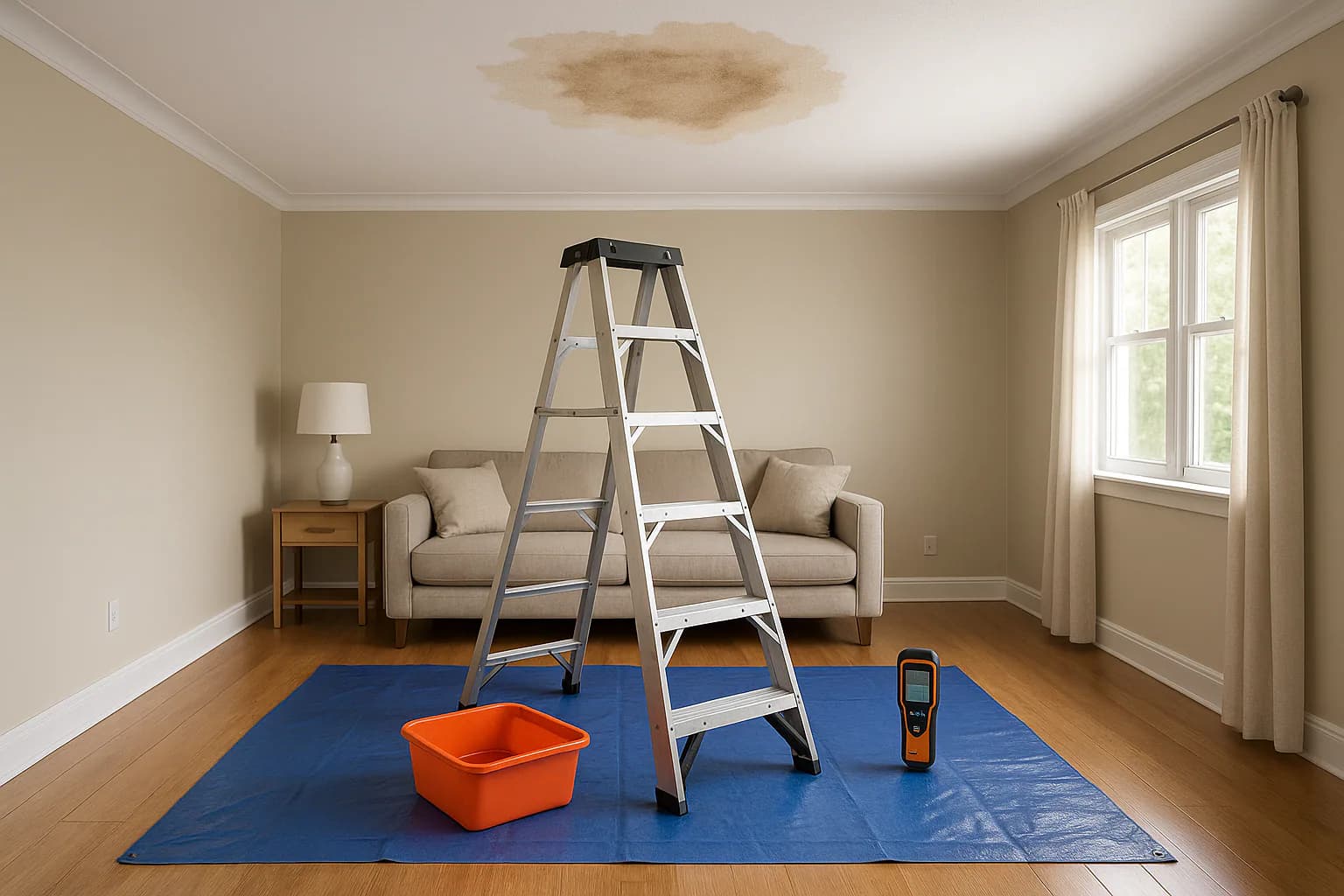
- Discoloration, such as yellow, brown, or copper-toned stains
- Bubbling, cracking, or peeling paint and drywall
- Persistent musty or earthy odors in one area
- Soft, spongy, or sagging spots in the ceiling material
- Visible drips or unexpected dampness, especially after rain or plumbing use
Some warning signs can be subtle. An unusual odor or a faint temperature difference on the ceiling may suggest hidden moisture. Restoration professionals may use thermal imaging to identify temperature patterns, but these are only clues. Suspicious areas should be confirmed with appropriate moisture measurement or direct inspection. Homeowners can use their senses to spot early signs, but persistent or widespread symptoms should be further investigated.
If you're unsure whether a spot is related to water damage, monitor it over several days. If it expands, changes color, or feels soft to the touch, it should be addressed promptly. Delaying may allow damage to spread to insulation, framing, and other building materials.
A Bulging Ceiling Can Be Dangerous
If your ceiling is sagging or holding a visible pocket of water, keep people and pets out of the area. Waterlogged drywall can collapse without warning. Seek professional assistance rather than puncturing it yourself.
Key Steps to Take When You Discover Ceiling Water Damage
Taking the appropriate steps can help limit the spread of water and support restoration professionals in addressing the problem. Quick action is particularly important if the water source is still active or if there is a risk of contaminated water (such as from a drain line, roof runoff, or flooding).
- 1
Stop the water if you can
Shut off the nearest water supply or the main valve if a plumbing source is likely.
- 2
Protect the area below
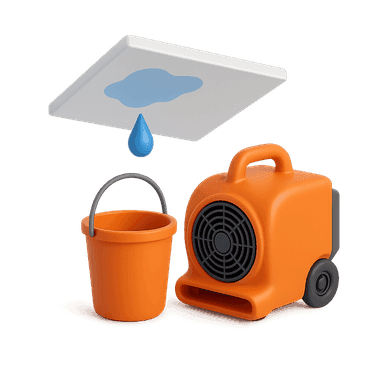
Move furniture and place a bucket or tarp to catch drips and limit floor damage.
- 3
Document the damage
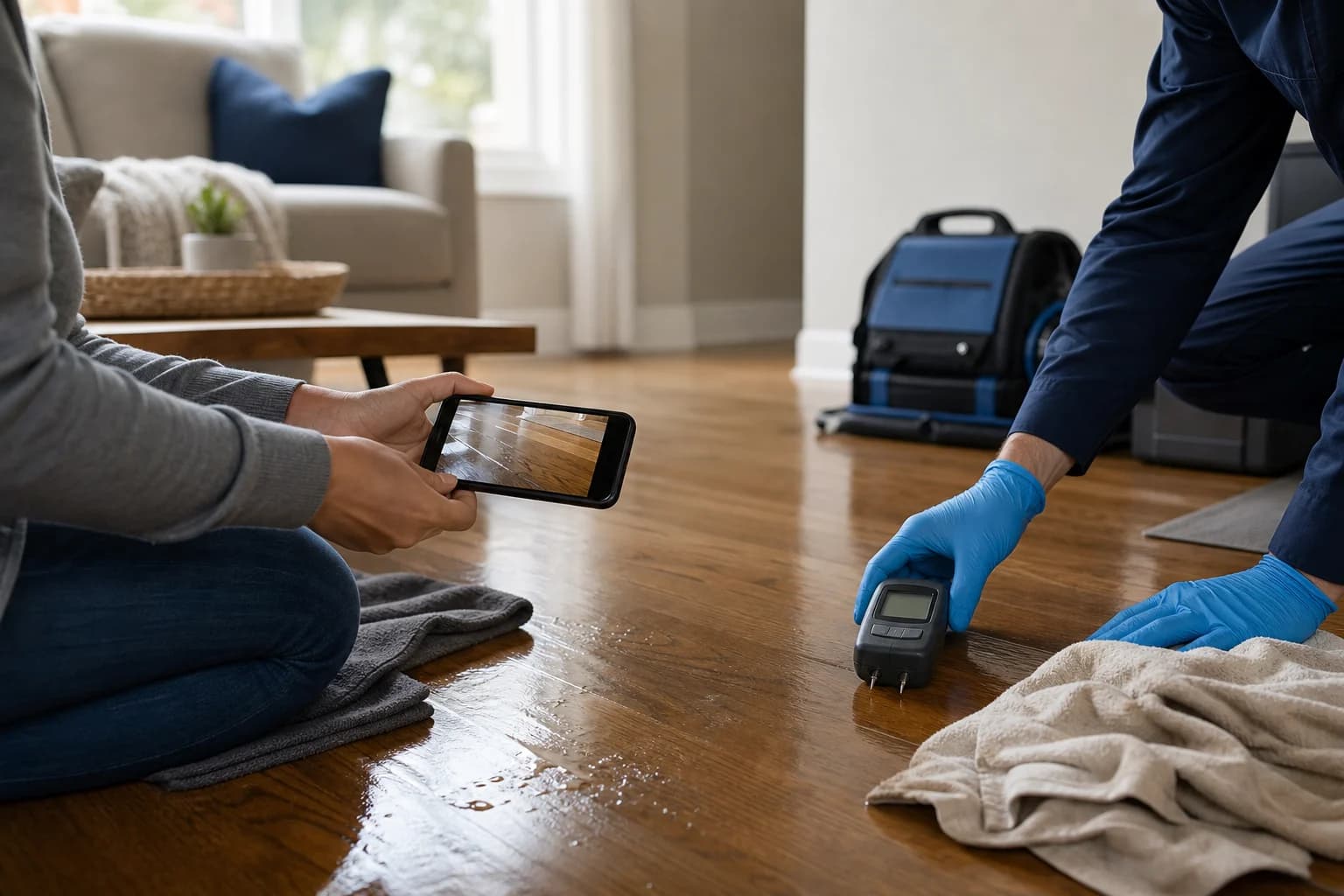
Take clear photos and notes before anything is moved or cleaned up.
- 4
Get connected with a professional
Contact a service to connect with trained restoration pros who can locate the source and dry the structure properly.
When water is actively dripping, controlling the immediate area and avoiding electrical or slip hazards is a priority. Do not enter standing water near electrical equipment or attempt to reach a breaker through a wet area. Homeowners should avoid cutting into ceilings or handling wet insulation, as this can release trapped water or expose potentially contaminated materials. Restoration professionals in your area can determine safe access and effective drying methods.
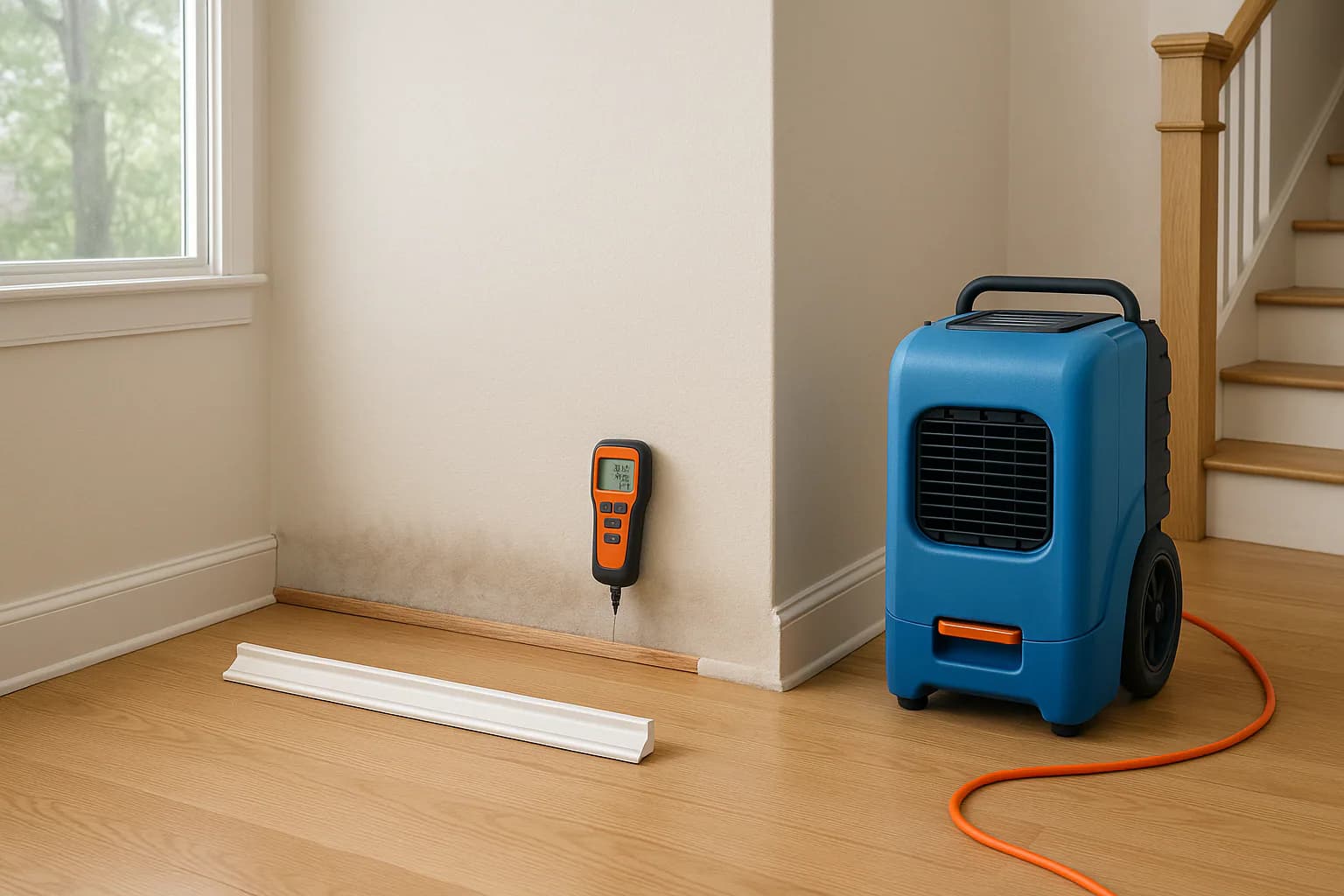
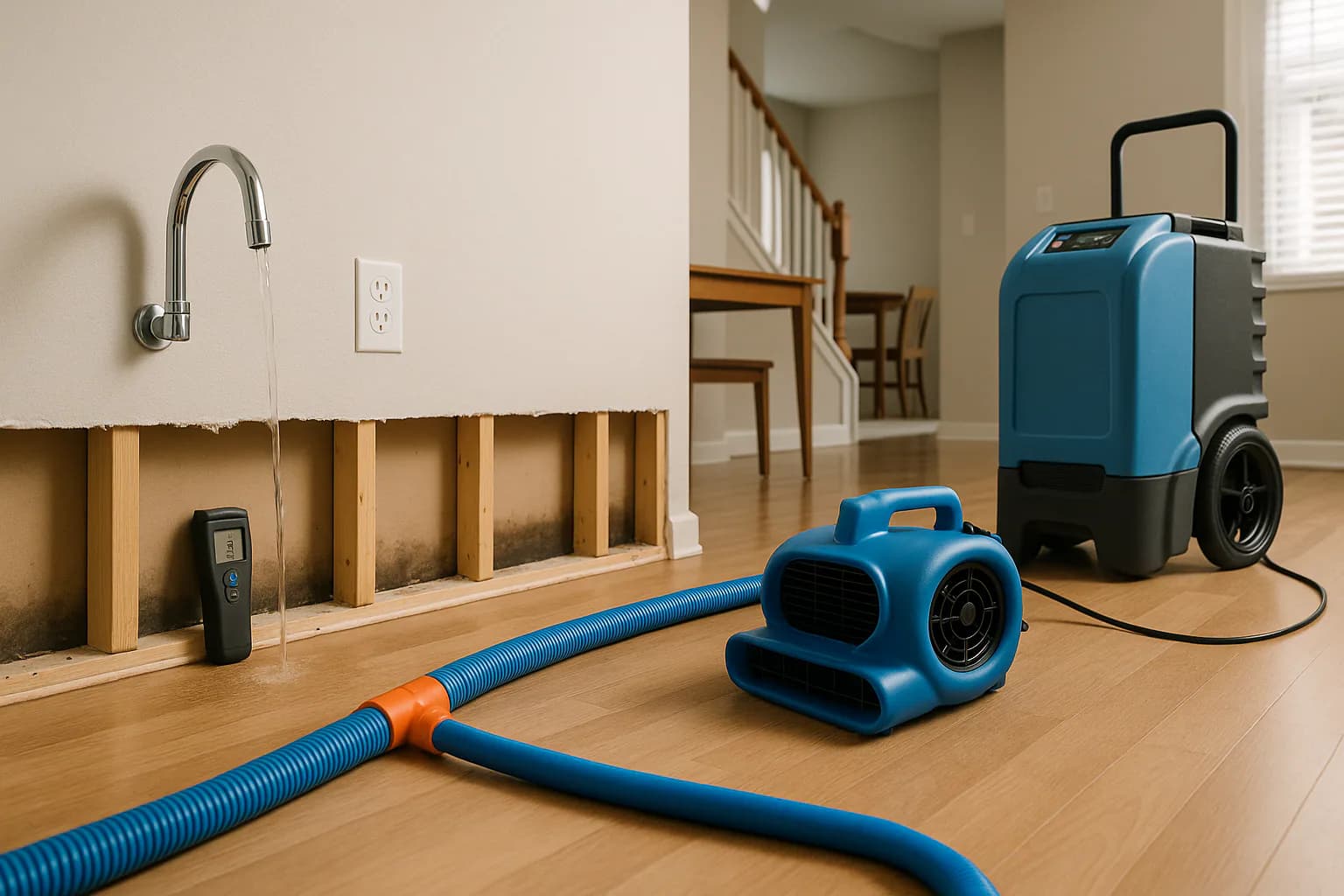
If the leak is minor and the affected area is small, some homeowners may attempt to dry the space themselves using fans and dehumidifiers. However, fans or air movement should not be used if there is visible or suspected mold, or if the water is contaminated (such as sewage or floodwater), as this can spread contaminants. If water has reached hidden cavities, insulation, or comes from contaminated sources, an on-site assessment and specialized drying may be necessary to reduce the conditions that allow mold to grow.
How Professionals Trace the Source and Assess the Damage
Restoration professionals use experience, visual inspection, and moisture detection tools to identify the source and extent of ceiling water damage. They may begin by asking about recent storms, plumbing issues, or changes in water usage. The inspection can include checking above the ceiling, in attics, or behind walls if needed.
Thermal imaging cameras can identify cool spots that might indicate damp areas, but these are clues and not proof of water intrusion. Moisture meters and other instruments are used to confirm whether and how much water is present. Additional considerations include the age of the building, ceiling material type, and whether insulation or electrical systems are affected.
On-site assessment is important when water has traveled through multiple levels, might be contaminated (such as sewage or floodwater), or continues despite apparent repairs. Restoration professionals can recommend whether drying, partial removal, or more extensive restoration is appropriate based on their findings.
Common Mistakes and When to Call for Help
Some homeowners attempt to cover ceiling stains with paint or spackle before resolving the source. This can trap moisture and lead to further damage. Others may ignore minor discoloration, risking more extensive problems later. It's also easy to underestimate how far water has spread beyond the visible stain, especially with hidden plumbing or slow roof leaks.
Professional help is advised when the source is unclear, water is contaminated, or the affected area is large or persistent. Restoration professionals can handle damaged materials, identify the full extent of moisture, and use drying equipment to reduce the conditions that allow mold to grow. Their assessment is especially important if the ceiling is bulging, structurally compromised, or presents a safety concern.
Insurance coverage for ceiling water damage depends on the cause and the specific details of the property owner's policy. Sudden or accidental leaks may be treated differently from gradual problems. Documenting the damage, source, and actions taken can be helpful when discussing a claim with an insurance provider.
Preventing Future Ceiling Water Damage
Prevention begins with regular inspection and maintenance. Check plumbing connections, appliance hoses, and attic HVAC systems for leaks or condensation. Inspect roofing after significant storms, and keep gutters and downspouts clear to direct water away from the structure. Monitoring for irregular water use or unexpected increases in utility bills can also alert property owners to hidden leaks, in line with EPA WaterSense guidance.
Consider installing leak detection systems or moisture alarms in vulnerable areas, especially if plumbing or appliances are above finished ceilings. Timely repairs and prompt attention to small leaks can help avoid more disruptive issues later. Restoration professionals can offer guidance on prevention strategies suited to local building types and climate.
Seeing Stains on Your Ceiling?
Don't wait for the damage to spread. Call Water Restoration Pros to get connected with restoration professionals that service your area and can help locate the source and dry your home.
Call (833) 968-0848Frequently asked questions
How can I tell if ceiling water damage is from the roof or a pipe?
Is a small ceiling stain still worth addressing?
Should I cut into my ceiling to find the leak?
Sources reviewed (3)
- U.S. EPA WaterSense - Leak Detection and Flow Monitoring Devices: EPA guidance on identifying unexpected moisture, irregular water use, and household leaks.
- U.S. EPA - A Brief Guide to Mold, Moisture and Your Home: EPA guidance on moisture control, prompt drying, indoor humidity, and mold cleanup decisions.
- U.S. EPA - Mold Course Chapter 2: EPA guidance to dry wet building materials within about 24 to 48 hours when possible.