A clear service answer
Is burst pipe cleanup the right service for this loss?
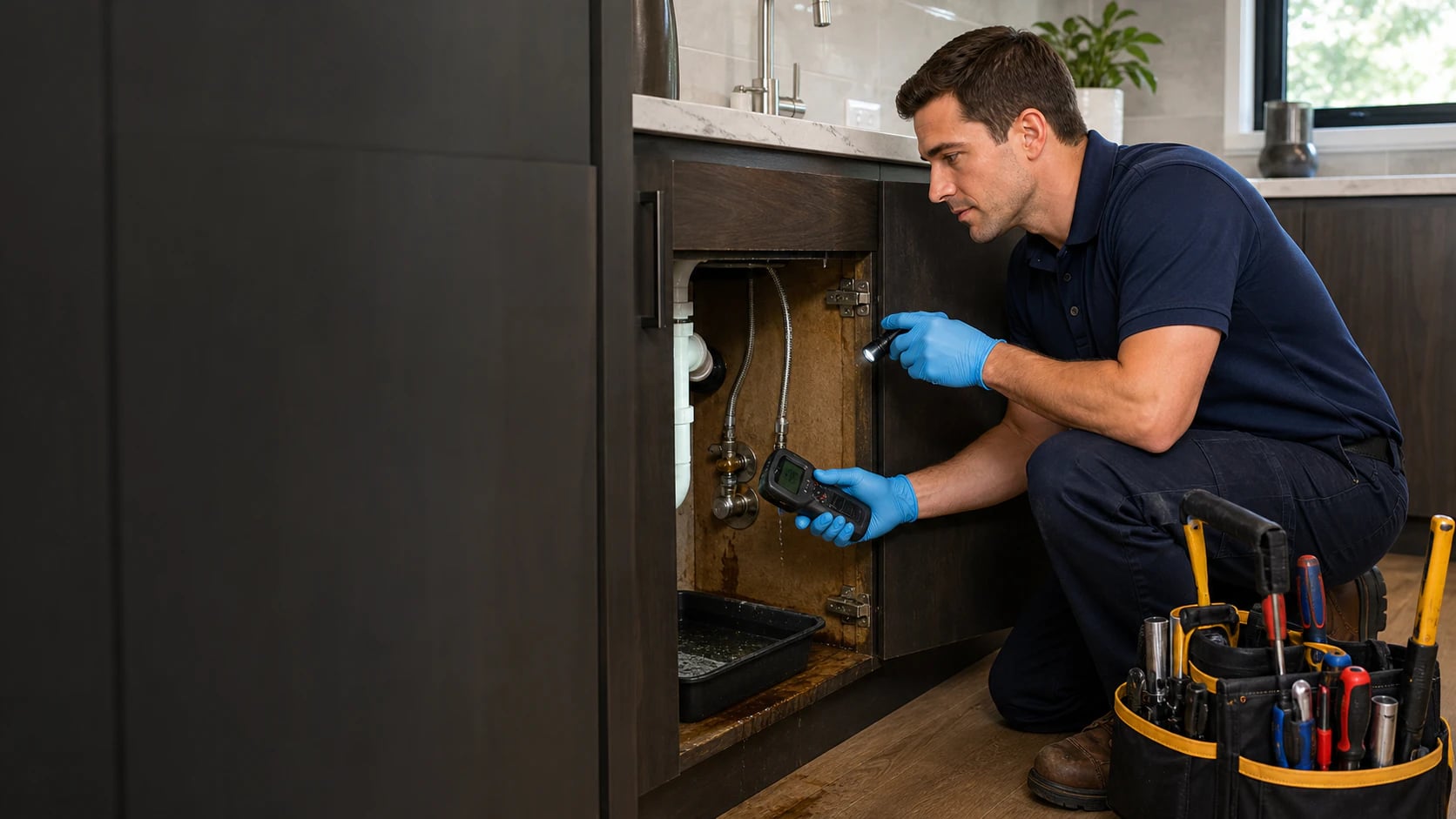
Burst pipe cleanup help that removes the water, dries soaked materials, and limits how far the damage spreads.
The central service decision
Source repair, cleanup, and drying
Has a sudden plumbing release been stopped, and how far did clean supply water travel before extraction and drying began?
- Review
- pipe isolation and repair responsibility
- Review
- water path through finishes and cavities
- Review
- dry-in-place versus removal decisions
When it may fit
A pipe burst and released water into the property. Floors, walls, or ceilings are wet from a plumbing leak. Water is spreading from the leak point into other rooms. Drywall is soft, stained, or bubbling after a pipe failure.
How the problem may start
Frozen pipes that crack and burst when they thaw. Aging, corroded, or weak plumbing connections. Excess water pressure and water hammer. Failed supply lines to appliances and fixtures.
Service context in Miramar
Local conditions that can affect the plan
Local planning context
What can shape the assessment in Miramar
Miramar is a long, narrow city that runs east-to-west across southern Broward County, from older established blocks near the Miami-Dade line out to newer master-planned communities at the edge of the Everglades. The tropical-leaning climate brings a long, heavy rainy season, and the western end is laced with man-made lakes and canals. Flat terrain and a high water table define how the land drains.
Property and material context
The east end has older midcentury homes while the west end is newer master-planned single-family and gated communities on lakes and canals
Property and material context
Concrete-block construction on slabs is standard throughout with no basements, so water spreads across ground-floor living space
Access and drying consideration
Humid conditions slow evaporation, so dehumidification and moisture monitoring help homes dry thoroughly
Access and drying consideration
Widespread rain events can affect many properties along the city at once, so reaching out early helps you get connected sooner
Access and drying consideration
Canal and stormwater flooding can be contaminated and needs careful, professional handling
Verified service geography
The Census Gazetteer identifies Miramar city as the matched service geography. Property conditions and service scope still require an on-site assessment.
Professional service plan
How burst pipe cleanup work moves forward
Assess and contain
Stop the water
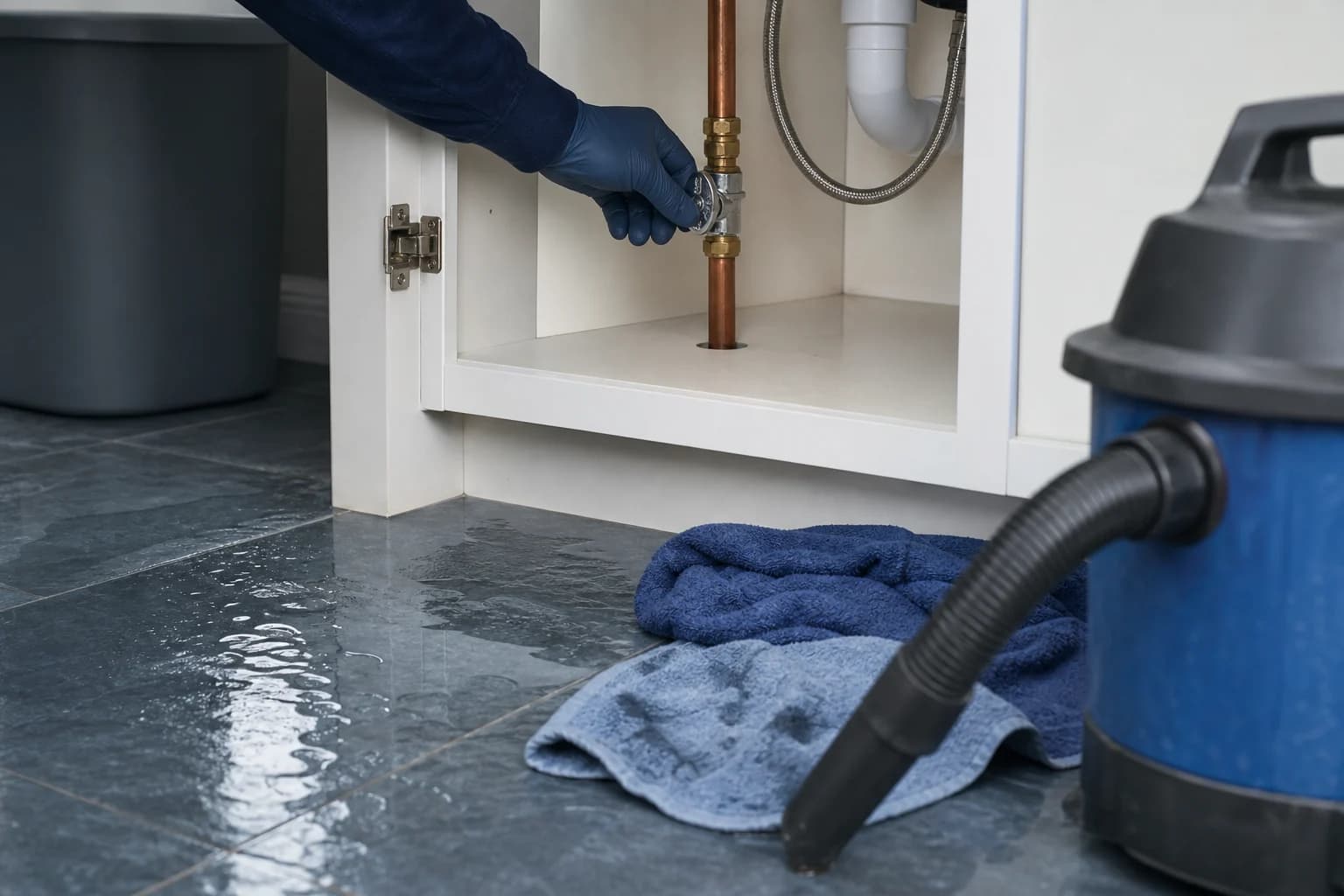
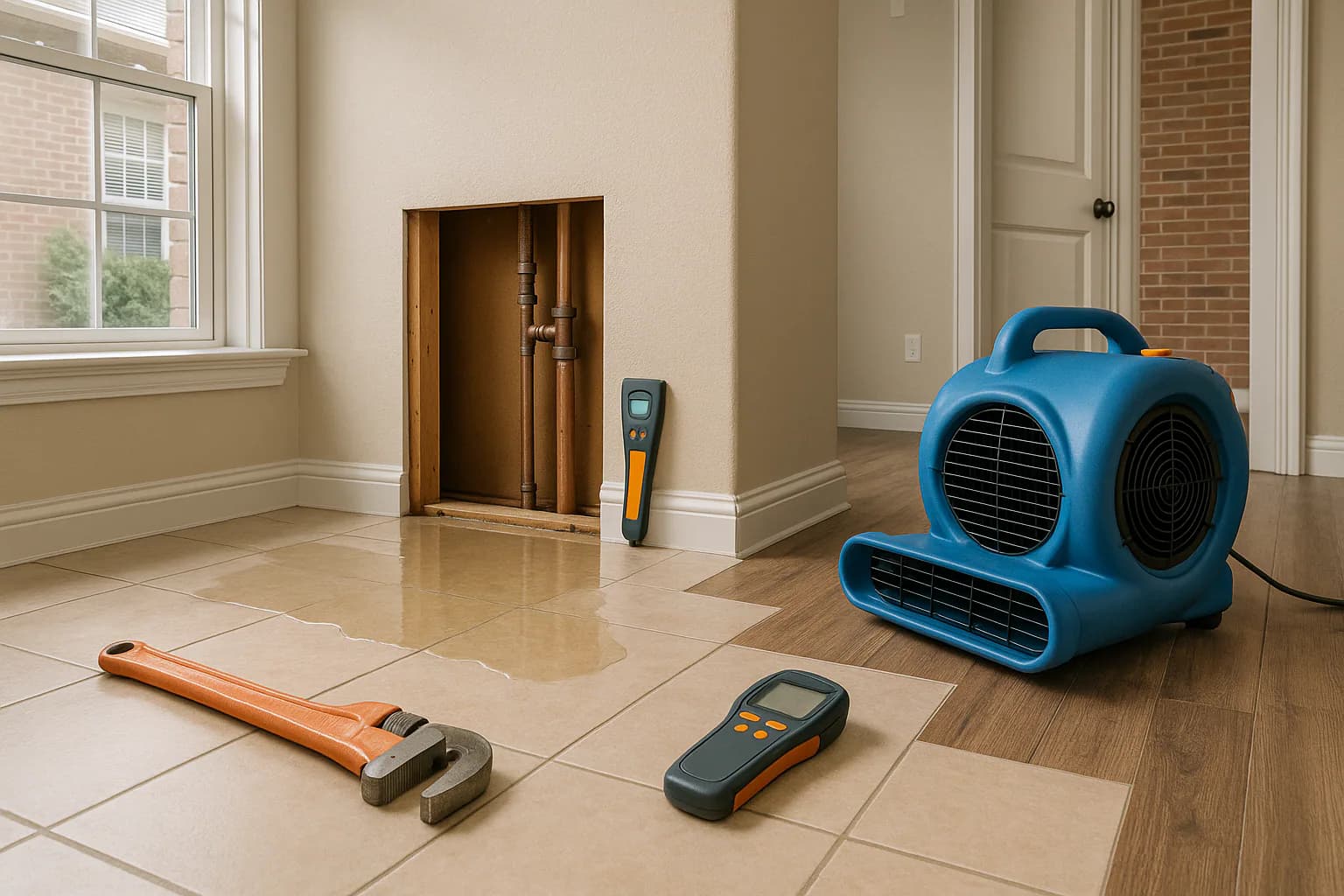
Confirm the main supply is off and the burst pipe is no longer releasing water.
Trace the spread
Find how far water traveled along floors, into walls, and down to lower levels.
Remove and dry
Extract the water
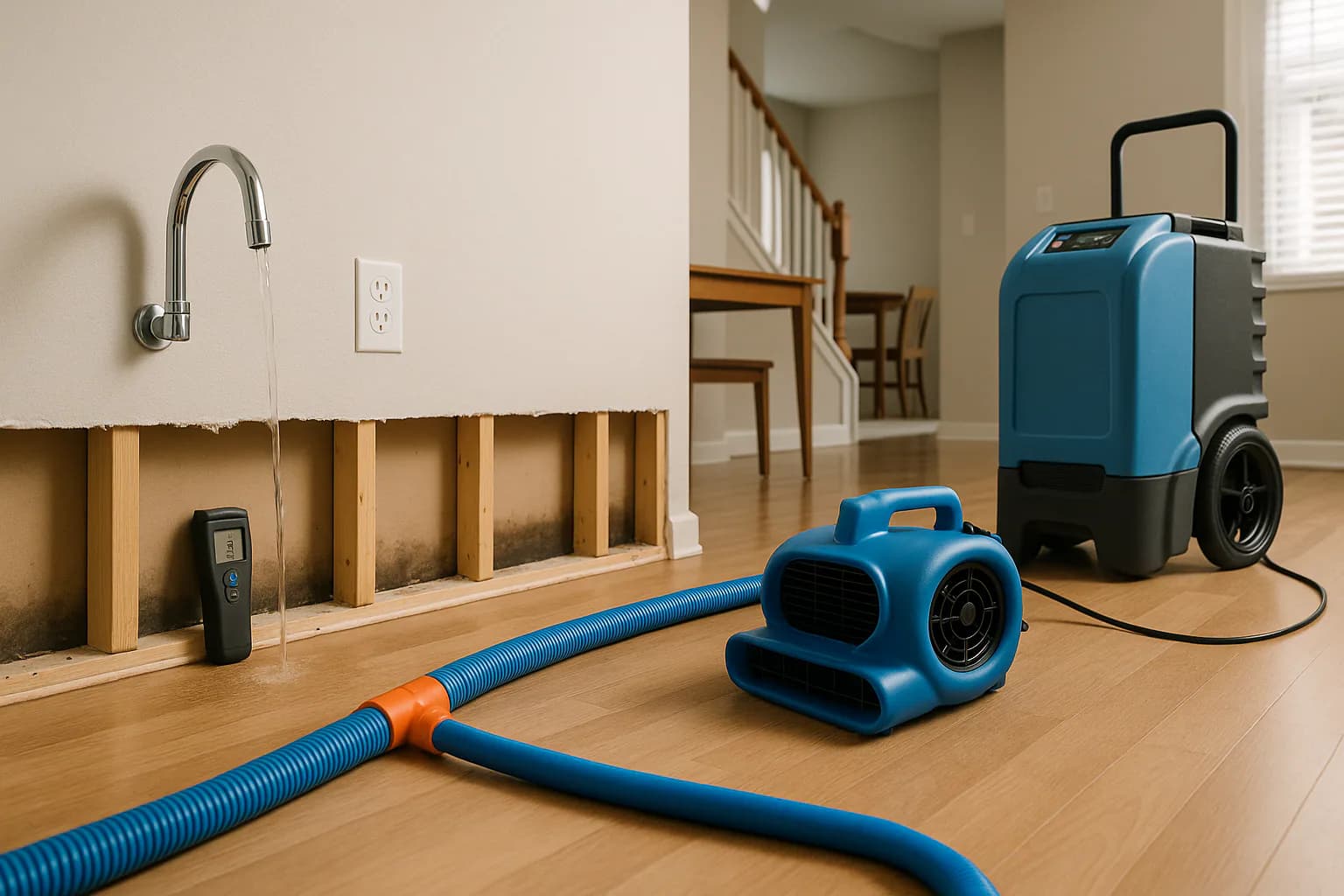
Remove standing water and pull moisture out of soaked carpet and flooring.
Open and dry
Remove or open wet drywall where needed and set air movers and dehumidifiers.
Verify and recover
Monitor and finish
Track moisture until materials are dry, then plan repairs to walls, floors, and trim.
Scope and outcome
What changes the amount of work
How long the water ran before it was shut off. Whether the pipe is exposed or hidden in a wall or ceiling. How much material the water soaked and how dense it is. How much drying equipment and how many days are needed.
How much repair and reconstruction follows the cleanup. A pipe caught within minutes causes far less damage than one that ran for hours while no one was home. More time means more water and more material affected. An exposed pipe that sprayed into an open room is more accessible than an in-wall or ceiling pipe, where water travels through cavities and is harder to reach and dry. Drying salvageable drywall and framing is one thing; removing and replacing saturated flooring, insulation, or cabinets is another, and dense materials take longer to dry.
Cost and scope
What affects burst pipe cleanup cost in Miramar
Burst pipe cleanup cost is driven by how long the water ran, where the pipe sits, the materials it soaked, the drying required, and any repairs that follow. Understand the factors, then connect with a pro for an accurate assessment.
A written estimate should connect each charge to the source, affected materials, access, contamination conditions, drying work, and repairs found during the assessment.
National planning range for this location
Standard residential planning range
$1,100-$2,250 per project
Resolved from the approved Water Restoration Pros pricing methodology and standardized scope.
National planning range used for this location until reviewed local economic inputs are available.
Cost ranges are estimates developed from standardized project scopes and reviewed pricing inputs. Government labor and regional cost data are used where applicable. See our Pricing Methodology for the exact sources, calculations, and review date. Actual prices vary by property, scope, materials or equipment, location, and provider.
How long the water ran
A pipe caught within minutes causes far less damage than one that ran for hours while no one was home. More time means more water and more material affected.
Where the pipe is
An exposed pipe that sprayed into an open room is more accessible than an in-wall or ceiling pipe, where water travels through cavities and is harder to reach and dry.
Materials soaked
Drying salvageable drywall and framing is one thing; removing and replacing saturated flooring, insulation, or cabinets is another, and dense materials take longer to dry.
Drying required
The number of air movers and dehumidifiers and how many days of monitoring are needed all factor in, especially when water sits inside walls or ceilings.
What happens next
What to expect from the first visit
Stop the water
Confirm the main supply is off and the burst pipe is no longer releasing water.
Trace the spread
Find how far water traveled along floors, into walls, and down to lower levels.
Extract the water
Remove standing water and pull moisture out of soaked carpet and flooring.
Open and dry
Remove or open wet drywall where needed and set air movers and dehumidifiers.
Before approving the scope
Questions that make a proposal easier to compare
How will the assessment document pipe isolation and repair responsibility?
The answer should be specific to the property and reflected in the written scope.
Which conditions determine whether burst pipe cleanup is the right service path?
The answer should be specific to the property and reflected in the written scope.
What work, specialist responsibilities, measurements, and completion records will be included in writing?
The answer should be specific to the property and reflected in the written scope.
Documentation
Keep the property record organized
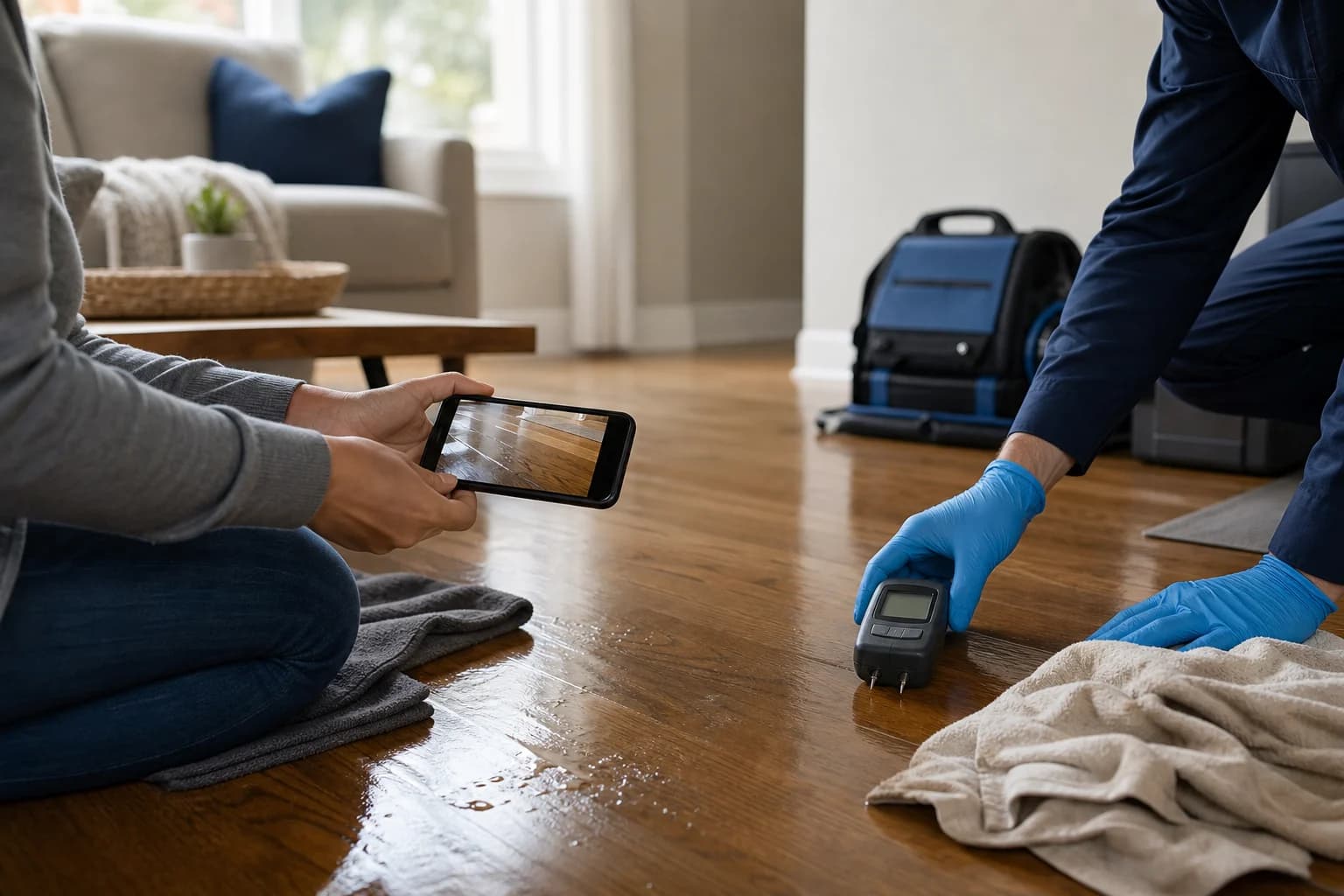
Coverage depends on the water source, policy language, exclusions, endorsements, limits, deductible, and claim facts. When conditions are safe, document the apparent source, affected rooms, visible damage, and reasonable steps taken to limit additional loss. Review the policy and follow the insurer's claim instructions.
This is general information, not insurance or legal advice.
Read the water damage insurance claim guideMore burst pipe cleanup in Florida
Questions property owners ask
Burst Pipe Cleanup in Miramar: FAQs
What can affect burst pipe cleanup in Miramar, FL?
What should a burst pipe cleanup assessment cover in Miramar, FL?
What should I do first when a pipe bursts?
Why does a burst pipe cause so much damage?
Can wet drywall be saved after a pipe burst?
Technical and safety sources (10)
These sources support restoration, safety, moisture, cleanup, local context, and scope guidance. They do not serve as numeric pricing provenance.
- U.S. EPA - Flooded Home: EPA guidance on safety, cleanup, moisture control, and drying after a home is flooded.
- U.S. EPA - A Brief Guide to Mold, Moisture and Your Home: EPA guidance on moisture control, prompt drying, indoor humidity, and mold cleanup decisions.
- NAIC - Consumer Homeowners Insurance: NAIC consumer information on homeowners coverage, exclusions, inventories, and policy review.
- NAIC - What You Need to Know When Filing a Homeowners Claim: NAIC guidance on reporting a claim, documenting damage, deductibles, contractors, and adjuster meetings.
- FEMA National Risk Index: Counties: Supports the regional weather and water context used during location review.
- FEMA National Risk Index Technical Documentation: Explains the scope and limitations of the regional hazard information used during location review.
- U.S. Census Bureau Gazetteer Files: Census reference for official place geography and Gazetteer datasets.
- CDC - Reentering Your Flooded Home Safely: CDC guidance on electrical hazards, standing water, ventilation, cleanup, and reentry after flooding.
- U.S. EPA - Mold Course Chapter 2: EPA guidance on responding promptly to wet building materials and evaluating moisture conditions.
- FloodSmart.gov - National Flood Insurance Program: Federal consumer information about flood insurance and the distinction between flood and homeowners coverage.