When water damage impacts a home or business, two terms often arise: water mitigation and water damage restoration. Although closely related and sometimes managed by the same professionals, these processes serve different purposes in recovery. Understanding their differences helps property owners make informed choices and know what to expect after events like leaks, floods, or overflows.
Water mitigation is the immediate, protective response that aims to limit further harm and stabilize affected areas. Water damage restoration follows, focusing on repairing and rebuilding what was damaged. Each step involves different actions, considerations, and timing. This guide clarifies what happens during each stage, why the sequence matters, and how independent professionals assess and manage the process.
Understanding Water Mitigation
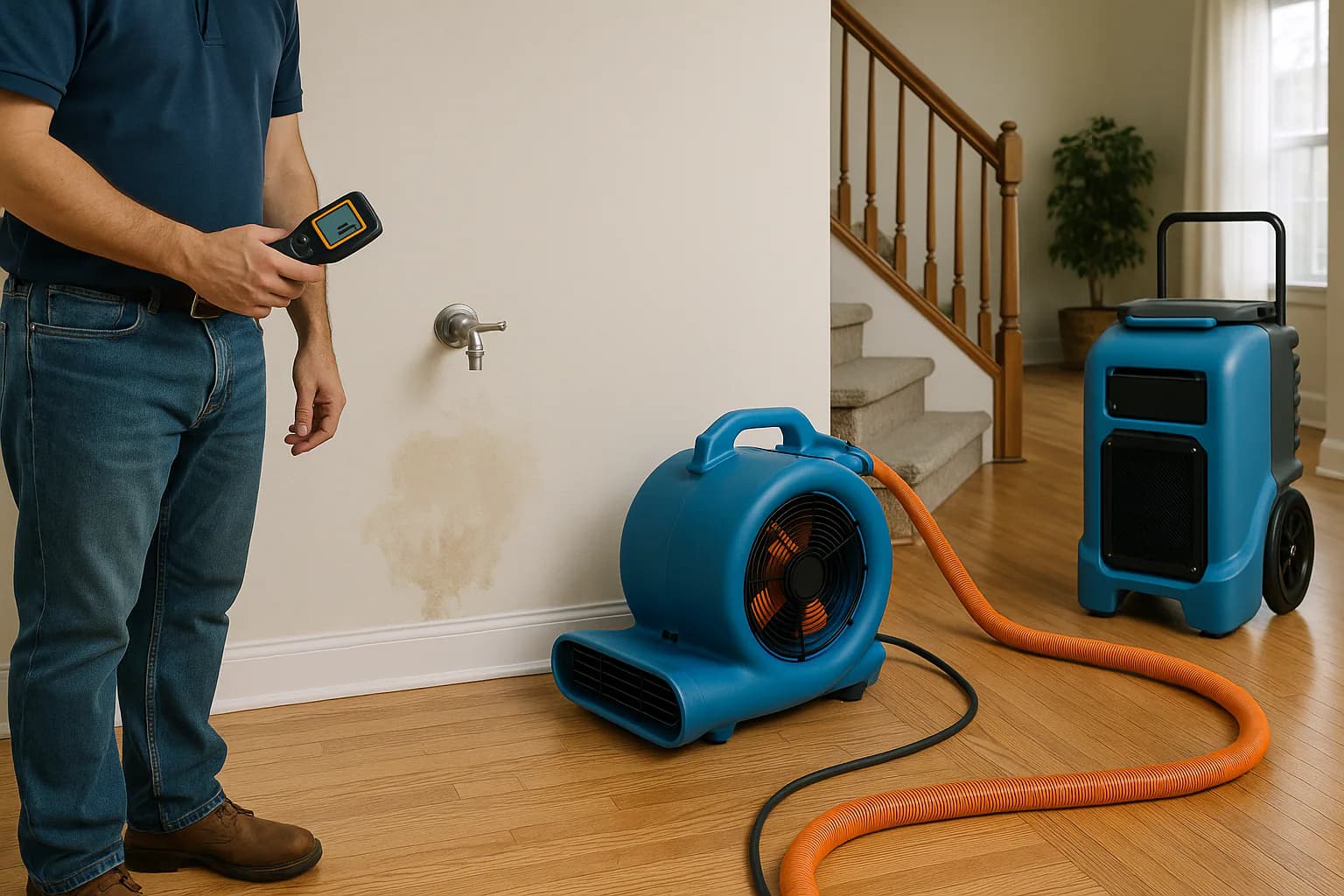
Water mitigation is the urgent first step after a water intrusion. The primary goal is to prevent the situation from worsening and stabilize affected areas. This can include stopping the water source if it is safe to do so, removing standing water, and protecting undamaged belongings. In situations where the water is clean and minor, air movement may be used to begin drying. However, when water is contaminated, suspected to be contaminated, or when visible or suspected mold is present, fans and air movement are not recommended, as this may spread contaminants. Professionals in this phase focus on limiting structural damage and reducing the conditions that could allow additional problems, such as lingering moisture.
The mitigation process varies greatly depending on the amount and type of water, the area affected, and the materials involved. For small leaks, mitigation might involve extracting water from carpets and ventilating the area. For larger incidents like basement flooding or burst pipes, mitigation may require moving furniture, removing damaged drywall or insulation, and using specialized drying equipment. The specific approach depends on the water’s source, how far it has traveled, and which building materials are impacted.
What Water Damage Restoration Involves
Once the property is stabilized and excess moisture is addressed, water damage restoration begins. Restoration is the process of returning the property as closely as possible to its pre-damage condition. This may include repairing or replacing damaged building materials, addressing cosmetic issues, and returning spaces to functionality. Restoration tasks can range from patching drywall and painting to more extensive repairs, depending on the severity of the initial damage.
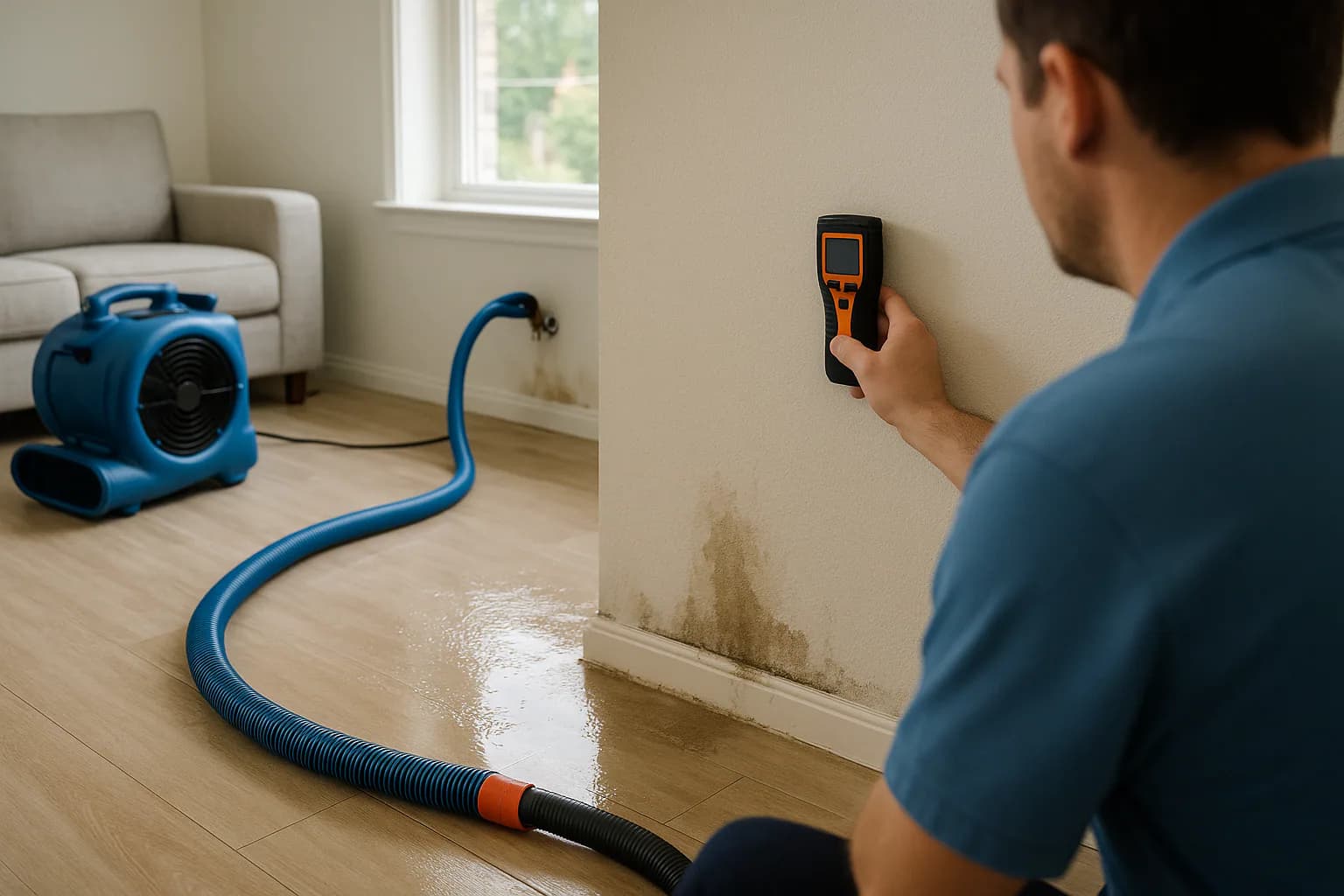
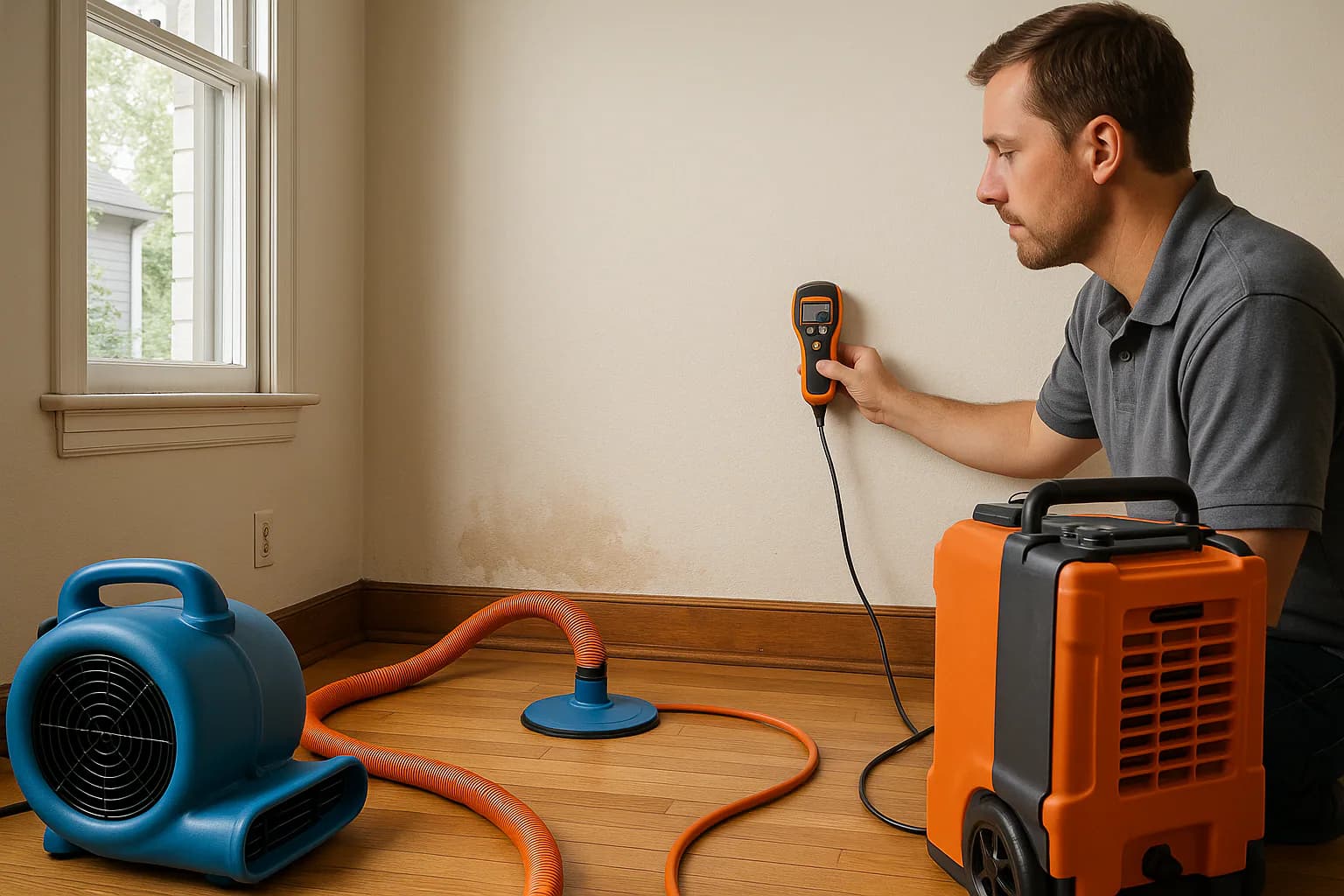
Restoration may also involve cleaning and sanitizing affected areas, especially if water was contaminated. Professionals may recommend replacing materials that cannot be thoroughly dried or cleaned, such as some flooring, cabinetry, or trim. Restoration work should only begin after thorough moisture checks—using moisture meters or similar tools—confirm that hidden dampness is not present behind walls or under flooring. This approach aligns with EPA guidance, which recommends prompt and thorough drying to reduce the conditions that allow mold to grow (see U. S. EPA - Mold Course Chapter 2).
Mitigation Must Happen Before Restoration
Attempting repairs before the structure is confirmed dry may result in ongoing damage or the need to redo work. Restoration professionals typically use moisture meters and visual inspections to confirm materials are ready for repairs.
How Professionals Assess Water Damage
A thorough assessment is vital in both mitigation and restoration. On-site professionals inspect visible water, check surfaces for moisture, and look for signs that suggest hidden damage. Stains, peeling paint, or persistent odors can indicate that water has traveled beyond what is visible, but these are clues rather than proof. Some professionals use thermal imaging cameras to screen for suspicious temperature patterns, which may point to wet insulation or wall cavities. However, these findings require confirmation with appropriate moisture measurements or direct inspection.
Assessment also involves evaluating the source and category of the water. The approach for clean water from a pipe is different than for contaminated water from a sewer backup or flooding. The decision to remove or salvage materials depends on contamination, material type, duration of exposure, and on-site conditions. Materials like insulation or particle board, which cannot be thoroughly cleaned or dried in some situations, may need to be removed. Careful inspection helps determine what can be restored and what must be replaced.
Deciding When to Call a Professional
Not all water incidents require professional intervention. Small spills or leaks on non-porous surfaces can often be managed by property owners if addressed promptly and if there is no sign of contamination. However, when water spreads into wall cavities or subfloors, or when contaminated (such as from outside flooding or sewage backups), an on-site professional assessment is strongly advised. Independent restoration professionals have equipment to detect hidden moisture, remove contaminated materials safely, and set up drying systems that can address areas beneath floors or behind walls.
Persistent dampness, musty odors, or stains that reappear after cleaning can signal unresolved moisture issues that require further investigation. Restoration professionals can help determine if additional drying or repairs are needed and can take steps that reduce the conditions favorable for mold growth. The EPA recommends prompt and thorough drying to help limit further damage (see U. S. EPA - Mold Course Chapter 2).
Common Mistakes and How to Avoid Them
A frequent mistake is underestimating the extent of water damage, especially when moisture is hidden behind walls, under flooring, or within insulation. Drying only surface areas or skipping thorough moisture checks can leave water trapped, leading to ongoing problems. Starting repairs before confirming full dryness can result in repairs that later fail or need to be repeated.
Household fans or dehumidifiers may assist with minor, clean water incidents, but are not adequate for larger or hidden issues. When dealing with contaminated water—such as sewage or floodwater—special care is needed. Moving air in these situations can spread contaminants, and porous materials that cannot be thoroughly cleaned and dried often need to be removed for safety. The EPA recommends safe removal and disposal of such materials where proper cleaning is not possible (see U. S. EPA - Flooded Home).
- Stop the water source if it is safe to do so and there is no risk of electrical hazard.
- Remove standing water quickly, avoiding areas where electricity and water may be in contact.
- Move undamaged belongings to a safe, dry area.
- Use fans and dehumidifiers for minor drying needs only when water is clean and no mold is suspected.
- Contact a professional if water has entered walls, is contaminated, or covers a large area.
- Always confirm with moisture tools that materials are thoroughly dry before rebuilding.
How Mitigation and Restoration Overlap
Mitigation and restoration are distinct phases, but some actions overlap. For example, removing damaged drywall limits further damage (mitigation) and also prepares the area for rebuilding (restoration). Cleaning and treating areas exposed to contaminated water may begin during mitigation and continue into restoration. The most important principle is to follow a logical progression: first protect and dry the structure, then repair and restore as appropriate.
The independent professionals that Water Restoration Pros connects property owners with may provide both mitigation and restoration services or specialize in one. When reaching out, it is important to ask which services are available. Having a clear plan and understanding the process helps ensure that steps are not missed and that property recovery proceeds as thoroughly as possible.
Related Services
Wherever You Are in the Process
Whether urgent drying or repairs are needed, the right pro can address it. Call Water Restoration Pros to get connected with independent restoration professionals in your area who handle mitigation, restoration, or both.
Call (833) 968-0848Frequently asked questions
What is the main difference between water mitigation and water damage restoration?
How do professionals check for hidden water damage?
When should a property owner call a water damage professional?
Sources reviewed (2)
- U.S. EPA - Mold Course Chapter 2: EPA guidance on drying buildings, furnishings, carpet, wall cavities, and other wet materials.
- U.S. EPA - Flooded Home: EPA guidance on safety, cleanup, moisture control, and drying after a home is flooded.