

A clear service answer
Is storm water damage the right service for this loss?
Storm water damage restoration help that addresses intrusion from roof leaks, wind-driven rain, and storm flooding.
The central service decision
Weather entry and interior recovery
Did wind, rain, roof damage, or exterior drainage allow water inside, and which trade must stop entry before interior restoration proceeds?
- Review
- roof or envelope opening
- Review
- outdoor-water contamination and spread
- Review
- temporary protection, drying, and repair ownership
When it may fit
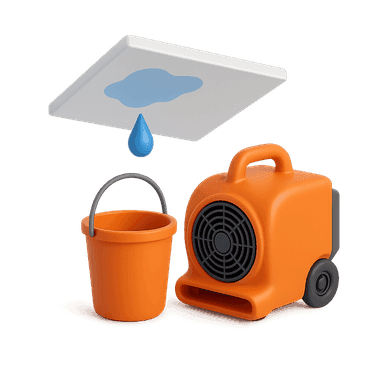
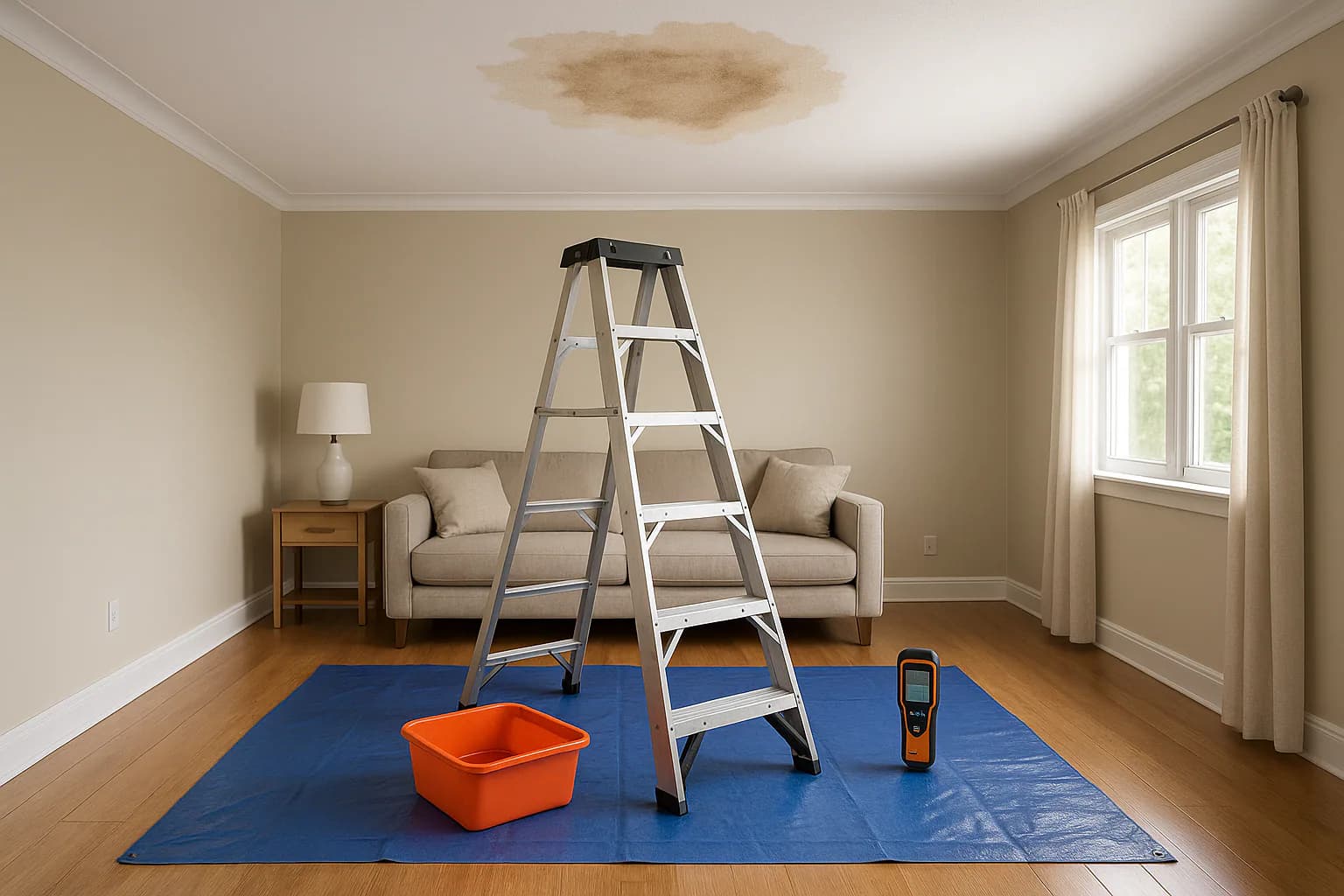
A storm caused a roof leak or water intrusion. Wind-driven rain pushed water in around windows or walls. Storm flooding or runoff entered the property. Ceilings, walls, or floors are wet after severe weather.
How the problem may start
Roof damage and leaks during storms. Wind-driven rain forced past windows, doors, and siding. Storm flooding and overwhelmed drainage. Fallen debris that breaches the building envelope.
Service context in Chula Vista
Local conditions that can affect the plan
Local planning context
What can shape the assessment in Chula Vista
Chula Vista's water risk is concentrated in its low-lying western flats and along the Otay River corridor, where winter storms and atmospheric rivers can overwhelm storm drains and back water into older neighborhoods near the bayfront. The eastern mesas and graded hillside tracts shed fast runoff that collects in the Otay valley, a basin with a deadly history dating to the 1916 Lower Otay Dam collapse. Aging plumbing in mid-century west-side homes adds sudden supply-line and sewer failures to the storm-driven exposure.
Hurricanes context
FEMA's county-level National Risk Index records hurricanes as very low for San Diego. This is regional context, not a finding about a specific address.
Strong wind context
FEMA's county-level National Risk Index records strong wind as relatively moderate for San Diego. This is regional context, not a finding about a specific address.
Climate context in Chula Vista
Chula Vista sits in San Diego County's South Bay between San Diego and the Mexican border, with a mild, semi-arid Mediterranean climate of warm, dry summers and cool winters that hold nearly all of the roughly ten inches of annual rain. The land rises eastward from San Diego Bay across a coastal mesa toward the Otay River valley and the foothills of the master-planned east side. Most rainfall arrives in a handful of concentrated winter storms rather than steady wet weather.
Verified service geography
The Census Gazetteer identifies Chula Vista city as the matched service geography. Property conditions and service scope still require an on-site assessment.
Inland flooding context
FEMA's county-level National Risk Index records inland flooding as very high for San Diego. This is regional context, not a finding about a specific address.
Local water-loss scenario
Otay River valley runoff that pools toward Otay Ranch and southern neighborhoods after heavy rain
Local water-loss scenario
Roof and window intrusion when concentrated rain follows long dry stretches on weathered older roofs
Tornadoes context
FEMA's county-level National Risk Index records tornadoes as relatively low for San Diego. This is regional context, not a finding about a specific address.
Local water-loss scenario
Slab leaks and underground pipe breaks in the slab-on-grade tract housing that dominates the city
Professional service plan
How storm water damage work moves forward
Assess and contain
Assess the intrusion
Identify where storm water entered and how far it spread through the structure.
Temporary protection
Where appropriate, help limit further intrusion while restoration is arranged.
Remove and dry
Extract and remove
Remove standing water and take out saturated materials that cannot be saved.
Dry the structure
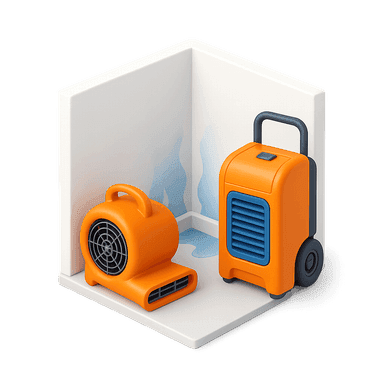
Set air movers and dehumidifiers and monitor moisture in affected materials.
Verify and recover
Plan repairs
Outline the repairs needed for the building envelope and interior finishes.
Scope and outcome
What changes the amount of work
Storm water can enter from several directions at once. Roof-leak water travels through ceilings and into walls.
Wet insulation and drywall lose effectiveness and strength. Fast response limits secondary damage and mold conditions.
What happens next
What to expect from the first visit
Assess the intrusion
Identify where storm water entered and how far it spread through the structure.
Temporary protection
Where appropriate, help limit further intrusion while restoration is arranged.
Extract and remove
Remove standing water and take out saturated materials that cannot be saved.
Dry the structure
Set air movers and dehumidifiers and monitor moisture in affected materials.
Before approving the scope
Questions that make a proposal easier to compare
How will the assessment document roof or envelope opening?
The answer should be specific to the property and reflected in the written scope.
Which conditions determine whether storm water damage is the right service path?
The answer should be specific to the property and reflected in the written scope.
What work, specialist responsibilities, measurements, and completion records will be included in writing?
The answer should be specific to the property and reflected in the written scope.
Documentation
Keep the property record organized
Coverage depends on the water source, policy language, exclusions, endorsements, limits, deductible, and claim facts. When conditions are safe, document the apparent source, affected rooms, visible damage, and reasonable steps taken to limit additional loss. Review the policy and follow the insurer's claim instructions.
This is general information, not insurance or legal advice.
Read the water damage insurance claim guideMore storm water damage in California
Questions property owners ask
Storm Water Damage in Chula Vista: FAQs
What can affect storm water damage in Chula Vista, CA?
What should a storm water damage assessment cover in Chula Vista, CA?
What counts as storm water damage?
What should I do right after storm water gets in?
Does my insurance cover storm water damage?
Technical and safety sources (12)
These sources support restoration, safety, moisture, cleanup, local context, and scope guidance. They do not serve as numeric pricing provenance.
- U.S. EPA - Flooded Home: EPA guidance on safety, cleanup, moisture control, and drying after a home is flooded.
- CDC - Reentering Your Flooded Home Safely: CDC guidance on electrical hazards, standing water, ventilation, cleanup, and reentry after flooding.
- FloodSmart.gov - National Flood Insurance Program: Federal consumer information about flood insurance and the distinction between flood and homeowners coverage.
- NAIC - Consumer Homeowners Insurance: NAIC consumer information on homeowners coverage, exclusions, inventories, and policy review.
- NAIC - What You Need to Know When Filing a Homeowners Claim: NAIC guidance on reporting a claim, documenting damage, deductibles, contractors, and adjuster meetings.
- FEMA National Risk Index: Counties: FEMA county-level hazard ratings used for conservative regional context.
- FEMA National Risk Index Technical Documentation: FEMA documentation for National Risk Index measures, scoring, and limitations.
- U.S. Census Bureau Gazetteer Files: Census reference for official place geography and Gazetteer datasets.
- CDC - Guidelines for Cleaning Safely After a Disaster: CDC safety guidance for floodwater, sewage, protective equipment, and contaminated materials.
- CDC - Septic and Onsite Wastewater Systems After Flooding: CDC guidance on sewage exposure, wastewater overflows, and precautions after flooding.
- FEMA - Ensure You Get the Required Permits: FEMA guidance to verify required local permits before repair and reconstruction in flood-hazard areas.
- U.S. Small Business Administration - Apply for licenses and permits: Federal guidance explaining that licensing and permit requirements vary by activity, location, and government rules.