
A clear service answer
Is sewage backup cleanup the right service for this loss?
Sewage backup cleanup help that removes contaminated water, handles affected materials safely, and sanitizes and dries the area.
The central service decision
Contain, remove, clean, and verify
Could the water contain sewage or wastewater that requires controlled access, removal, cleaning, and material disposal?
- Review
- wastewater source and affected boundary
- Review
- porous versus cleanable materials
- Review
- sanitation, drying, and disposal records
When it may fit
A drain, toilet, or sewer line backed up into the property. Contaminated water reached floors, walls, or belongings. There is a strong sewage odor and visible contamination. A lower-level drain overflowed during heavy use or heavy rain.
How the problem may start
Clogged or blocked sewer and drain lines. Tree roots intruding into sewer pipes. Municipal sewer surcharge during heavy rain. Toilet and floor drain overflows.
Service context in Springfield
Local conditions that can affect the plan
Local planning context
What can shape the assessment in Springfield
Buck Creek runs through the center of Springfield and the Mad River forms its western boundary, both with wide floodplains that put creek- and river-adjacent neighborhoods at risk. Flash flooding recurs after intense rain, with a history of major floods including 1913 and 1959, while incomplete historic flood-control work leaves parts of the city exposed and aging homes face seepage and burst pipes.
Inland flooding context
FEMA's county-level National Risk Index records inland flooding as relatively moderate for Clark. This is regional context, not a finding about a specific address.
Hurricanes context
FEMA's county-level National Risk Index records hurricanes as very low for Clark. This is regional context, not a finding about a specific address.
Access and drying consideration
Floodwater and sewer backups are often contaminated and need professional handling
Property and material context
Springfield has rich Victorian and early-1900s housing in districts like South Fountain and along East High Street, plus mid-century and suburban areas such as Ridgewood and Northridge
Property and material context
Basements are the regional norm, so creek-adjacent and low-lying homes face seepage and flooding in heavy rain
Access and drying consideration
Creek and river flooding can affect many low-lying properties at once
Access and drying consideration
Older homes and full basements can require extended drying to control lingering moisture
Verified service geography
The Census Gazetteer identifies Springfield city as the matched service geography. Property conditions and service scope still require an on-site assessment.
Local water-loss scenario
Buck Creek flooding through the center of the city during heavy rain
Professional service plan
How sewage backup cleanup work moves forward
Assess and contain
Contain the area
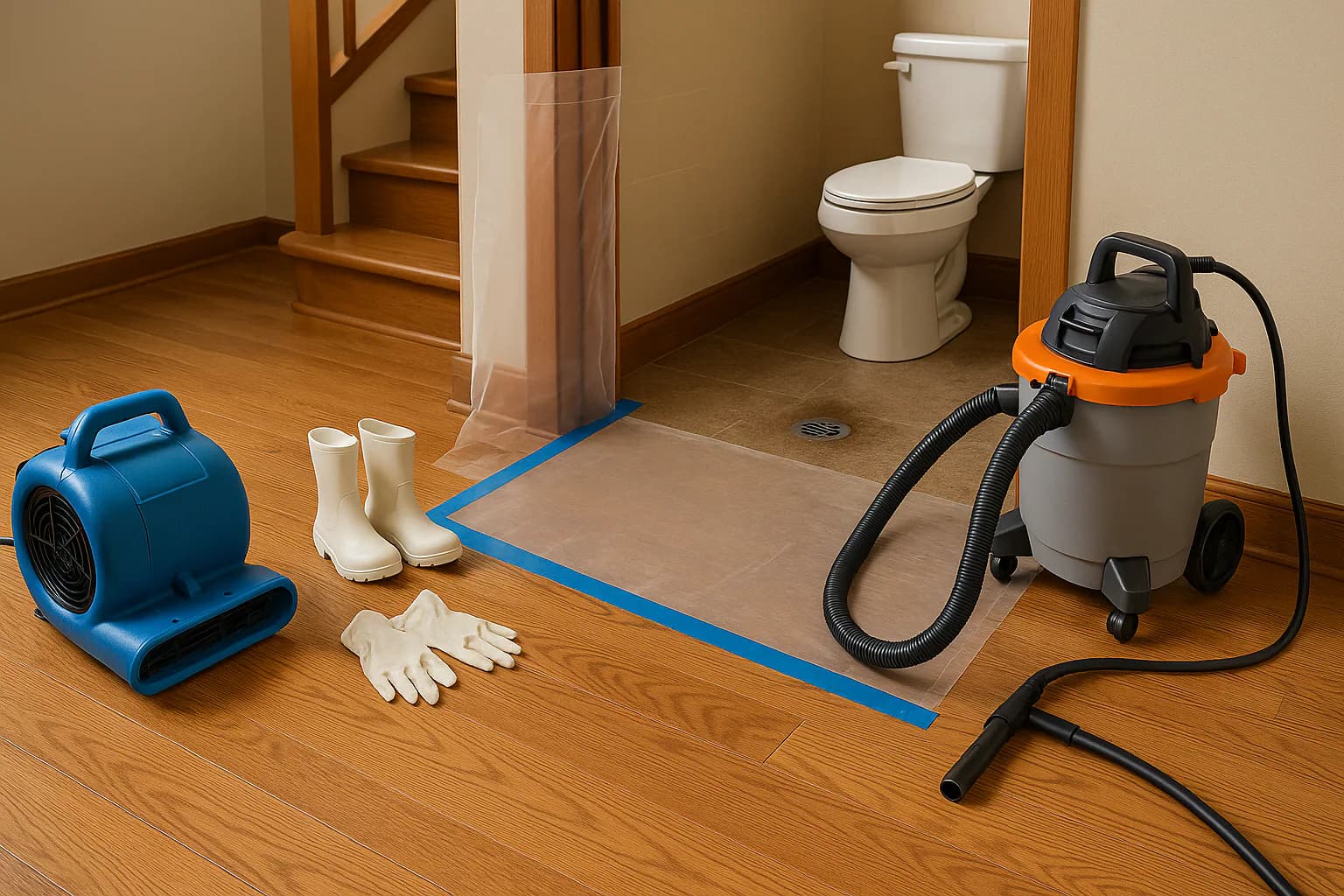
Isolate the contaminated area to keep people, pets, and clean spaces protected.
Remove contaminated water
Extract the standing contaminated water with the proper equipment and handling.
Remove and dry
Remove affected materials
Take out porous materials that absorbed contaminated water and cannot be safely cleaned.
Clean and sanitize
Clean and sanitize hard surfaces to address contamination from the backup.
Verify and recover
Dry and verify
Dry the area and confirm it is ready before any repairs or reconstruction.
Scope and outcome
What changes the amount of work
How far the contaminated water spread. How much porous material absorbed contamination and must be removed. The level of sanitation required for remaining surfaces. The drying needed after cleanup and sanitation.
How quickly the area could be contained and addressed. How far the contaminated water spread, and what it touched, drives the scope of safe removal and sanitation. Carpet, padding, drywall, and similar materials that absorbed contaminated water usually must be removed rather than cleaned. Hard surfaces that remain need thorough cleaning and sanitation, handled with proper equipment and protection.
Cost and scope
What affects sewage backup cleanup cost in Springfield
Sewage cleanup cost depends on how far the contamination spread, how much porous material must be removed, and the sanitation and drying required. Understand the factors, then connect with a professional for safe handling.
A written estimate should connect each charge to the source, affected materials, access, contamination conditions, drying work, and repairs found during the assessment.
National planning range for this location
Standard residential planning range
$3,150-$6,650 per project
Resolved from the approved Water Restoration Pros pricing methodology and standardized scope.
National planning range used for this location until reviewed local economic inputs are available.
Cost ranges are estimates developed from standardized project scopes and reviewed pricing inputs. Government labor and regional cost data are used where applicable. See our Pricing Methodology for the exact sources, calculations, and review date. Actual prices vary by property, scope, materials or equipment, location, and provider.
Extent of contamination
How far the contaminated water spread, and what it touched, drives the scope of safe removal and sanitation.
Porous materials affected
Carpet, padding, drywall, and similar materials that absorbed contaminated water usually must be removed rather than cleaned.
Sanitation requirements
Hard surfaces that remain need thorough cleaning and sanitation, handled with proper equipment and protection.
Drying after cleanup
Once contamination is removed and the area is sanitized, the space still needs to be dried before any repairs.
What happens next
What to expect from the first visit
Contain the area
Isolate the contaminated area to keep people, pets, and clean spaces protected.
Remove contaminated water
Extract the standing contaminated water with the proper equipment and handling.
Remove affected materials
Take out porous materials that absorbed contaminated water and cannot be safely cleaned.
Clean and sanitize
Clean and sanitize hard surfaces to address contamination from the backup.
Before approving the scope
Questions that make a proposal easier to compare
How will the assessment document wastewater source and affected boundary?
The answer should be specific to the property and reflected in the written scope.
Which conditions determine whether sewage backup cleanup is the right service path?
The answer should be specific to the property and reflected in the written scope.
What work, specialist responsibilities, measurements, and completion records will be included in writing?
The answer should be specific to the property and reflected in the written scope.
Documentation
Keep the property record organized
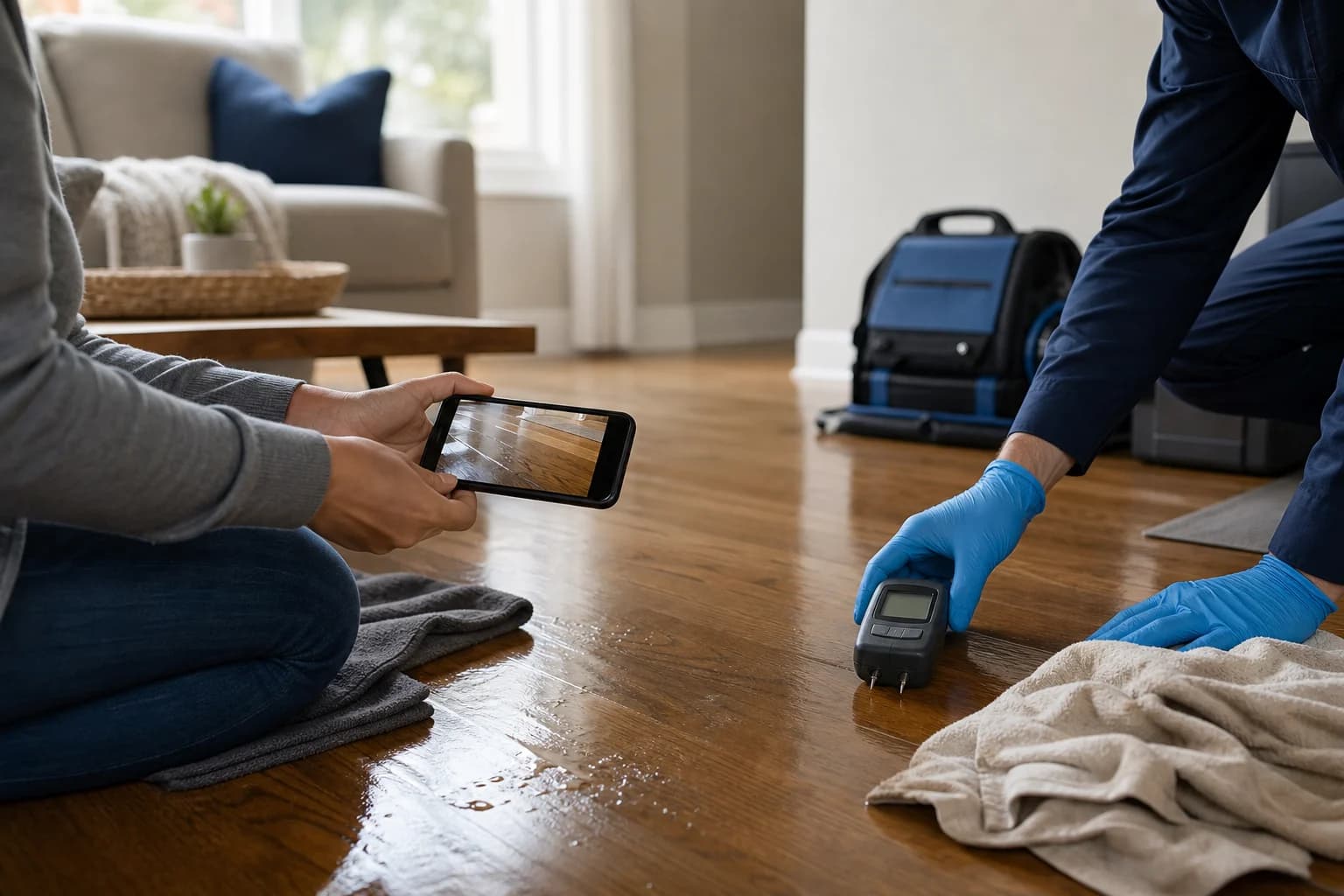
Coverage depends on the water source, policy language, exclusions, endorsements, limits, deductible, and claim facts. When conditions are safe, document the apparent source, affected rooms, visible damage, and reasonable steps taken to limit additional loss. Review the policy and follow the insurer's claim instructions.
This is general information, not insurance or legal advice.
Read the water damage insurance claim guideMore sewage backup cleanup in Ohio
Questions property owners ask
Sewage Backup Cleanup in Springfield: FAQs
What can affect sewage backup cleanup in Springfield, OH?
What should a sewage backup cleanup assessment cover in Springfield, OH?
Why is sewage cleanup different from other water cleanup?
Can I clean up a sewage backup myself?
What materials need to be removed after a sewage backup?
Technical and safety sources (12)
These sources support restoration, safety, moisture, cleanup, local context, and scope guidance. They do not serve as numeric pricing provenance.
- CDC - Guidelines for Cleaning Safely After a Disaster: CDC safety guidance for floodwater, sewage, protective equipment, and contaminated materials.
- CDC - Septic and Onsite Wastewater Systems After Flooding: CDC guidance on sewage exposure, wastewater overflows, and precautions after flooding.
- U.S. EPA - Flooded Home: EPA guidance on safety, cleanup, moisture control, and drying after a home is flooded.
- NAIC - Consumer Homeowners Insurance: NAIC consumer information on homeowners coverage, exclusions, inventories, and policy review.
- NAIC - What You Need to Know When Filing a Homeowners Claim: NAIC guidance on reporting a claim, documenting damage, deductibles, contractors, and adjuster meetings.
- FEMA National Risk Index: Counties: FEMA county-level hazard ratings used for conservative regional context.
- FEMA National Risk Index Technical Documentation: FEMA documentation for National Risk Index measures, scoring, and limitations.
- U.S. Census Bureau Gazetteer Files: Census reference for official place geography and Gazetteer datasets.
- CDC - Reentering Your Flooded Home Safely: CDC guidance on electrical hazards, standing water, ventilation, cleanup, and reentry after flooding.
- U.S. EPA - A Brief Guide to Mold, Moisture and Your Home: EPA guidance on moisture control, prompt drying, indoor humidity, and mold cleanup decisions.
- U.S. EPA - Mold Course Chapter 2: EPA guidance on responding promptly to wet building materials and evaluating moisture conditions.
- FloodSmart.gov - National Flood Insurance Program: Federal consumer information about flood insurance and the distinction between flood and homeowners coverage.