What a sewage backup means
A sewage backup can send wastewater into drains, fixtures, and nearby building materials. The area should be treated as contaminated, and access should be limited until it can be evaluated. Water Restoration Pros connects homeowners with independent restoration professionals who can assess the spread, remove affected water, and plan cleanup based on the source and extent of the backup.
First steps to take right away
The first priority is safety. Stop using fixtures tied to the affected drain system so more wastewater is not added. Keep children and pets away from the area. Do not enter standing water to reach electrical equipment, and do not touch outlets, wiring, or appliances if water is nearby. If conditions suggest an electrical hazard, leave the area and contact the utility, emergency services, or a qualified electrician.
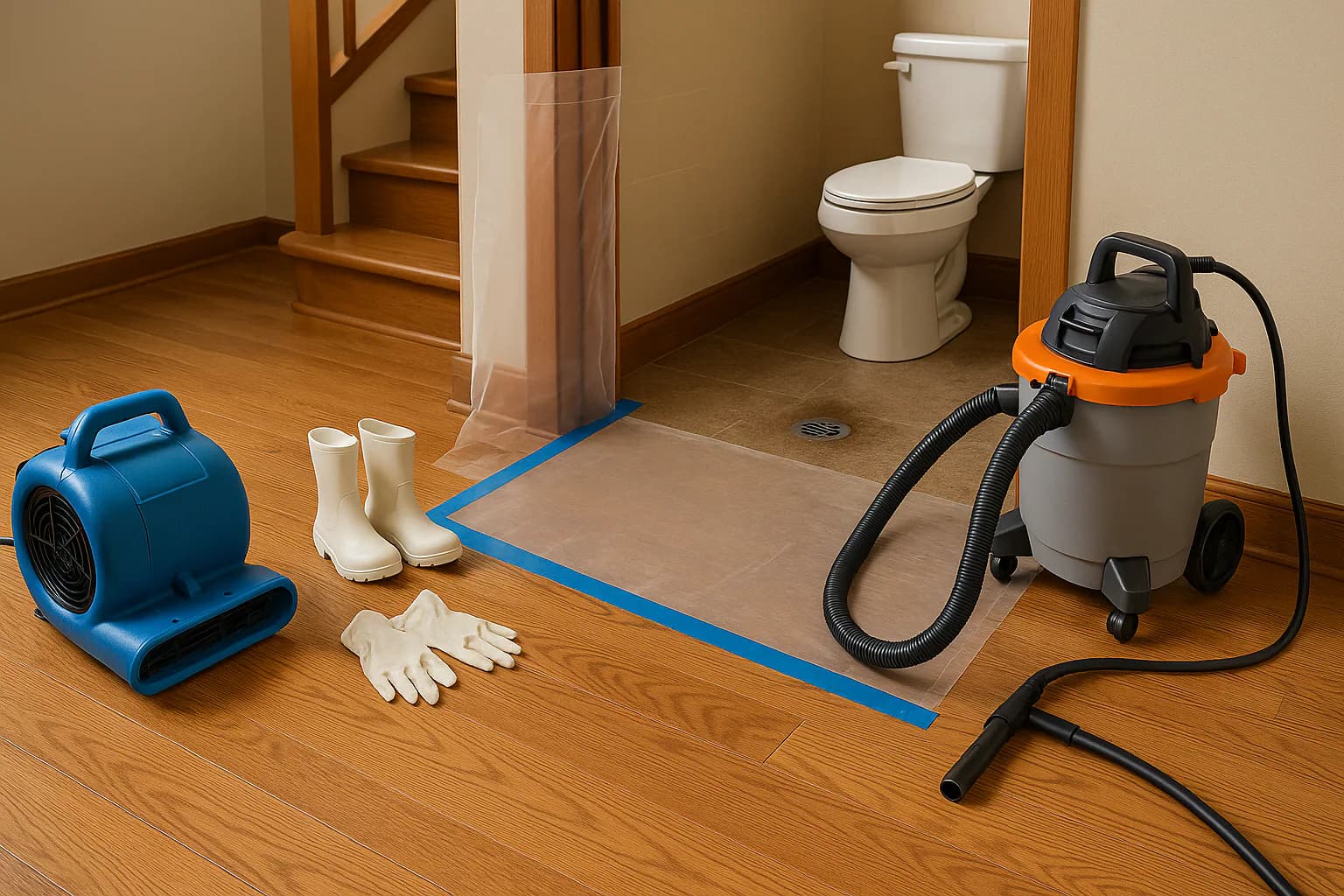
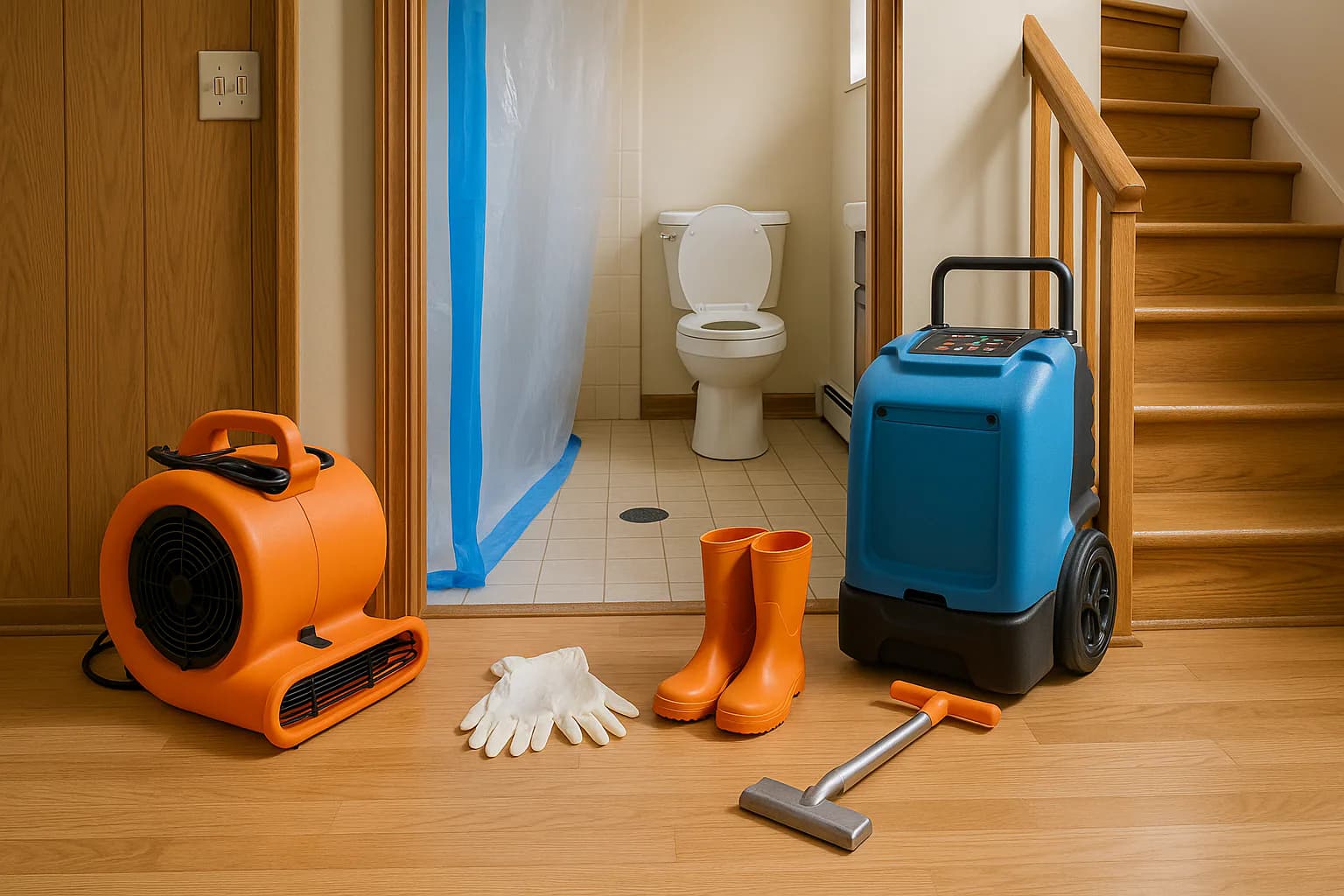
If you must be near the affected area before help arrives, use protective equipment such as waterproof gloves, boots, and eye protection, following public-health guidance. Avoid disturbing sewage or debris more than necessary.
Floodwater and sewage can be contaminated. Limit access, avoid direct contact, and follow public-health guidance until the area has been assessed and cleaned.
What not to clean on your own
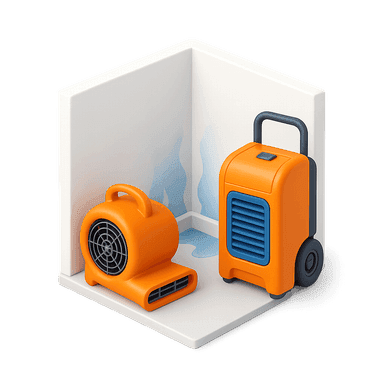
Do not rely on household fans or air conditioners to dry a sewage-affected area. They can move contaminated moisture through the home instead of controlling it. Avoid mixing cleaning chemicals, and do not try to handle contaminated materials without proper protection.
The affected area may include more than what is visible at first glance. Water can move into seams, cavities, and concealed spaces, so the cleanup plan should be based on a careful evaluation rather than the surface appearance alone.
Materials that may be affected
Porous materials often absorb contaminated water and may need removal. Non-porous materials may be candidates for cleaning, but they still need careful handling. Materials with seams, cavities, or absorbent layers may need individual evaluation because contamination can reach beyond the visible surface.
- Often evaluated for removal: carpet pad, drywall, insulation, and upholstered items
- Often candidates for cleaning: glass, metal, hard plastic, and some sealed surfaces
- Need individual evaluation: mattresses, pillows, paper products, wood finishes, and contents with seams or cavities
Why drying matters
Fast drying reduces the conditions that allow mold to grow. EPA guidance says wet building materials should be dried within 24 to 48 hours. If materials stay wet longer, the cleanup plan may need to address removal, cleaning, and controlled drying before repairs begin.
Moisture readings over time can help show whether hidden areas are drying as expected. Thermal imaging may help screen for temperature patterns, but it does not prove moisture or mold without direct measurement or inspection.
How professional sewage cleanup is handled
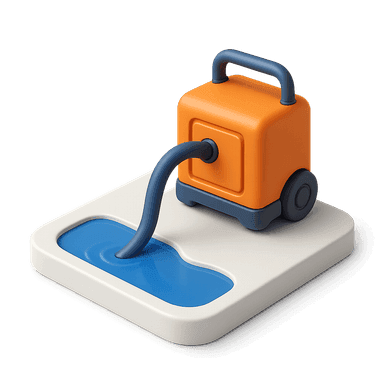
The pros in your area typically start by extracting contaminated water with specialized equipment. After that, they can remove unsalvageable materials, clean retained surfaces, and dry the structure in a controlled way. The scope depends on the source of the backup, how far the water spread, and whether contamination reached wall cavities or mechanical spaces.
Black water and other contaminated wastewater require careful handling and sanitation. A written assessment should separate cleanup, drying, and any later reconstruction so the work can be planned in the right order.
Documenting the damage
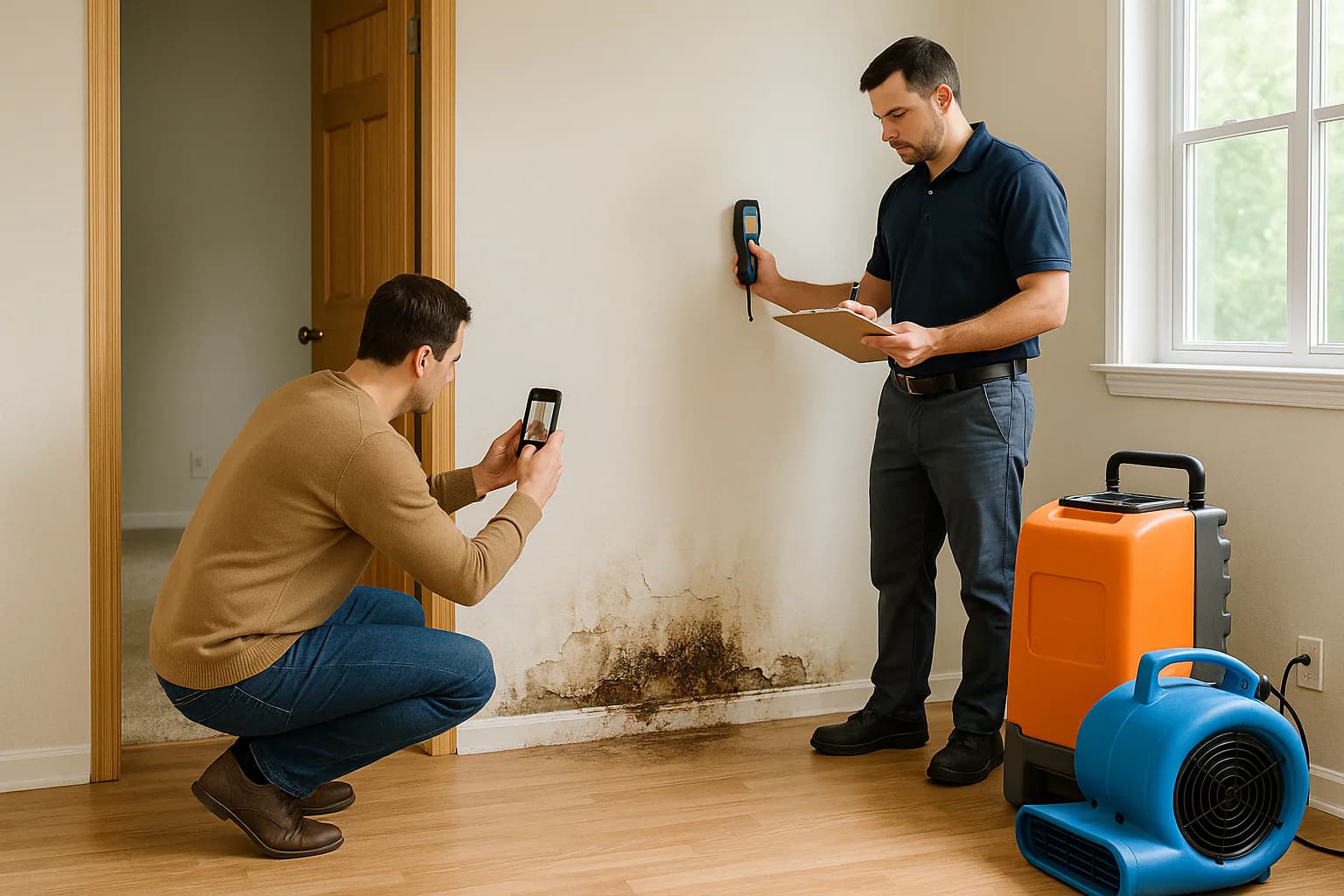
Once it is safe, document the affected areas with photos and videos. Include visible damage, contaminated materials, and any places where water appears to have spread. Good documentation can help the homeowner explain the loss to the insurer and help restoration professionals understand the scope of the work.
Insurance coverage and claim outcomes depend on the cause, policy language, exclusions, endorsements, limits, deductible, and claim facts. Review the policy and contact the insurer promptly to ask how the loss may be handled.
Preventing another backup
Prevention depends on the cause. Avoid flushing wipes, grease, and other materials that can contribute to clogs. A plumber or sewer professional can inspect the line, look for recurring blockages or root intrusion, and advise whether maintenance or a backwater device may be appropriate for the property and local plumbing rules.
If the backup happened during flooding
Floodwater and sewage can both be contaminated, so the area should be treated carefully and access limited. Follow public-health guidance and avoid direct contact with the water or affected materials. Do not handle energized equipment or enter standing water. A local pro can help evaluate what was affected and what cleanup and drying steps are needed.
What homeowners can expect from the cleanup process
A sewage cleanup job is usually more than water removal. It often includes evaluating what can be cleaned, what needs removal, and how far moisture has moved into the structure. The pros Water Restoration Pros connects homeowners with can help organize those steps so the work follows a practical order and the affected area is dried and cleaned with care.
Before repairs begin, compare the final cleanup record with the original affected area. The file should identify the wastewater source, materials removed, surfaces retained and cleaned, drying measurements, and any areas that could not be inspected. That record helps the property owner, repair contractor, and insurer understand what the cleanup addressed and what work remains.
Related Services
Connect with Local Restoration Professionals
If your home has experienced a sewage backup, connect with independent restoration professionals in your area for safe and thorough cleanup, sanitation, and drying.
Call (833) 968-0848Frequently asked questions
Can a sewage backup be cleaned without professional help?
How fast does wet material need to dry after a sewage backup?
Does insurance automatically cover a sewage backup?
Sources reviewed (3)
- CDC - Guidelines for Cleaning Safely After a Disaster: CDC safety guidance for floodwater, sewage, protective equipment, and contaminated materials.
- U.S. EPA — Mold Course Chapter 2 (moisture control): Wet building materials should be dried within 24–48 hours to avoid mold growth.
- CDC - Septic and Onsite Wastewater Systems After Flooding: CDC guidance on sewage exposure, wastewater overflows, and precautions after flooding.