A toilet overflow can quickly become more than a minor inconvenience. Whether caused by a supply-line leak or a blockage that sends water—and possibly waste—onto your floors, fast action is essential to limit property damage. Recognizing the type of water involved and knowing what steps to take helps protect your home and belongings.
Water from a toilet overflow often goes beyond the visible puddle. It can seep under flooring, behind baseboards, or into ceilings below, making cleanup more complex. Early decisions about safety, cleanup methods, and documentation greatly affect both repair costs and the outcome of any insurance claim.
Stop the Water Flow Safely
The first priority after noticing a toilet overflow is to stop additional water from entering the area. Most toilets have a shut-off valve located near the base, typically behind the toilet. Turn this valve clockwise to close it and halt the water flow. If the valve cannot be reached or will not turn, shutting off the main water supply to the house can prevent further flooding.
Avoid flushing the toilet again and do not use nearby water fixtures until the problem is resolved. This step prevents more water—whether clean or contaminated—from entering the affected area and spreading damage.
Identify the Water Source and Contamination Risk
Not all toilet overflows are the same. Understanding whether the water is clean or contaminated helps determine the safest cleanup method. A supply-line leak usually involves clean water. In contrast, water that comes from the toilet bowl—especially if it contains waste—should be treated as contaminated. Sewage-contaminated water (sometimes called "black water") requires caution, as it can carry harmful substances.
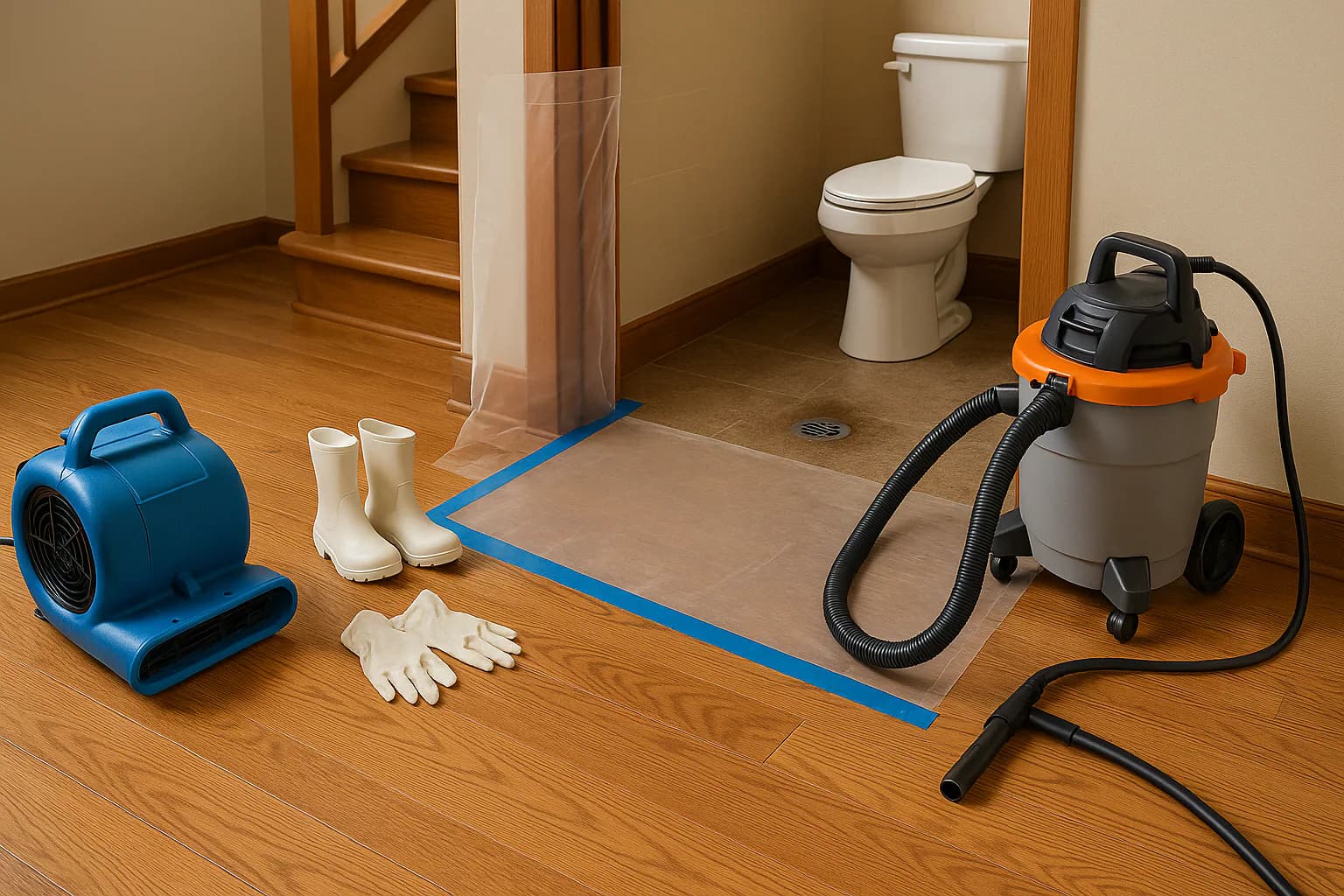
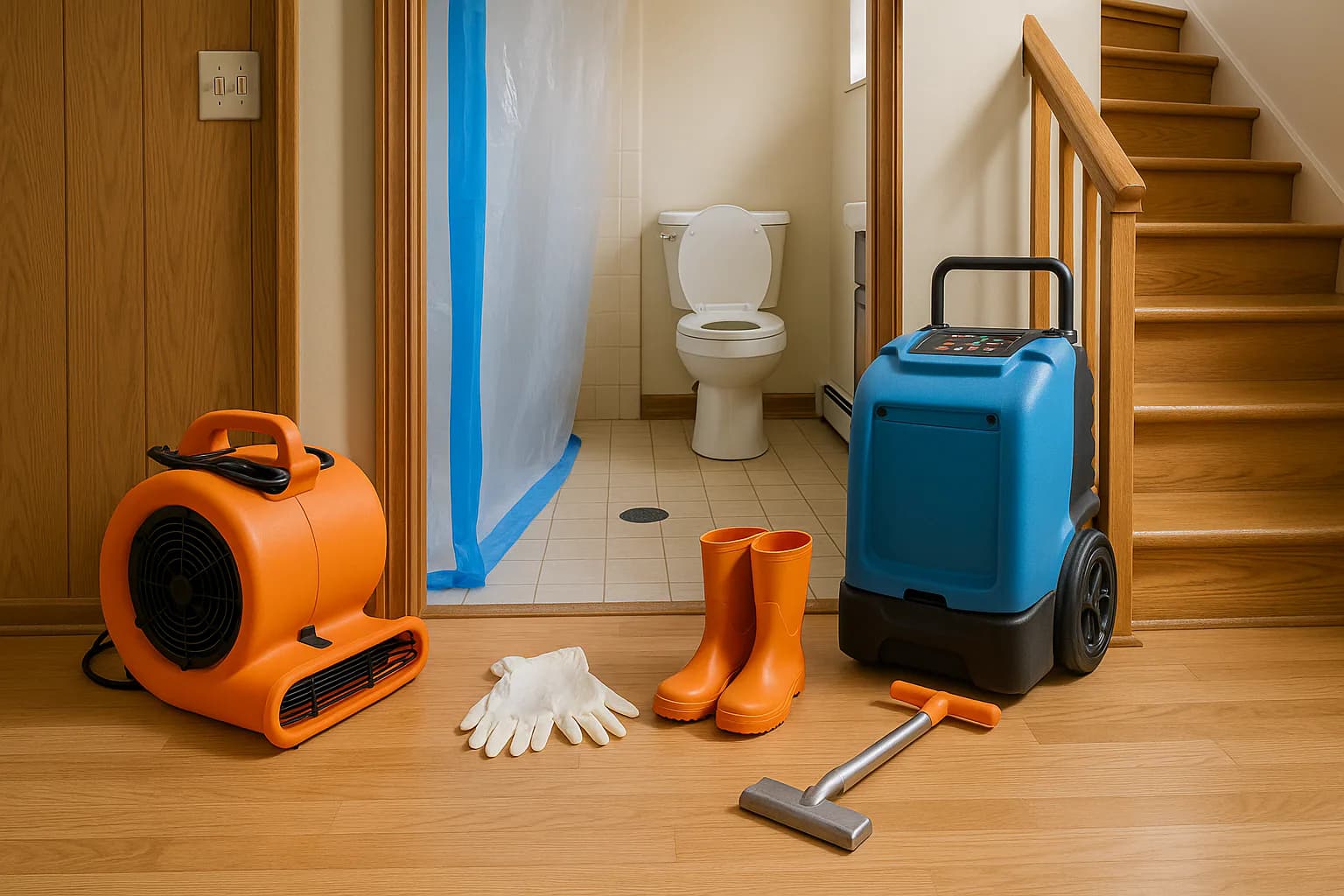
If you are unsure about the source or see visible waste, it is safer to assume the water is contaminated. The CDC recommends wearing rubber boots, gloves, and goggles when cleaning up contaminated water. Cleanup methods will differ depending on the contamination level and how long materials have remained wet.
Protect Surrounding Areas and Document Damage
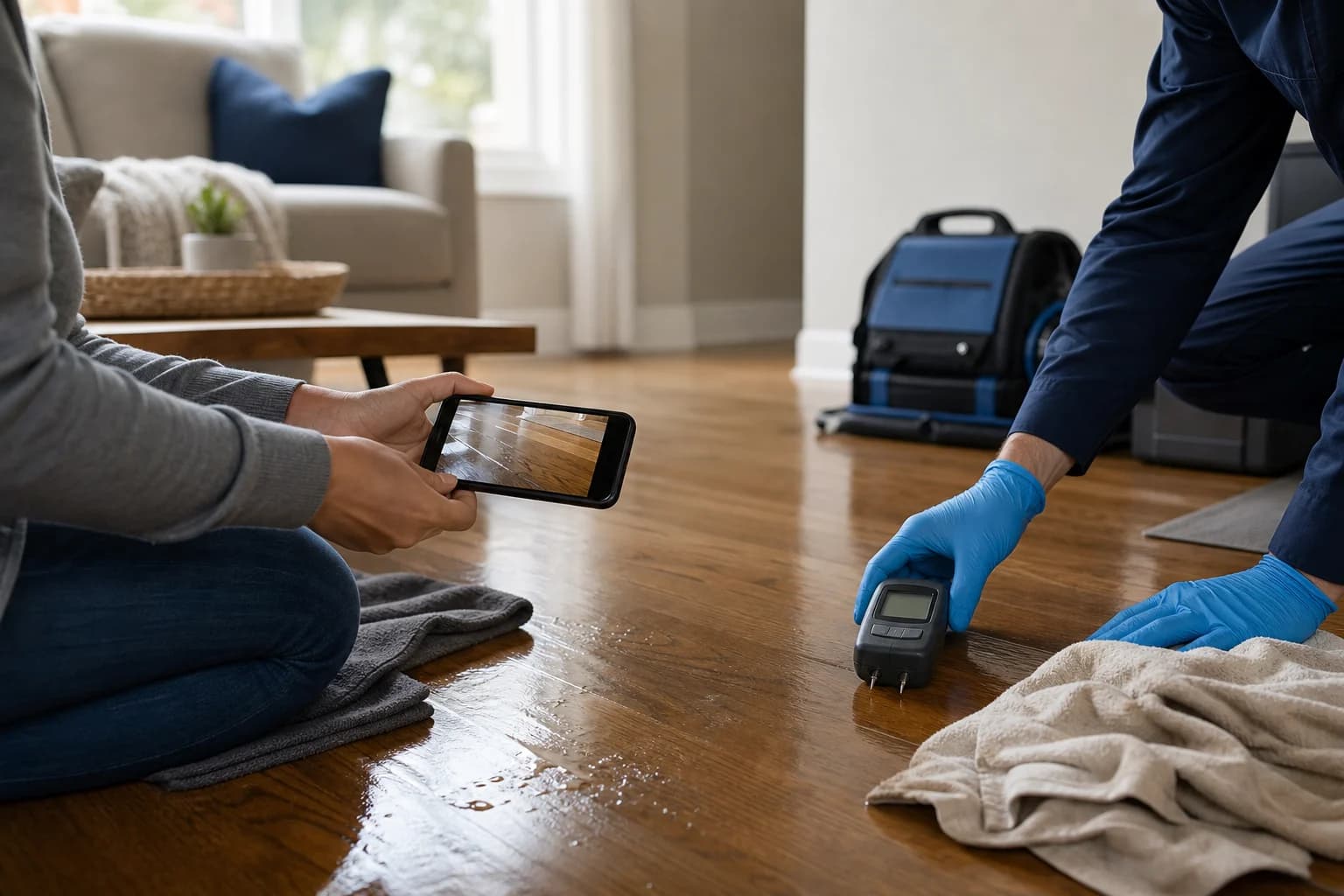
To limit the spread of water, quickly remove rugs, towels, and any movable items from the affected area. Use towels or a mop to soak up as much standing water as possible, but avoid pushing water into areas that were not originally affected.
Water can travel under tile, vinyl, and baseboards, and even into the subfloor or lower-level ceilings. Even after surfaces look dry, hidden moisture may remain. Increasing ventilation with open windows or fans can help begin the drying process, but be aware that some building materials hold moisture and may require professional drying.
Take photos or videos of the affected areas and items. This documentation can be valuable if you need to file an insurance claim or work with restoration professionals.
When Professional Cleanup Is Needed
Professional cleanup is strongly recommended when the overflow involves water from the toilet bowl with visible waste or if the water has soaked into porous building materials like drywall, insulation, or flooring. The CDC advises that drywall and insulation contaminated by sewage should be removed and discarded. Restoration professionals have specialized equipment to safely remove contaminated materials, dry hidden moisture, and thoroughly clean and sanitize affected areas.
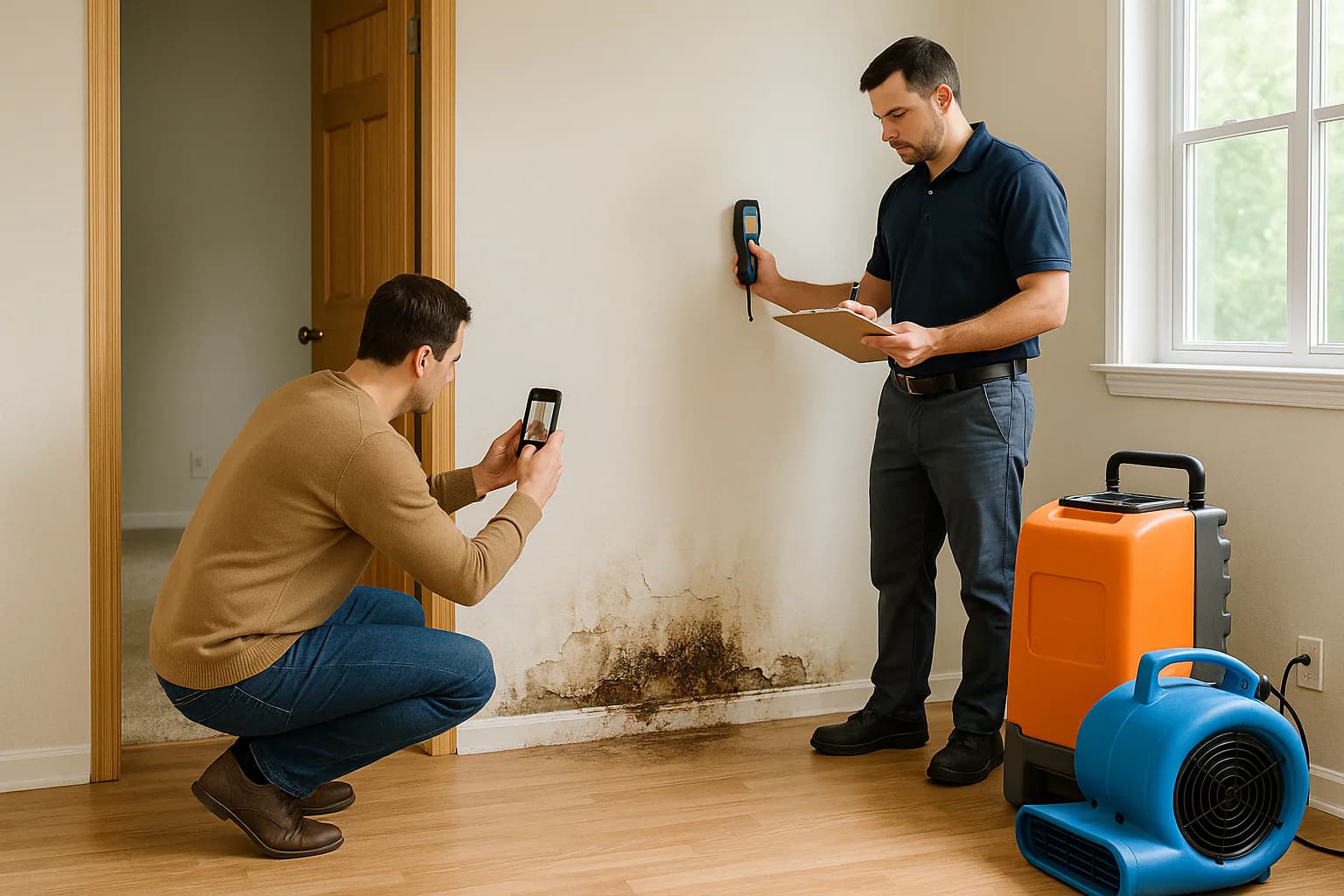
Even if the water seems to have dried, moisture can linger behind walls and beneath floors, creating conditions that allow mold to grow. The EPA recommends drying wet materials within 24–48 hours to reduce this risk. Restoration professionals use moisture meters and other tools to check for hidden wet spots and plan for safe remediation.
Contaminated Water Cleanup
Sewage-contaminated water is a contact hazard. Wear rubber boots, gloves, and goggles during cleanup, and consider professional help for sanitation and removal of affected materials.
How Water Travels and Hidden Moisture Risks
After a toilet overflow, water does not always stay in plain sight. It can seep beneath tile and vinyl flooring, wick up behind baseboards, and drip into rooms below. Ceilings on lower floors may become stained or weakened, even if the water source was on the floor above.
Some materials, such as carpet padding, drywall, or insulation, can retain water even after the surface feels dry. Undetected moisture not only damages building materials but also supports mold growth if not properly addressed within the first 24–48 hours. Restoration professionals assess the extent of hidden moisture and recommend appropriate drying or removal.
Preventing Future Toilet Overflows
Prevention begins with mindful use and regular toilet maintenance. Avoid flushing items like wipes, paper towels, feminine hygiene products, or anything not meant for the sewer system. These items can cause clogs and increase the risk of an overflow.
If your toilet often drains slowly or backs up, schedule a plumbing inspection to check for blockages or worn parts. Keeping the toilet’s flapper and fill valve in good condition helps prevent malfunctions that could lead to overflows. Routine attention to your home’s plumbing system reduces the chance of a repeat incident.
- 1
Step 1: Stop the water supply
Turn off the toilet’s shut-off valve or, if necessary, the main water supply to halt additional flooding.
- 2
Step 2: Remove standing water
Carefully soak up visible water with towels or a mop. Work to keep water from spreading into other rooms.
- 3
Step 3: Identify the water source
Determine if the overflow involved clean supply water or contaminated water from the toilet bowl.
- 4
Step 4: Protect nearby areas
Move furniture and valuables out of the wet area. Begin ventilating the space to start the drying process.
- 5
Step 5: Document the damage
Take clear photos or videos of all affected rooms and items for possible insurance claims or professional assessment.
- 6
Step 6: Decide on professional help
If contamination is present or water has soaked into materials, contact a local restoration professional for safe cleanup and thorough drying.
Restoration Services for Toilet Overflow
Connect with Local Restoration Professionals
If you experience a toilet overflow, contact independent restoration pros in your area for safe cleanup and reliable drying. Taking quick action helps limit damage and supports a smoother restoration process.
Call (833) 968-0848Frequently asked questions
How can I tell if a toilet overflow involves contaminated water?
Why does water from a toilet overflow reach areas beyond the bathroom?
Do I always need a professional for a toilet overflow cleanup?
Sources reviewed (3)
- CDC — Guidelines for Cleaning Safely After a Disaster: Cleanup safety guidance for floodwater and sewage, including protective equipment and handling of contaminated porous materials.
- U.S. EPA — Mold Course Chapter 2 (moisture control): Wet building materials should be dried within 24–48 hours to avoid mold growth.
- U.S. EPA - Flooded Home: EPA guidance on safety, cleanup, moisture control, and drying after a home is flooded.