

Selling a house with water damage presents unique challenges and decisions for homeowners. Whether the damage is recent or from a past event, understanding your options can help protect your property's value and ensure a smooth transaction.
Water damage can impact a home's marketability and sale price. Proper disclosure and documentation are key to navigating the selling process successfully. Let's explore the options available when selling a house with water damage, and the importance of transparency in the real estate market.
Your three options
When selling a house with water damage, homeowners generally have three main options to consider. Each option has its own set of benefits and potential drawbacks, and the right choice often depends on personal circumstances, the extent of the damage, and financial considerations. Evaluating these options carefully can help you make an informed decision that aligns with your goals and resources.
- Repair the damage before listing the property. This option can involve professional restoration services to ensure the home is restored to a pre-damage condition. Hiring professionals can be crucial, as they are equipped to handle various types of water damage, ranging from clean water to more severe cases involving contaminated water. Use a current itemized estimate because source, contamination, affected materials, drying time, and repairs can change the total.
- Sell the house as-is with full disclosure of the water damage. This option may result in a lower sale price, but it allows the buyer to address the repairs themselves. This can be a viable choice if the cost and effort of repairs seem overwhelming. Being upfront about the damage can prevent future disputes and is often seen as a more transparent and ethical approach, which can appeal to certain buyers looking for investment opportunities.
- Sell the property to a cash buyer or investor. This often entails a quicker sale, though at a reduced price, as investors typically factor in repair costs into their offers. Cash buyers or investors are usually more experienced in dealing with properties that require significant work, and they might be less concerned about the condition of the home. This option can be attractive if you're seeking to sell quickly or avoid the hassle of repairs.
Disclosure: hiding it is the expensive mistake
Most states require sellers to disclose known water damage and past flooding events when selling a home. These disclosure laws are in place to protect both the buyer and the seller, ensuring that all parties are informed about the property's condition. Failure to disclose such issues can lead to legal complications and potential financial liabilities, which can be far more costly than any perceived short-term benefit of withholding information.
It's crucial to check your state's specific disclosure requirements to ensure compliance. Each state has its own set of rules regarding what must be disclosed and how it should be documented. Generally, known water damage, past flooding incidents, and any related repairs need to be clearly communicated to potential buyers. This transparency not only helps protect you legally but also builds trust, which can be a valuable asset in negotiations.
Failing to disclose water damage can result in legal action from buyers if the issue is discovered later. Transparency is not only ethical but can prevent costly disputes.
What buyers and inspectors will find
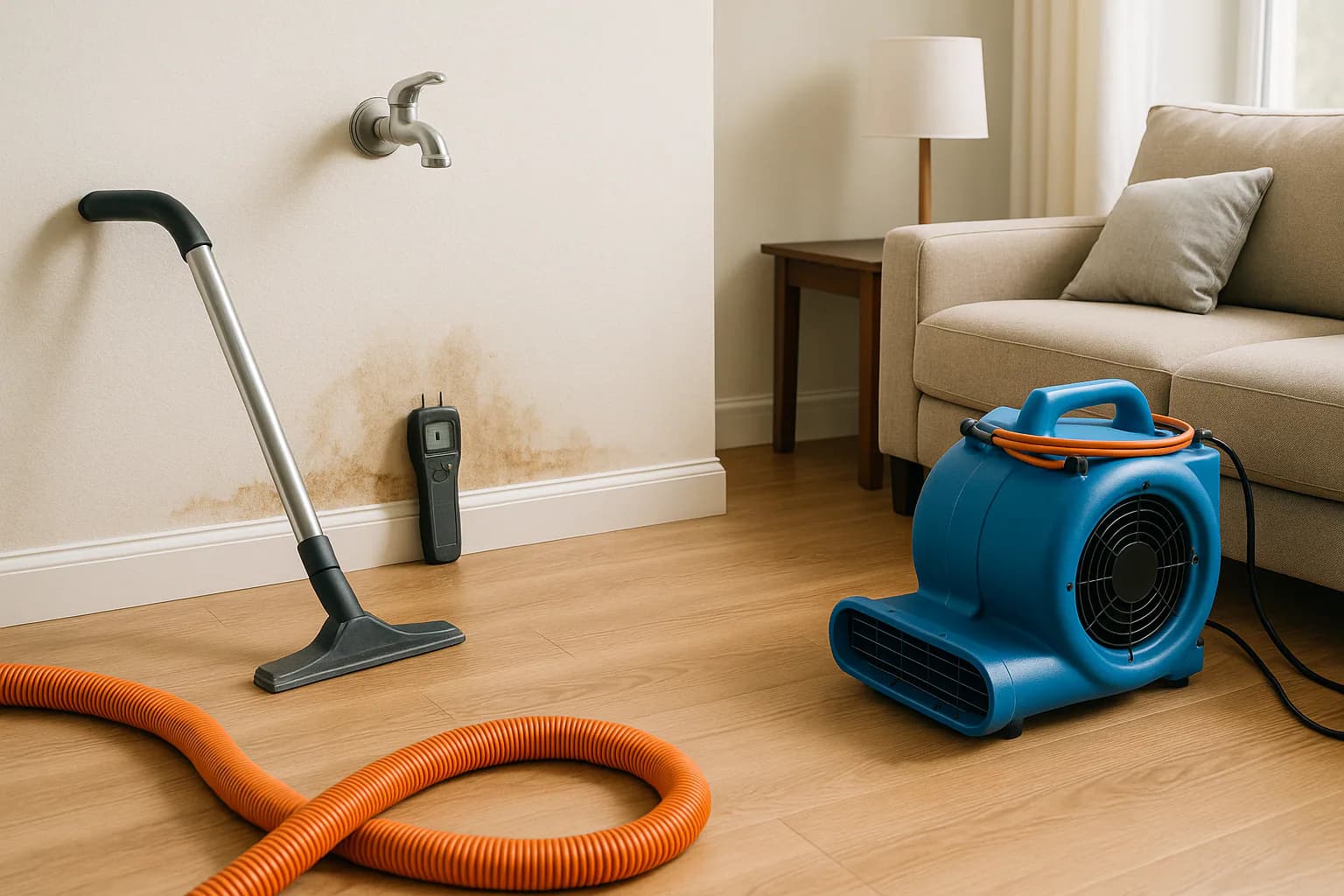
Buyers and their inspectors are likely to identify signs of water damage during a home inspection. This can include water stains, warped flooring, or the smell of mold. Even if repairs are made, improper or undocumented repairs can raise red flags. Experienced inspectors will look beyond superficial fixes and assess the integrity of the repairs, checking for moisture levels in walls and floors to ensure that the water damage was adequately addressed.
Home inspections are thorough, and inspectors use various tools and techniques to uncover issues that might not be visible to the untrained eye. They might employ moisture meters, infrared cameras, or even remove sections of drywall to get a clearer picture of any hidden damage. Understanding what inspectors look for can help you prepare and address potential issues before listing your home. Proper documentation of prior repairs, such as moisture logs and invoices, can provide reassurance to both inspectors and buyers that the necessary steps were taken to repair the damage.
How documented restoration protects your price
Professional restoration provides not only repairs but also documentation that can reassure potential buyers. Moisture logs, invoices, and restoration reports can demonstrate that the damage was professionally addressed, helping to maintain the property's value. Documentation serves as proof that industry-standard practices were followed, and it can increase buyer confidence, which is crucial in maintaining or even enhancing your property's marketability.
Documenting the restoration process can help buyers feel confident that the issue was resolved correctly, potentially preventing price negotiations based on fear of hidden damage. When buyers see that a professional handled the restoration, it alleviates concerns about recurring issues or additional costs. This can be a significant selling point, especially when competing against other properties on the market. Restoration documentation can effectively counteract any negative perceptions and support your asking price during negotiations.
When as-is makes sense
Selling a house as-is might be the right choice if you lack the resources or time to repair the damage. This option is often appealing for properties that need significant restoration or for sellers seeking a quick transaction without upfront repair costs. The as-is sale can attract a specific type of buyer, often investors or those looking for a fixer-upper, who are willing to take on the project for a lower purchase price.
While selling as-is generally results in a lower sale price, it may be beneficial if the cost and effort of repairs outweigh the potential increase in sale price. If you're considering an as-is sale, it's essential to set realistic expectations about the price and market interest. Be prepared for negotiations and possibly prolonged market exposure. However, for many sellers, the convenience and speed of an as-is transaction outweigh the drawbacks, especially if the water damage is extensive or the seller's situation necessitates a quick sale.
Connect with Water Restoration Pros
Need Water Damage Restoration?
Connect with local professionals to assess and restore your home's water damage. Ensure your home is ready for sale with expert help.
Call (833) 968-0848Frequently asked questions
What are the costs of repairing water damage?
Is it necessary to disclose past water damage when selling a house?
How can professional restoration documentation benefit home sellers?
Sources reviewed (4)
- NAIC - What to Know When Filing a Homeowners Claim: NAIC guidance on deductibles, prompt notice, damage lists, photographs, and claim documentation.
- NAIC - Consumer Homeowners Insurance: NAIC consumer guidance on water losses, flood exclusions, home inventories, and reviewing policy terms.
- U.S. EPA - A Brief Guide to Mold, Moisture and Your Home: EPA guidance on moisture control, prompt drying, indoor humidity, and mold cleanup decisions.
- U.S. EPA - Mold Course Chapter 2: EPA guidance to dry wet building materials within about 24 to 48 hours when possible.