Water damage can escalate quickly, spreading from a small area to a much larger problem in a short amount of time. As water moves through floors, walls, and furnishings, it increases the risk of structural issues and creates the damp conditions that allow mold to develop. Many property owners are surprised by how fast this can happen, especially when the water is not removed promptly.
The speed at which water damage spreads depends on the source of the water, the types of materials in the affected area, and environmental conditions such as temperature and humidity. Understanding the timeline and what signs to look for can help property owners act quickly, giving their property a better chance for recovery and minimizing more serious issues.
How Water Damage Progresses: The Timeline
Water damage is a process, not just a single event. Once water enters a building, it begins to move and interact with materials in different ways. The following stages give a general sense of how water damage can unfold, though the exact timing varies based on building materials, the source of water, and the environment. Recognizing these stages helps property owners and on-site professionals decide when immediate action is appropriate.
- 1
Within Minutes
Water will start spreading across floors, soaking into carpets, rugs, and padding. Baseboards and the lower parts of walls can begin to absorb moisture. Items resting directly on the floor, such as boxes or furniture legs, start to get wet.
- 2
Within Hours
Moisture can seep further into drywall, causing it to swell or soften. Wood finishes may discolor or become cloudy. Metals can begin to tarnish. Early musty odors may appear as materials react with water.
- 3
Within 1–2 Days
If materials stay wet, they can become more difficult to dry and salvage. Under the right conditions, mold may begin to develop. Wood may warp, and adhesives in flooring can weaken. The risk of hidden moisture in wall cavities and under flooring increases.
- 4
After a Week or More
Extended moisture exposure can allow mold to become well established in damp materials. Structural elements such as subfloors or framing may be compromised if water remains. Restoration at this point can require more extensive repairs, and more materials might need to be replaced.
Key Factors That Affect How Fast Water Damage Spreads
Not all water damage spreads at the same rate. Several factors influence how quickly water moves through a property. The source of the water is one of the biggest variables. Clean water from a broken supply line may behave differently than contaminated water from a flood or sewage backup. Water category depends on the source, contamination, path, and changing conditions; color, clarity, and odor are clues but do not confirm water quality.
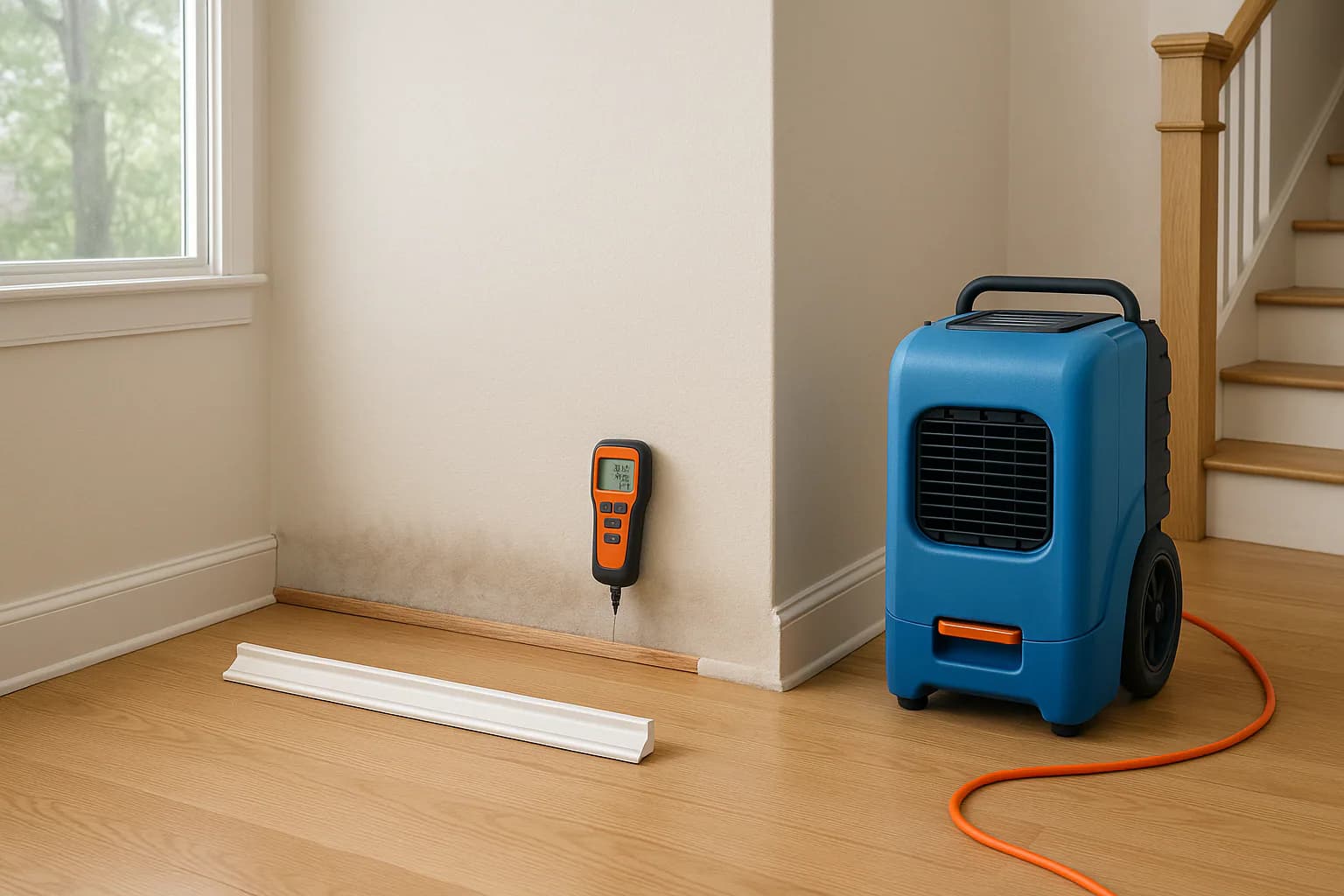
Building materials also play a major role—porous materials like drywall and insulation absorb water quickly, while nonporous surfaces may slow the spread but can trap moisture underneath. Environmental conditions such as warmth and high humidity can accelerate the rate of absorption and promote the conditions that allow mold to grow. The layout of the space, the presence of cracks or gaps, and whether water can move freely between rooms and floors all affect the pace and pattern of damage. Restoration professionals often use their knowledge of building construction, along with appropriate moisture detection tools, to assess the full extent of the problem.
Early Clues: What to Watch For
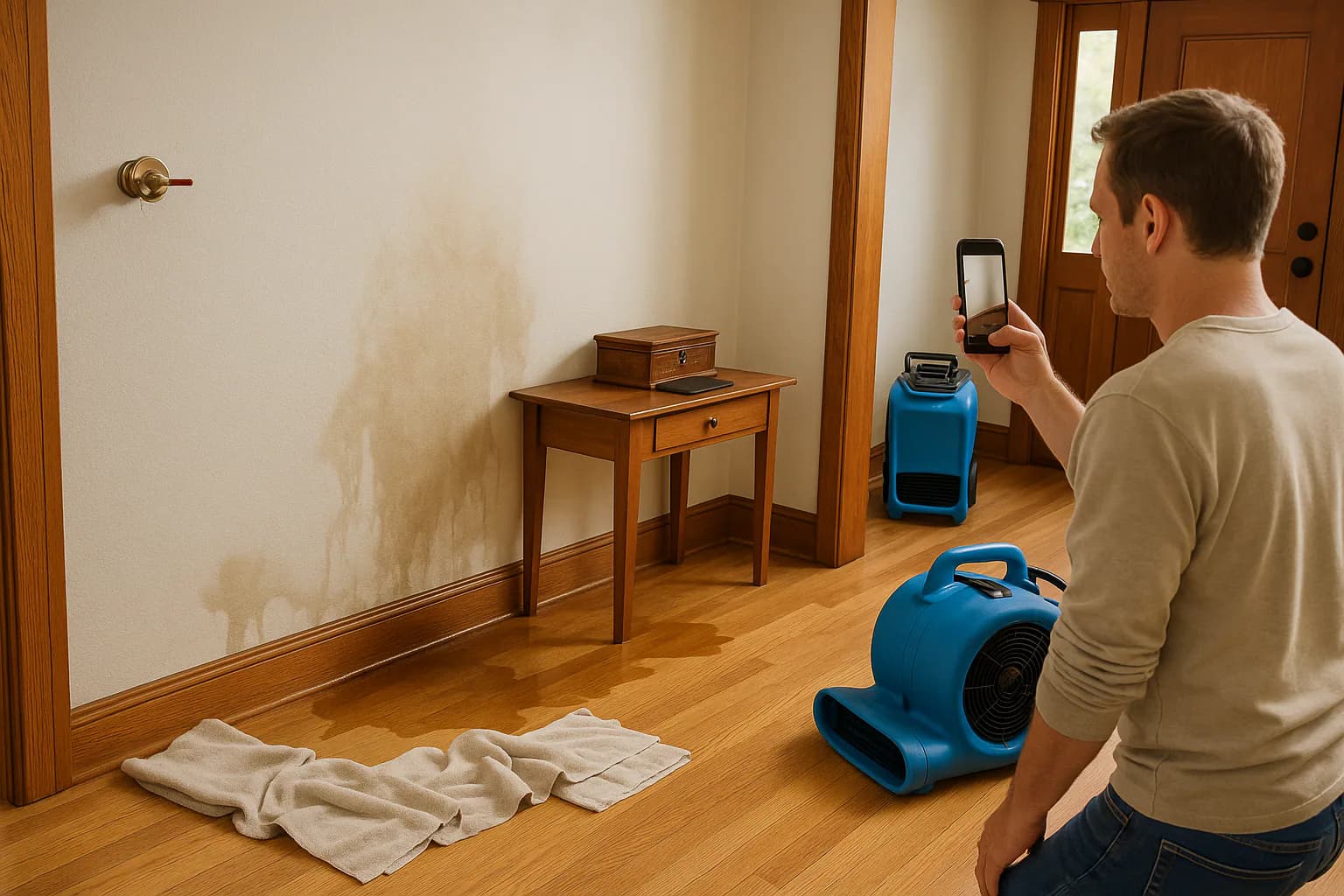
Property owners can look for clues that water is spreading or lingering unseen. Visible damp spots, swelling of wood or drywall, and peeling paint are common early signs. Musty odors or sudden changes in room temperature may also suggest moisture is trapped somewhere, but these are signs to investigate further, not proof of hidden water or mold.
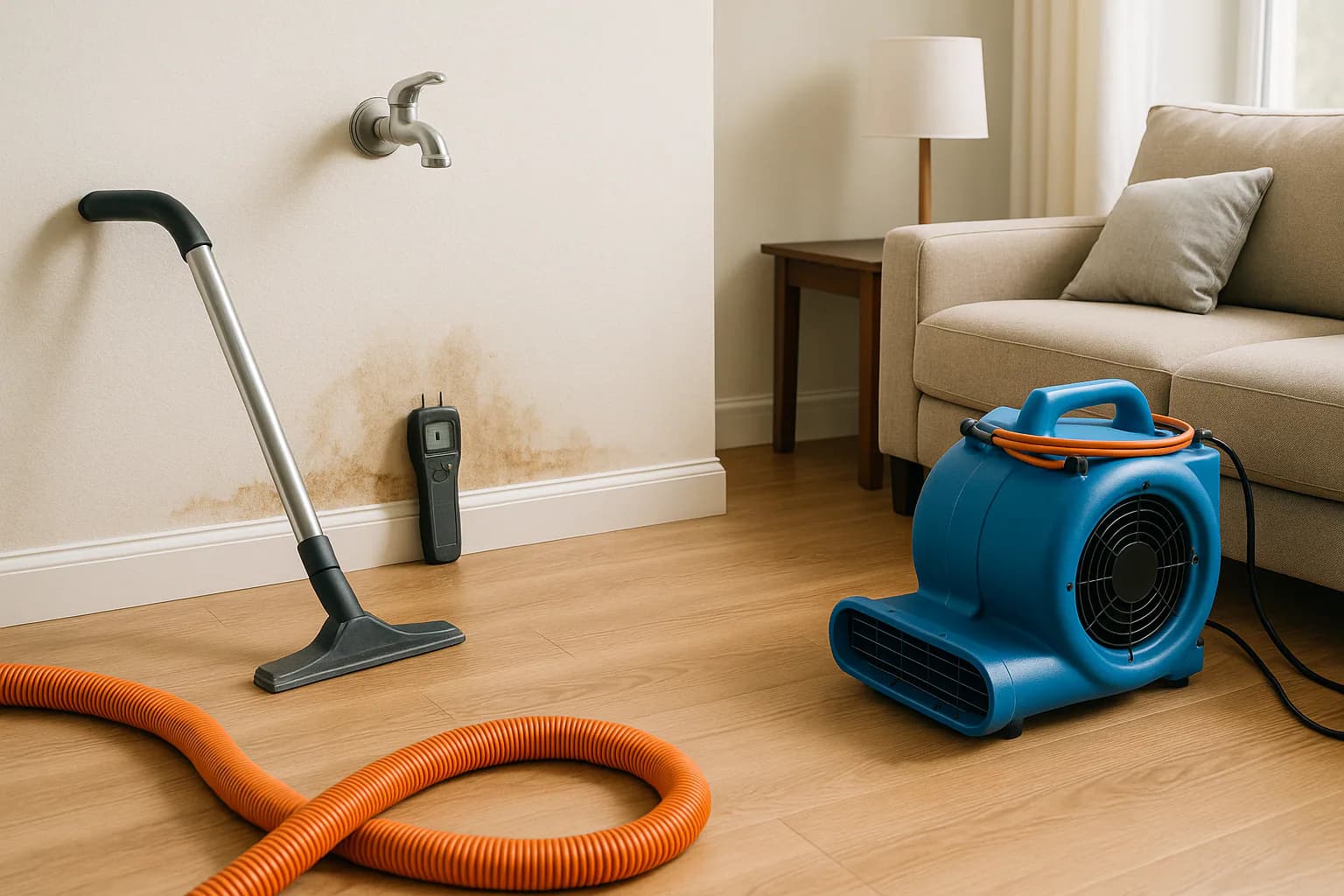
Stains on ceilings, bubbling in paint or wallpaper, and warping of flooring are indicators that water has moved beyond the original spill or leak. Professional equipment like thermal imaging cameras can help screen for temperature patterns that sometimes signal hidden moisture, but these tools identify surface temperature differences and are most useful when paired with direct moisture measurements. If water is suspected in wall cavities, under floors, or in other inaccessible spaces, a professional assessment can help determine the true extent.
Why Prompt Action Makes a Difference
The longer water remains in contact with building materials, the greater the chance for structural problems and the conditions that allow mold to develop. Prompt action can help interrupt the timeline, minimize loss, and reduce the need for more extensive repairs. Restoration professionals typically recommend removing standing water promptly, followed by careful drying of all affected areas—including those that may not be immediately visible.
- Quick removal of standing water limits how far it can soak into building materials.
- Early drying helps prevent moisture from lingering in wall cavities and under flooring.
- Acting promptly increases the likelihood that more materials can be salvaged.
- Reducing the time materials stay wet lowers the risk of conditions that allow mold to grow.
In situations involving contaminated or floodwater, professional sanitation and cleanup are recommended for safe handling. Even with clean water, moisture can hide in places that are difficult to reach without specialized tools or knowledge. If the affected area is large, persistent, or involves materials that could trap water, an on-site professional assessment is advisable.
Quick Drying Reduces Mold Conditions
According to EPA guidance, drying out wet materials and areas within 24–48 hours is crucial for reducing the conditions that allow mold to grow. If you find mold, avoid disturbing it and keep the area ventilated when safe. Seek advice if the affected area is large or hard to reach.
Common Mistakes That Can Make Water Damage Worse
Waiting to address water damage is one of the most frequent and costly mistakes. Many property owners assume small leaks or spills will dry on their own, not realizing how quickly water can move through flooring and into walls. Letting water sit—even if it looks like most of it has evaporated—can lead to hidden moisture problems that surface weeks or months later.
Another common misstep is only drying what is visible. Water often wicks behind baseboards, under cabinetry, and into subfloors. Relying solely on air movement or opening windows may not be enough, especially if moisture is trapped in enclosed spaces. Professional tools and techniques are sometimes necessary when water has reached areas that are out of sight or difficult to access. When in doubt, a local pro can help assess whether further steps are needed.
When to Call for Professional Help
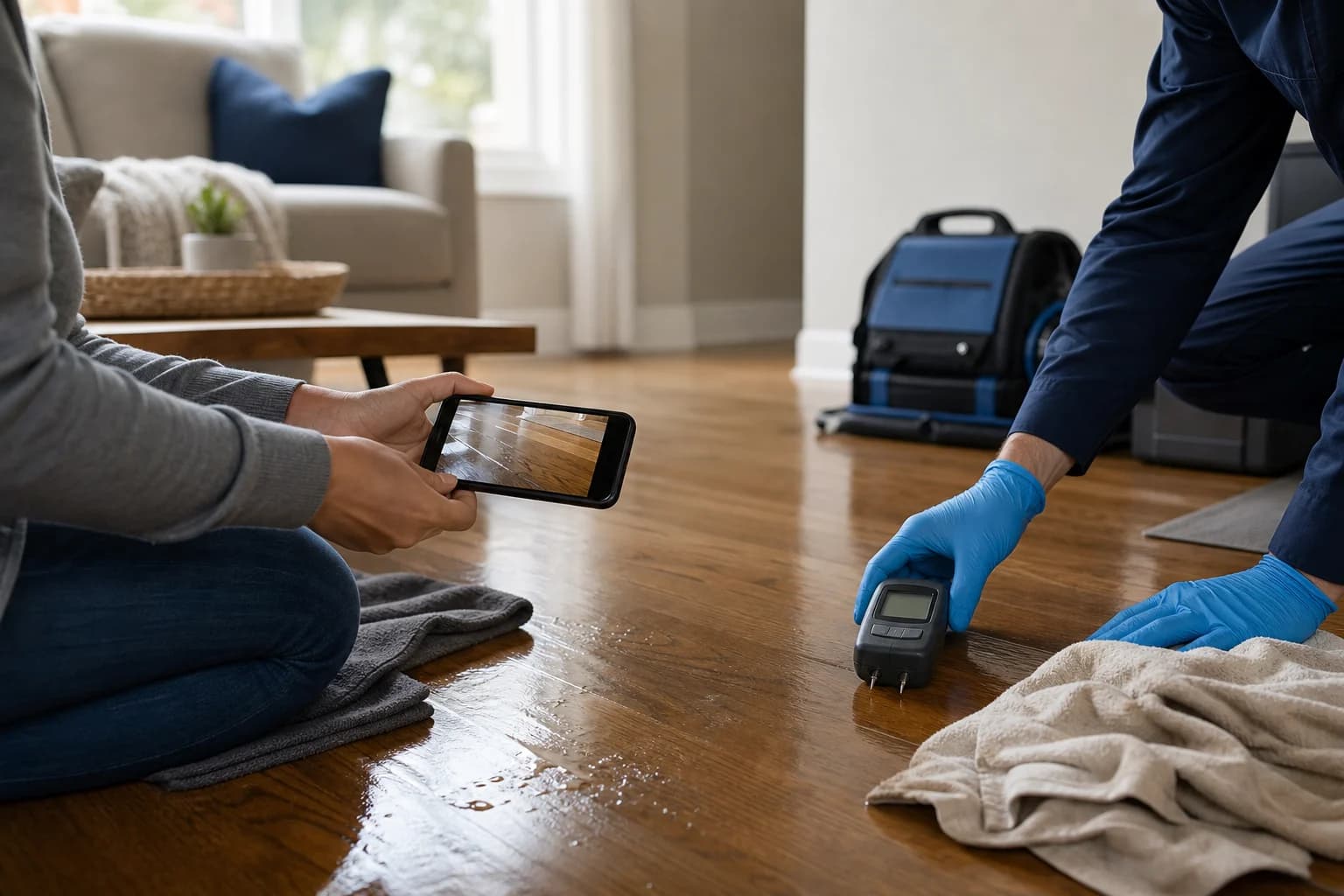
Not every water incident requires professional equipment or intervention. Small, surface spills confined to nonporous floors may be manageable with prompt drying. However, when water is widespread, persistent, contaminated, or suspected to have reached hidden areas, an on-site assessment is important. Restoration professionals can use moisture meters, thermal imaging to screen for temperature patterns, and their knowledge of building construction to trace the likely path of water and develop a practical drying plan.
Property owners should also consider professional help any time water is from a contaminated source such as sewage or floodwater. Handling these situations safely requires experience and specific sanitation measures. The pros that Water Restoration Pros connects property owners with are familiar with these protocols and can recommend steps appropriate for the situation and materials involved.
Every Hour Counts
Water damage only gets worse the longer it sits. Call Water Restoration Pros to get connected with restoration professionals that service your area and can begin water removal and drying quickly.
Call (833) 968-0848Frequently asked questions
How fast can water damage affect my property?
What are early warning signs of water damage spreading?
Do I need a professional every time there is water damage?
Sources reviewed (3)
- U.S. EPA - Mold Course Chapter 2: EPA guidance to dry wet building materials within about 24 to 48 hours when possible.
- U.S. EPA - Flooded Home: EPA safety and drying guidance for homes affected by floodwater, moisture, and mold.
- U.S. EPA - A Brief Guide to Mold, Moisture and Your Home: EPA guidance on moisture control, prompt drying, indoor humidity, and mold cleanup decisions.