When carpet becomes wet, property owners need to determine whether it can be dried and kept or if it must be removed and replaced. The answer depends on several factors, including the type of water involved, how long the carpet has been wet, and the condition of the padding underneath. Understanding these variables helps guide decisions about cleanup and restoration.
There is no universal rule for saving wet carpet. Clean water caught early often gives the best outcome, but contaminated water or long-standing moisture changes the approach. The following sections explain how to assess the situation, what clues to look for, and when to involve a professional for a more thorough evaluation.
Understanding Water Categories and Their Impact
The category of water that soaked the carpet is a major factor in determining whether it can be saved. Restoration professionals classify water by contamination level. Clean water typically comes from a broken supply line or appliance and is least likely to carry harmful substances. Gray water from sources like washing machines or dishwashers contains some contaminants. Black water, which includes sewage and floodwater, is heavily contaminated and considered a sanitation hazard. Carpets and padding affected by black water are commonly removed and disposed of rather than cleaned, due to the potential risks.
When the source of water is unclear, or if there are signs of sewage or outdoor flooding, it is safest to treat the situation as potentially hazardous. Direct contact with contaminated carpet should be avoided, and professional handling is strongly advised. Clean water incidents caught quickly offer the best chance for drying and saving carpet. As the level of contamination increases, the likelihood of salvage decreases.
- Clean water: Often from broken supply lines, may offer a higher chance of drying and saving carpet if addressed quickly.
- Gray water: Contains some contaminants; extra care is needed, and padding is often removed.
- Black water: Sewage or floodwater requires safe, professional removal of carpet and padding.
Contaminated Water Changes Everything
If carpet has been soaked by sewage, floodwater, or unknown sources, limit exposure and keep people and pets away. Restoration professionals are needed to handle these materials safely, and salvaging the carpet is rarely possible.
Timing and Padding: Why Speed and Layers Matter
How long the carpet has been wet plays a major role in whether it can be saved. Moisture can move quickly through carpet fibers into the padding and the subfloor. The longer these materials remain wet, the more likely odors and other issues become, and the harder they are to dry thoroughly. Early intervention improves the chances of effective drying and reduces the conditions that support unwanted growth.
Padding underneath carpet tends to soak up and hold water. While the carpet surface may appear or feel dry, the padding can stay saturated. In many cases, restoration professionals remove and replace the padding even if the carpet above can potentially be salvaged. Drying padding in place is often unsuccessful because hidden moisture can linger and cause ongoing issues. Quick response is important—if water has been sitting for more than a day or two, especially with thick padding, replacement is more likely to be needed.
Assessing the Damage: What to Look For
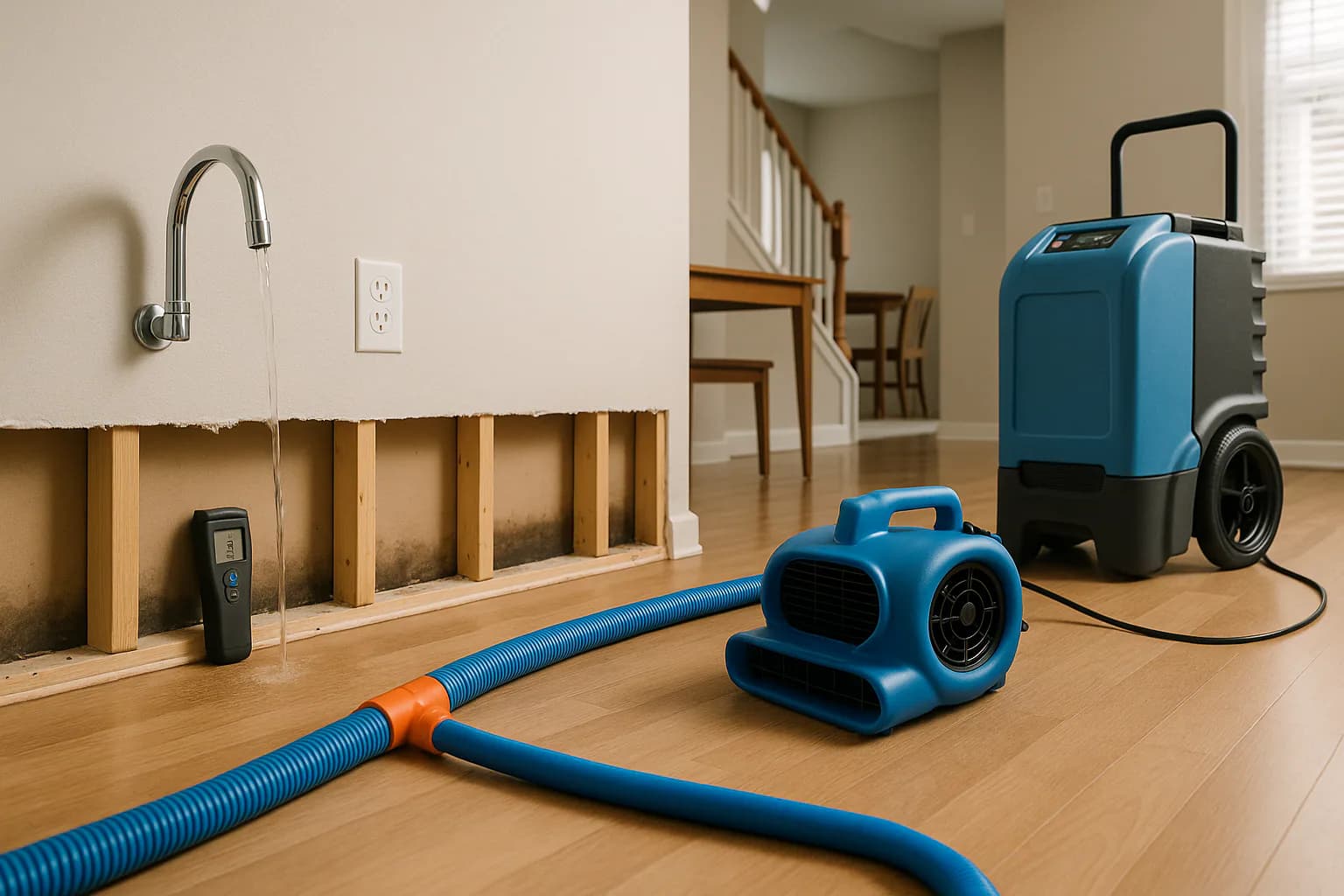
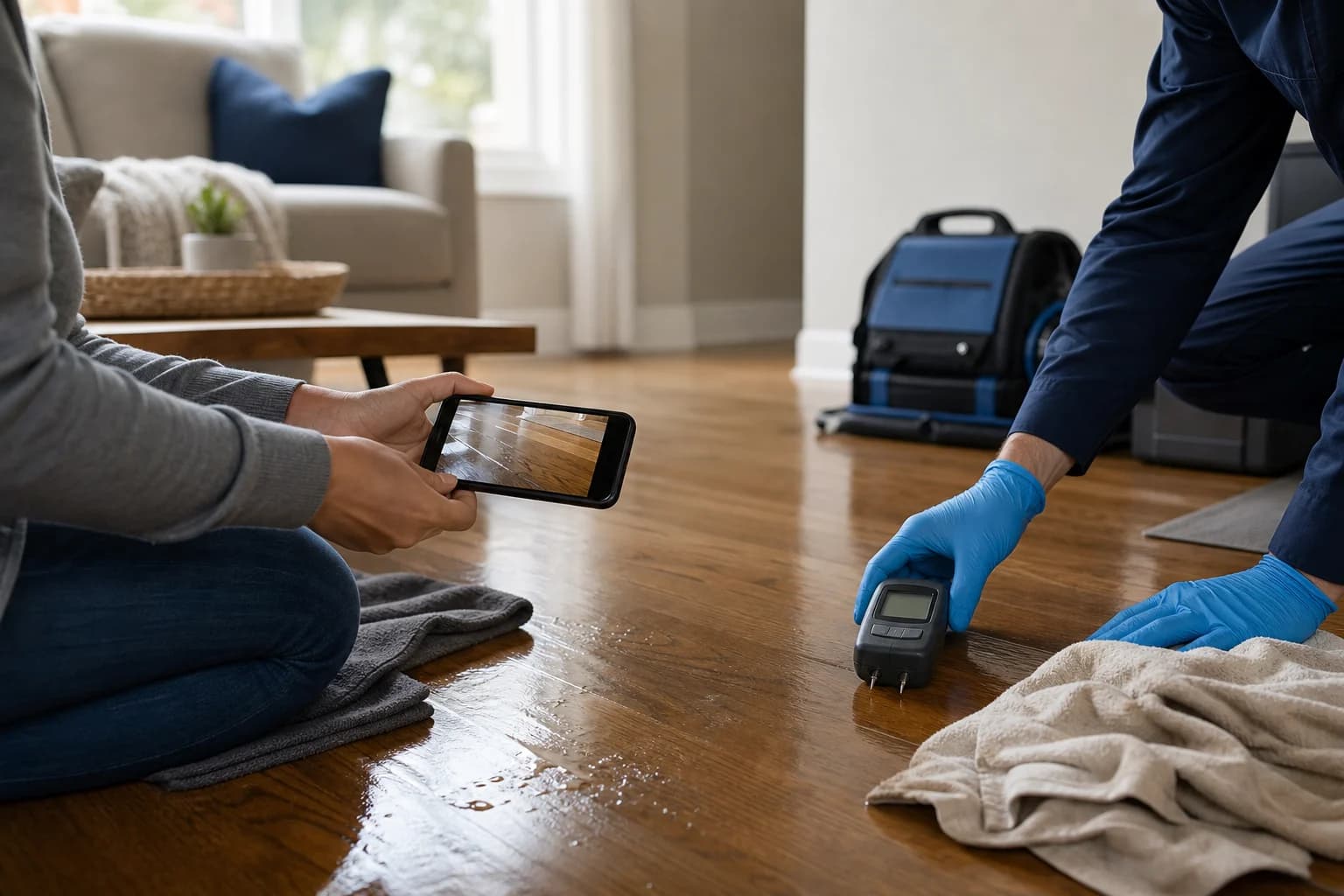
Homeowners can look for several clues to help determine the extent of water damage and whether the carpet might be saved. Persistent odors, discoloration, and dampness are signs that further investigation is needed. However, these clues are not always reliable indicators. Sometimes, the carpet feels dry on top while moisture lingers underneath. Restoration professionals often use moisture meters to measure how wet the carpet, padding, and subfloor truly are.
Thermal imaging cameras may be used to identify temperature differences that could suggest hidden dampness. If unusual temperature patterns are found, those areas should be checked with moisture meters or direct inspection before making a decision. Odors and stains can indicate water has penetrated below the surface, but a thorough moisture assessment is needed to be sure. If damage is widespread or water is contaminated, an on-site evaluation can help guide next steps.
- Identify the water source and consider the likely category.
- Check how long the carpet has been wet.
- Look beneath the carpet for dampness in the padding and subfloor.
- Note any persistent odors, staining, or surface changes.
- Consider calling a restoration professional for an on-site assessment if there is any doubt.
Dry in Place or Remove and Replace: Making the Decision
The decision to dry carpet in place or to remove and replace it depends on the combined factors of water type, duration, and material condition. When clean water is involved, the spill is caught quickly, and the area is limited, professionals may be able to extract the water and dry the carpet and padding in place. If gray or black water is present, the carpet has stayed wet for a prolonged period, or the padding cannot be reliably dried, removal and replacement become much more likely.
Restoration professionals use moisture meters or other tools to confirm that all layers reach a dry standard. They do not rely solely on the carpet’s appearance or feel. Delamination—when the carpet backing separates from the fibers—often means the carpet cannot be saved. Each situation is unique, and visible clues should be confirmed with proper testing and professional judgment. Attempting to dry contaminated or heavily saturated carpet without a thorough assessment can lead to hidden problems later.
Common Mistakes and Practical Steps
Some common mistakes can make water damage worse or reduce the chances of saving carpet. One is waiting too long to address the water, hoping it will dry on its own. Another is relying on surface dryness as proof that deeper layers are also dry. Using household fans alone may not be enough to dry thick padding or subfloor. Where water is contaminated, do not attempt to clean or dry carpet without proper equipment and protective procedures, as this can spread contaminants.
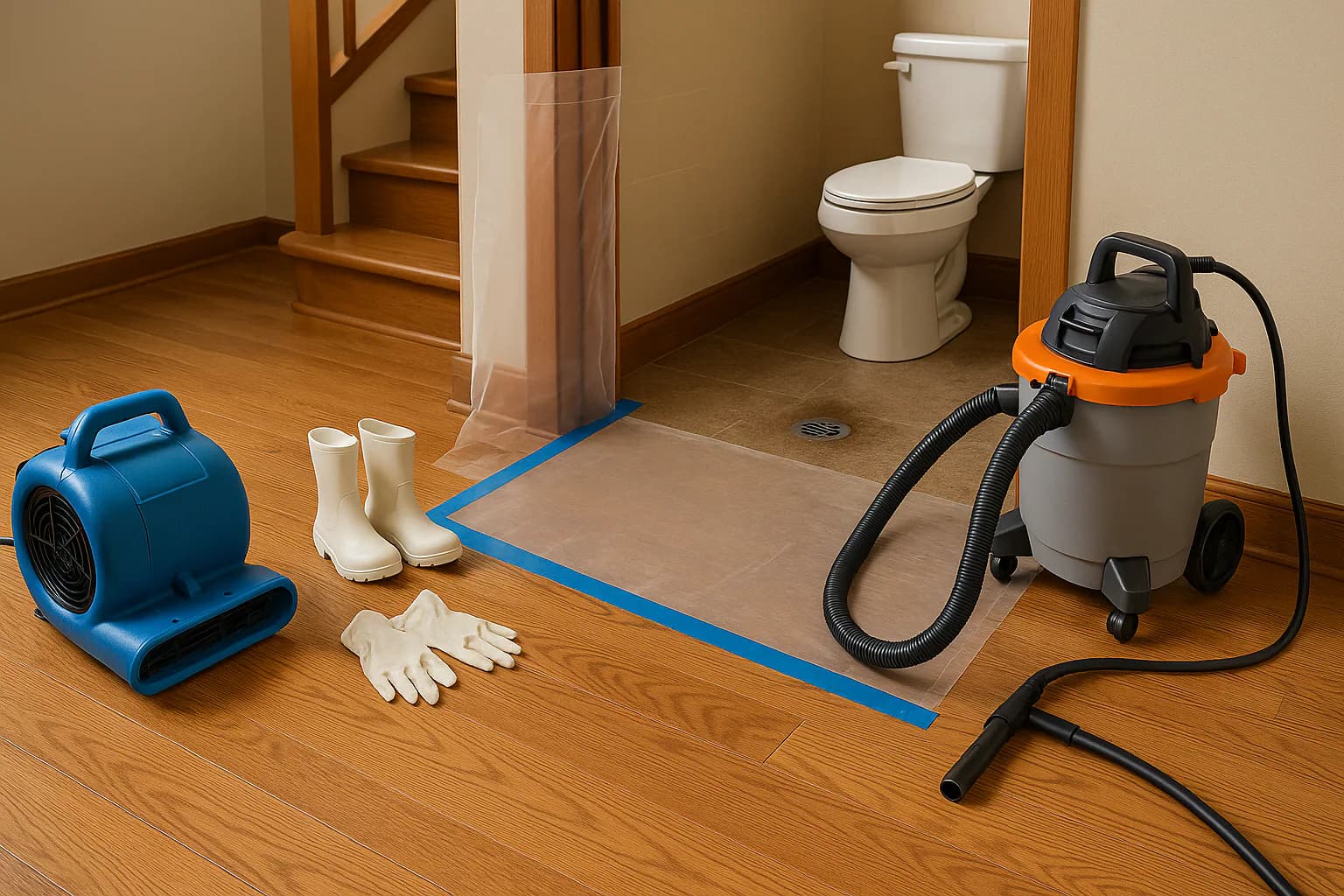
A practical approach is to act quickly, remove as much water as possible, and avoid unnecessary exposure to contaminated materials. If the water source is clean and the area is small, homeowners may be able to lift the carpet, remove wet padding, and use fans and dehumidifiers to speed drying. However, if there is any uncertainty about the water category, the spread of moisture, or the ability to dry all layers, connecting with a restoration professional is recommended.
When to Involve a Professional Assessment
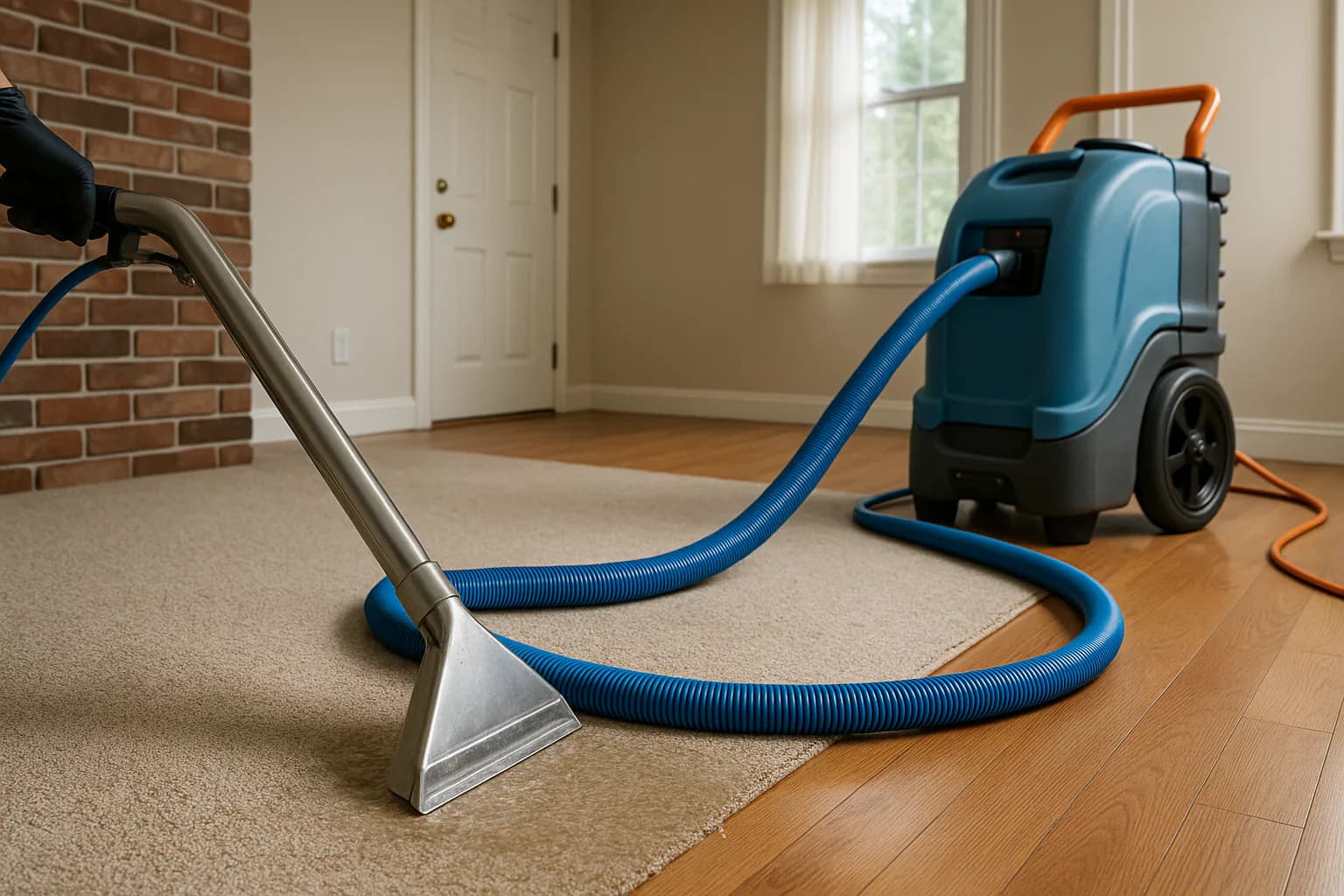
Not all wet carpet situations require professional intervention, but certain scenarios benefit from on-site expertise. If the water is contaminated, widespread, or remains after initial drying efforts, restoration professionals have specialized tools to locate and measure hidden moisture. They can recommend whether drying, removal, or further action is needed based on their findings. Professional grade extraction equipment and drying systems are particularly helpful for larger losses or when moisture has reached the subfloor.
Homeowners dealing with smaller, clean-water spills that are caught quickly may be able to handle drying on their own. For more extensive or uncertain cases—especially where odors, discoloration, or persistent dampness remain—an on-site assessment helps ensure that all wet materials are identified and treated. This reduces the risk of overlooked moisture and the conditions that allow mold to grow.
Related Services
Want to Know if Yours Can Be Saved?
The sooner wet carpet is assessed and dried, the better its chances. Call Water Restoration Pros to get connected with restoration professionals that service your area and can evaluate the carpet, extract the water, and dry what can be saved.
Call (833) 968-0848Frequently asked questions
How long can carpet stay wet before it has to be replaced?
Does the padding always have to be removed?
Can carpet soaked by sewage or floodwater be cleaned?
Sources reviewed (3)
- U.S. EPA - Mold Course Chapter 2: EPA guidance to dry wet building materials within about 24 to 48 hours when possible.
- U.S. EPA - Flooded Home: EPA safety and drying guidance for homes affected by floodwater, moisture, and mold.
- U.S. EPA - A Brief Guide to Mold, Moisture and Your Home: EPA guidance on moisture control, prompt drying, indoor humidity, and mold cleanup decisions.