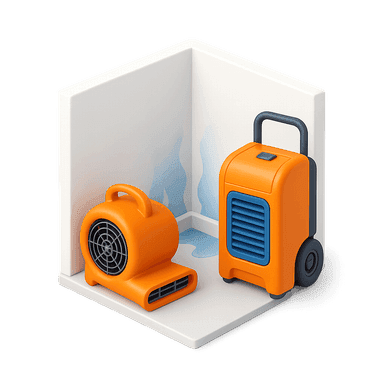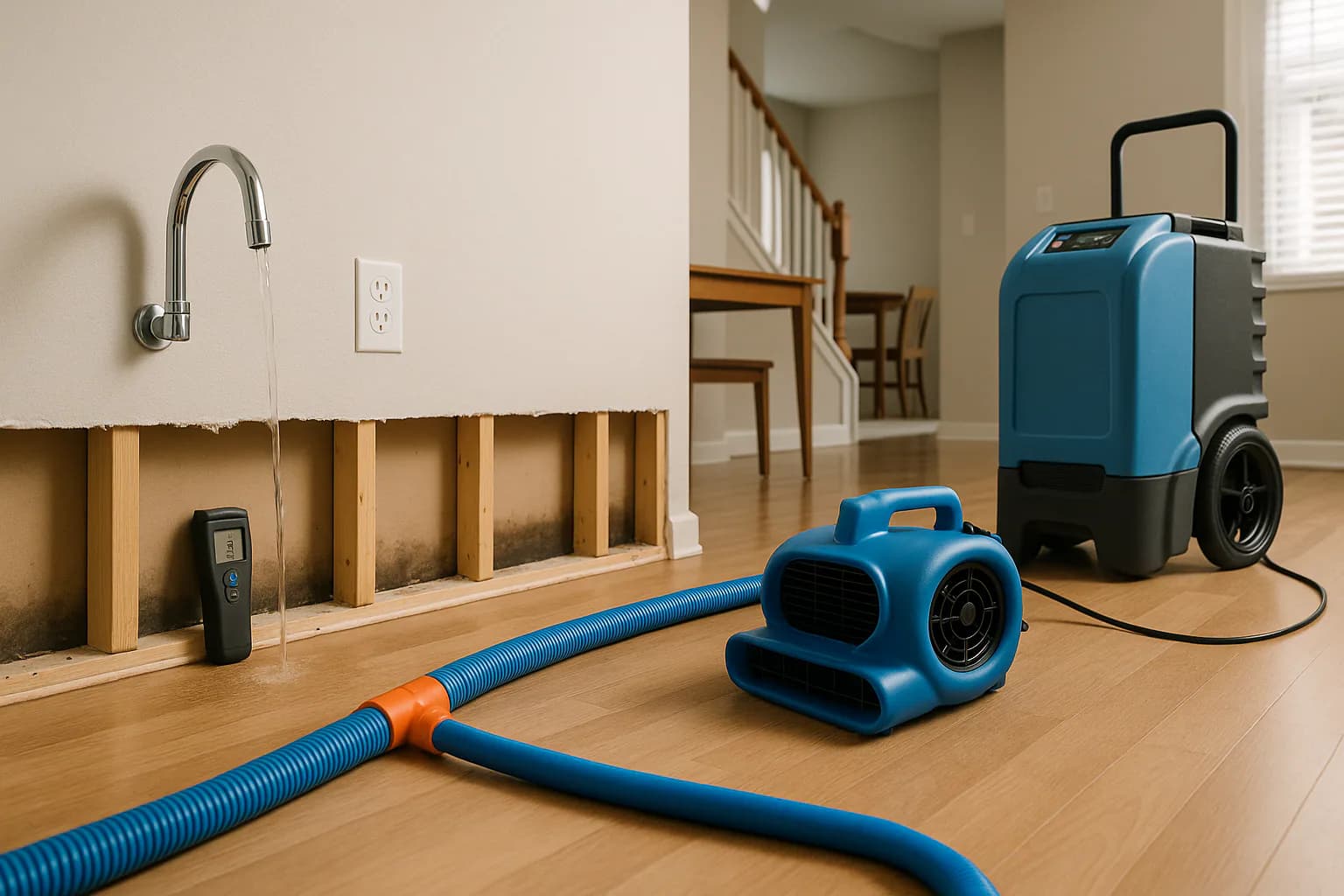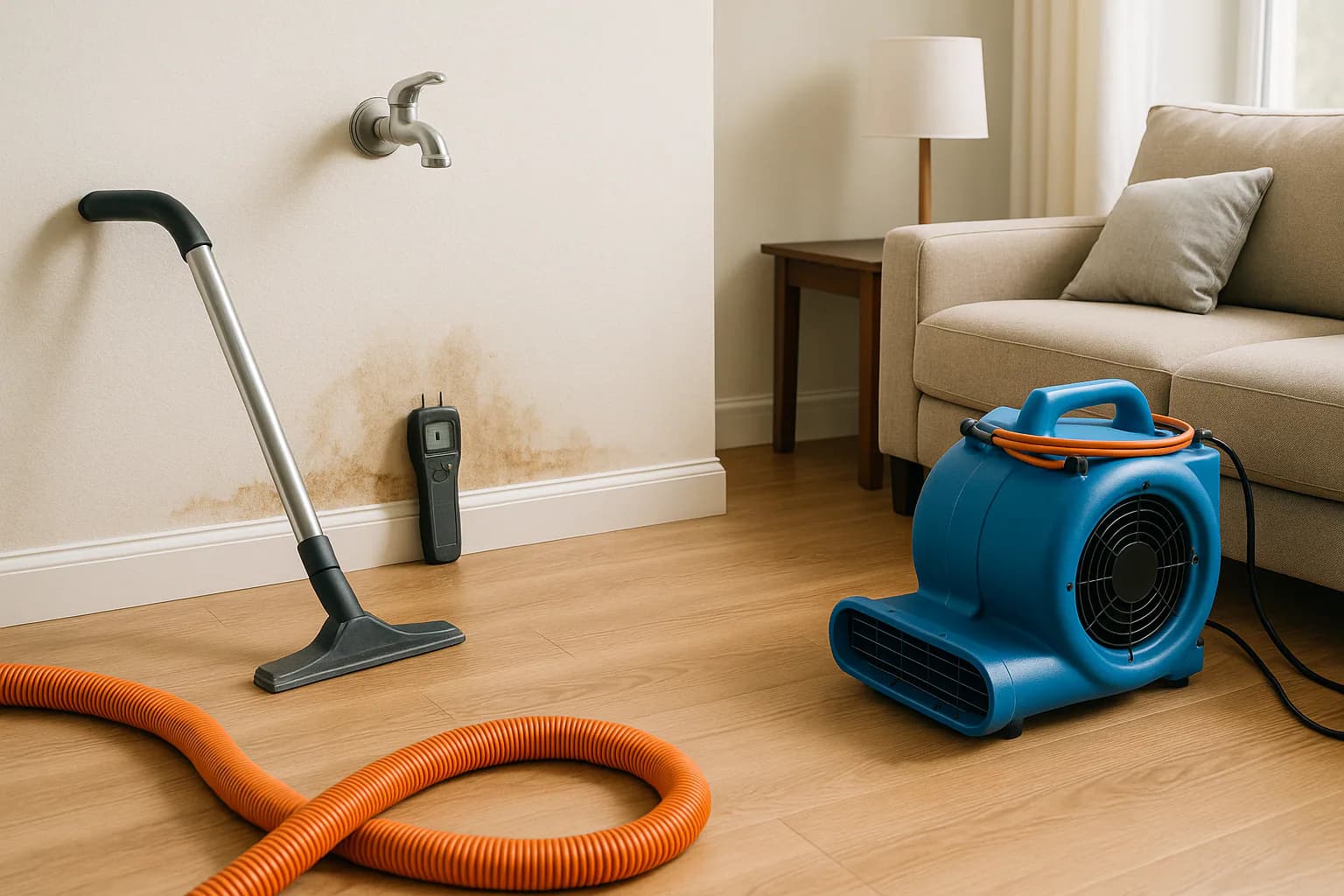
When water damage strikes, many homeowners ask, "Does wet insulation need to be replaced? " The answer varies based on insulation type and water source. Wet insulation can lead to mold growth and reduced efficiency, so it's crucial to address it promptly. The type of water—clean or contaminated—affects decisions significantly. With timely intervention, some insulation may be salvaged, but other scenarios necessitate replacement to prevent long-term issues. Understanding these variables helps homeowners make informed decisions.
Whether dealing with a burst pipe or flood, understanding how different types of insulation react to water is essential for making informed decisions. This guide explores various insulation materials, the impact of clean versus contaminated water, and the hidden risks of moisture retention. By learning the characteristics and vulnerabilities of each insulation type, homeowners can better manage water damage scenarios and mitigate potential risks to their property.
The Short Answer, by Insulation Type
Different types of insulation react uniquely to water exposure. Here's a quick rundown. Fiberglass batts, for instance, are often salvageable if they come into contact with clean water and are dried quickly. However, they lose R-value when they become saturated, impacting their thermal resistance. If left wet, they can serve as a breeding ground for mold, making prompt drying essential. Professional assessment can determine if drying or replacement is the best course.
- Fiberglass batts: Often salvageable with clean water if dried quickly, but loses R-value when saturated.
- Cellulose: Usually needs replacement as it holds water and dries slowly.
- Spray foam: Closed-cell is largely water-resistant, while open-cell can hold moisture.
- Rigid foam: Generally remains unaffected by water exposure.
Cellulose insulation, on the other hand, is typically composed of recycled paper products, making it highly absorbent. Once wet, it tends to slump and lose its insulating properties. Because it dries slowly, cellulose is often beyond salvage and must be replaced, especially if exposed to contaminated water. Spray foam insulation varies by type. Closed-cell spray foam typically resists water, while open-cell foam can absorb moisture. Moisture-laden open-cell foam may need removal and replacement to reduce the conditions that allow mold growth.
Clean Water vs Contaminated Water
The type of water that causes the damage plays a significant role in determining whether insulation needs replacement. Clean water, such as from a broken pipe or rain, may allow for salvage in some cases. However, if the water is categorized as gray or black, replacement is usually necessary. Clean water, known as Category 1, involves the lowest risk and often allows for insulation drying and salvage if action is taken quickly.
- Identify the insulation material and whether it has compressed, shifted, or lost its loft.
- Confirm whether the water source introduced contaminants that change cleaning and removal decisions.
- Use cavity moisture readings and access conditions to determine whether the assembly can dry completely.
Gray water, or Category 2, contains some contaminants and poses a higher risk than clean water. It might come from appliances or bathwater and typically requires more extensive drying and sanitation. In many cases, professionals recommend replacing affected insulation to ensure safety and hygiene. Category 3, or black water, is highly contaminated, often originating from sewage or floodwaters. This type of water necessitates complete insulation replacement due to the health hazards and contamination level.
Why Wet Insulation Is a Hidden Moisture Problem
Wet insulation can create hidden issues by keeping wall cavities damp beyond the 24–48 hour drying window recommended by the EPA. This prolonged moisture can lead to mold growth and structural damage. The insulation may continue to hold moisture, creating a conducive environment for mold spores to thrive. Mold not only damages building materials but can also spread to other areas, compounding the problem. Hidden moisture can also lead to wood rot and structural weakening over time.
Mold Risk Alert
If wet materials aren't dried within 24–48 hours, mold growth becomes a concern. Moldy areas over 10 sq ft generally require professional remediation.
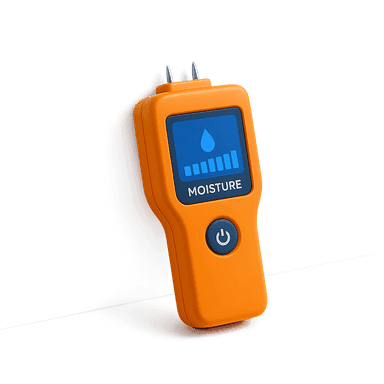
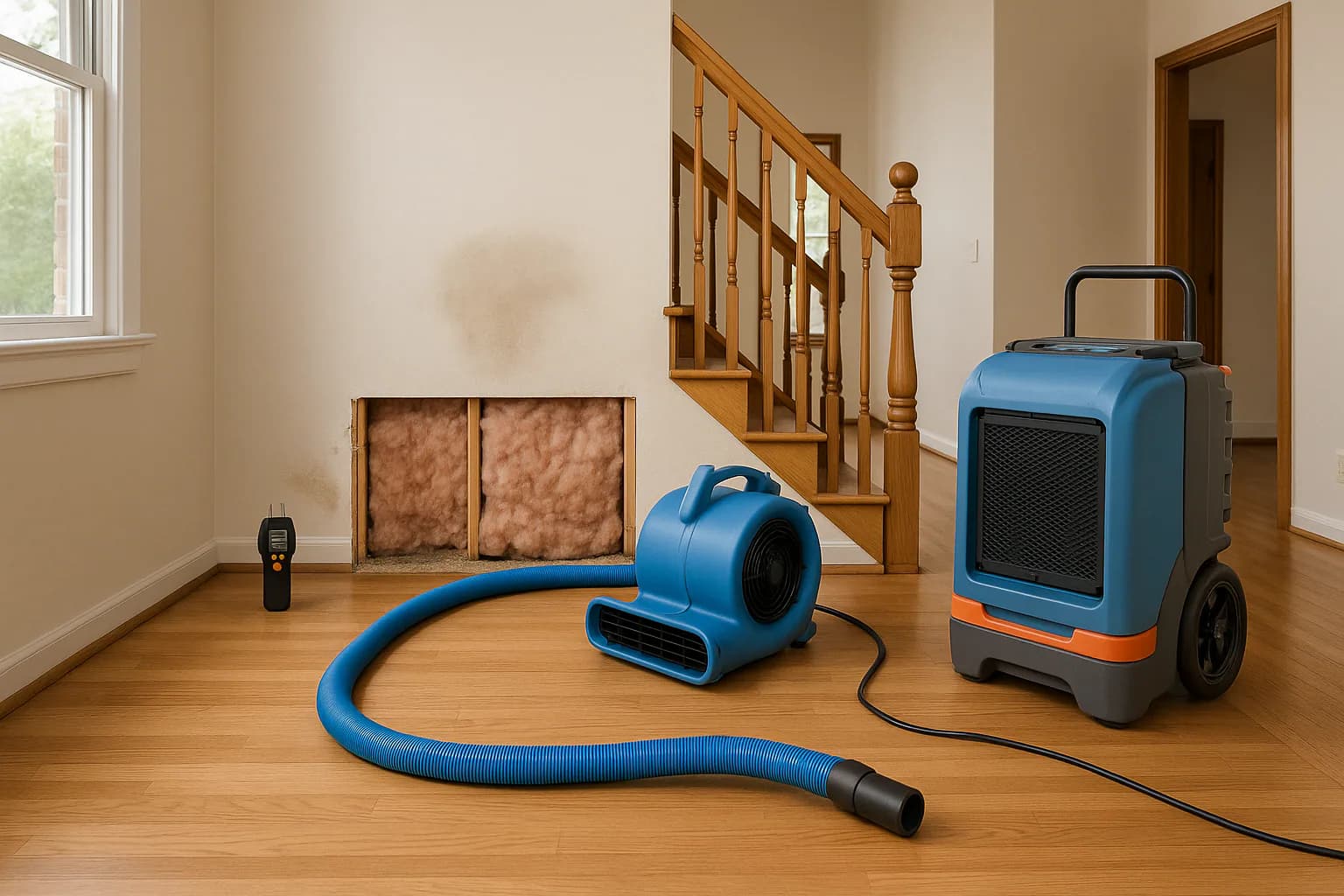
Insulation trapped within walls, especially in hard-to-reach areas, can be particularly problematic. Even if the surface appears dry, moisture can linger within, unnoticed. This underscored the importance of using moisture meters and other detection tools to assess the full extent of water damage. Restoration professionals use specialized equipment to supports documented drying and can provide recommendations on whether insulation can be saved or should be replaced.
Attics, Walls, and Crawl Spaces
Wet insulation in attics, walls, and crawl spaces poses unique challenges. In attics, wet insulation can reduce energy efficiency by allowing heat transfer, leading to higher energy bills. Water intrusion in attic spaces often stems from roof leaks or condensation, requiring a thorough inspection to address the source of moisture. Professionals may need to remove sections of insulation to dry the area effectively and prevent moisture from spreading.
- 1
Inspect the Area
Check for visible water damage and assess the extent of moisture.
- 2
Evaluate Insulation Type
Determine the type of insulation and its condition.
- 3
Consult a Professional
Contact a local pro for an assessment and recommendations.
In walls, wet insulation can trap moisture, leading to mold growth and potential structural damage. Wall cavities often harbor moisture longer than exposed areas, making them prone to hidden mold growth. Crawl spaces, due to their limited access and tendency to collect moisture, present additional challenges. Poor ventilation and high humidity levels in crawl spaces can exacerbate moisture issues, making professional intervention crucial for proper drying and mold prevention.
When Replacement Is Actually Cheaper
Sometimes, replacing insulation is more cost-effective than prolonged drying and monitoring. If the damage is extensive or involves contaminated water, replacement can prevent future issues and restore efficiency. Replacing insulation can be a wise investment, ensuring that the property is not only safe from mold but also energy-efficient, which can lead to savings on heating and cooling costs over time. Use a current itemized estimate because source, contamination, affected materials, drying time, and repairs can change the total.
Deciding between drying and replacement involves assessing the extent of water damage, the type of insulation, and the contamination level. Affected areas that are small and contain clean water might only require drying. However, larger areas, contamination, or significant structural impact often make replacement the more practical choice. Consulting with restoration professionals can provide clarity on the most effective and economical approach to restoring the property.
Connect with Local Pros
Need Help with Wet Insulation?
Connect with experienced local pros through Water Restoration Pros. Address wet insulation issues effectively and prevent future problems.
Call (833) 968-0848Frequently asked questions
What is the typical cost to replace wet insulation?
Can wet insulation cause mold?
Does homeowners insurance cover wet insulation replacement?
Sources reviewed (2)
- U.S. EPA - Mold Course Chapter 2: EPA guidance to dry wet building materials within about 24 to 48 hours when possible.
- U.S. EPA - A Brief Guide to Mold, Moisture and Your Home: EPA guidance on moisture control, prompt drying, indoor humidity, and mold cleanup decisions.