Renters insurance may cover some water damage to personal belongings, but coverage depends on the cause of the loss and the language in the policy. These policies are generally designed for sudden and accidental events, not gradual leaks or long-term moisture problems. The building itself is usually the landlord’s responsibility, while the tenant’s policy may apply to covered losses involving personal property.
How Renters Insurance Usually Splits the Damage
A renters policy typically focuses on the tenant’s belongings, such as furniture, clothing, and electronics. Damage to walls, floors, ceilings, and other parts of the structure is usually handled through the landlord’s insurance and maintenance responsibilities. Some policies also include loss of use coverage if a covered water event makes the unit temporarily unlivable, but that depends on the policy terms.
Reading the policy closely matters because insurers do not treat every water event the same way. The cause, the timing, and the exact wording of the policy all affect whether a claim may be covered.
Sudden Damage vs. Gradual Leaks
Renters insurance commonly draws a line between sudden, accidental water damage and damage that develops over time. A burst pipe or a sudden appliance failure may be treated differently from a slow leak or ongoing seepage. Gradual moisture problems are often excluded, so the source of the water is important.
When the cause is unclear, signs such as staining, warped materials, or persistent dampness may suggest that moisture has been present for some time. In those situations, a careful inspection can help determine where the water came from and how far it spread.
Flooding and Sewer Backups Are Often Separate
Standard renters insurance typically does not cover water damage from external flooding, such as rising water from storms or overflowing rivers. Coverage for that kind of loss is usually handled through a separate flood policy, if one is in place. Renters should review their own policy and ask the insurer what is included before a loss occurs.
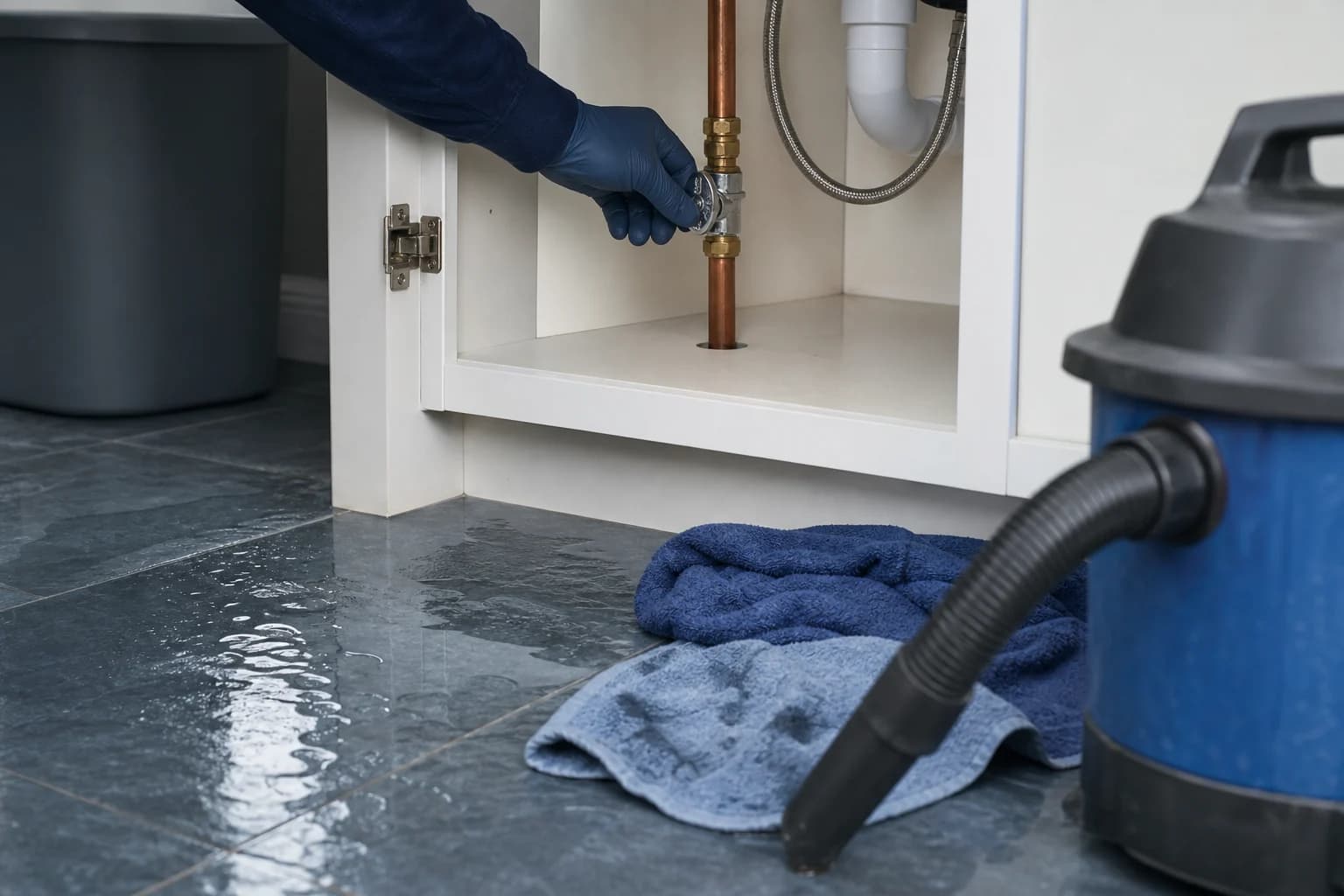
Sewer backups and contaminated water are also often excluded from standard renters policies. Because this water may be contaminated, safe handling and professional sanitation may be needed. If the source involves black water or another contaminated condition, avoid direct exposure and follow public-health guidance.
What to Do Right After Water Damage
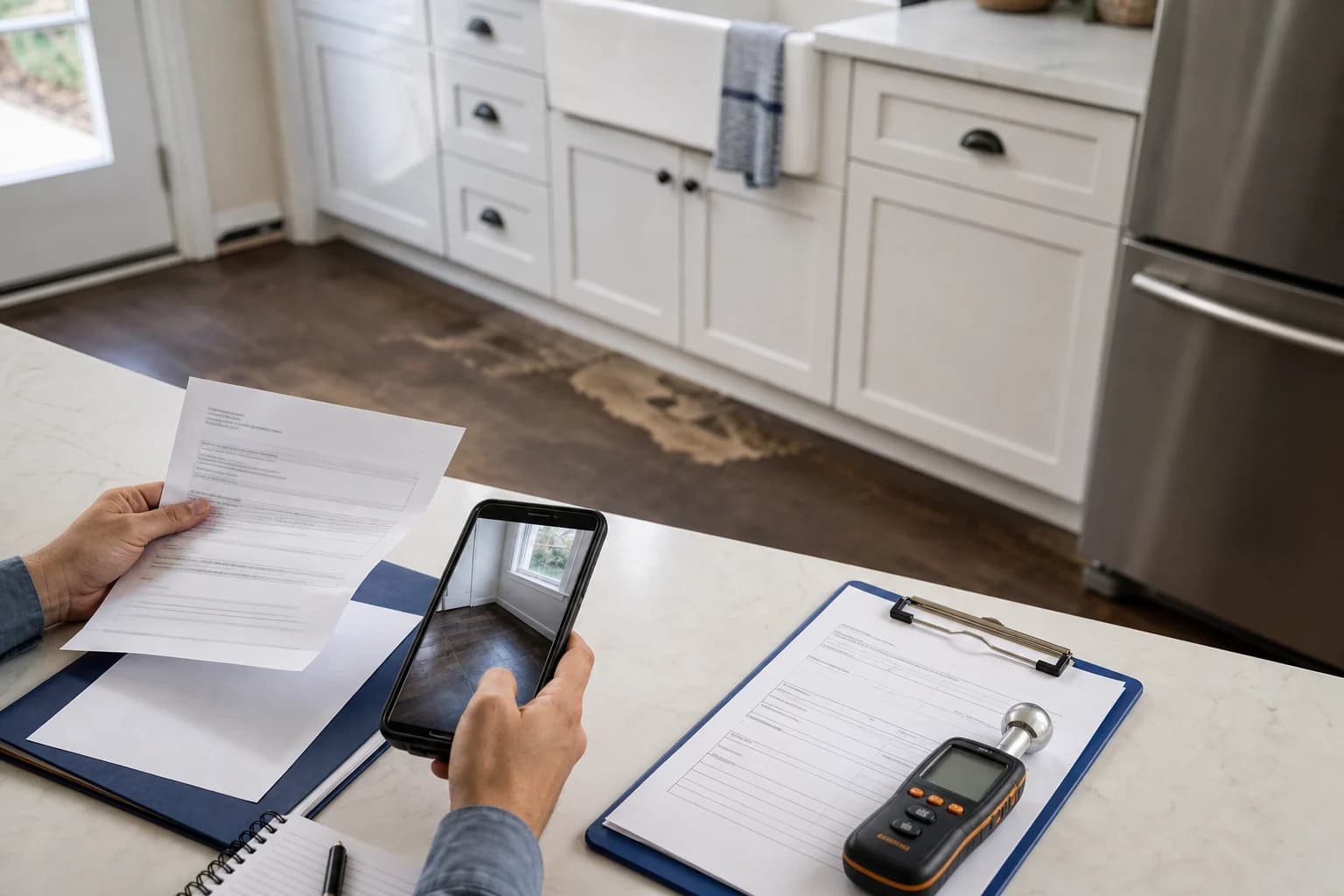
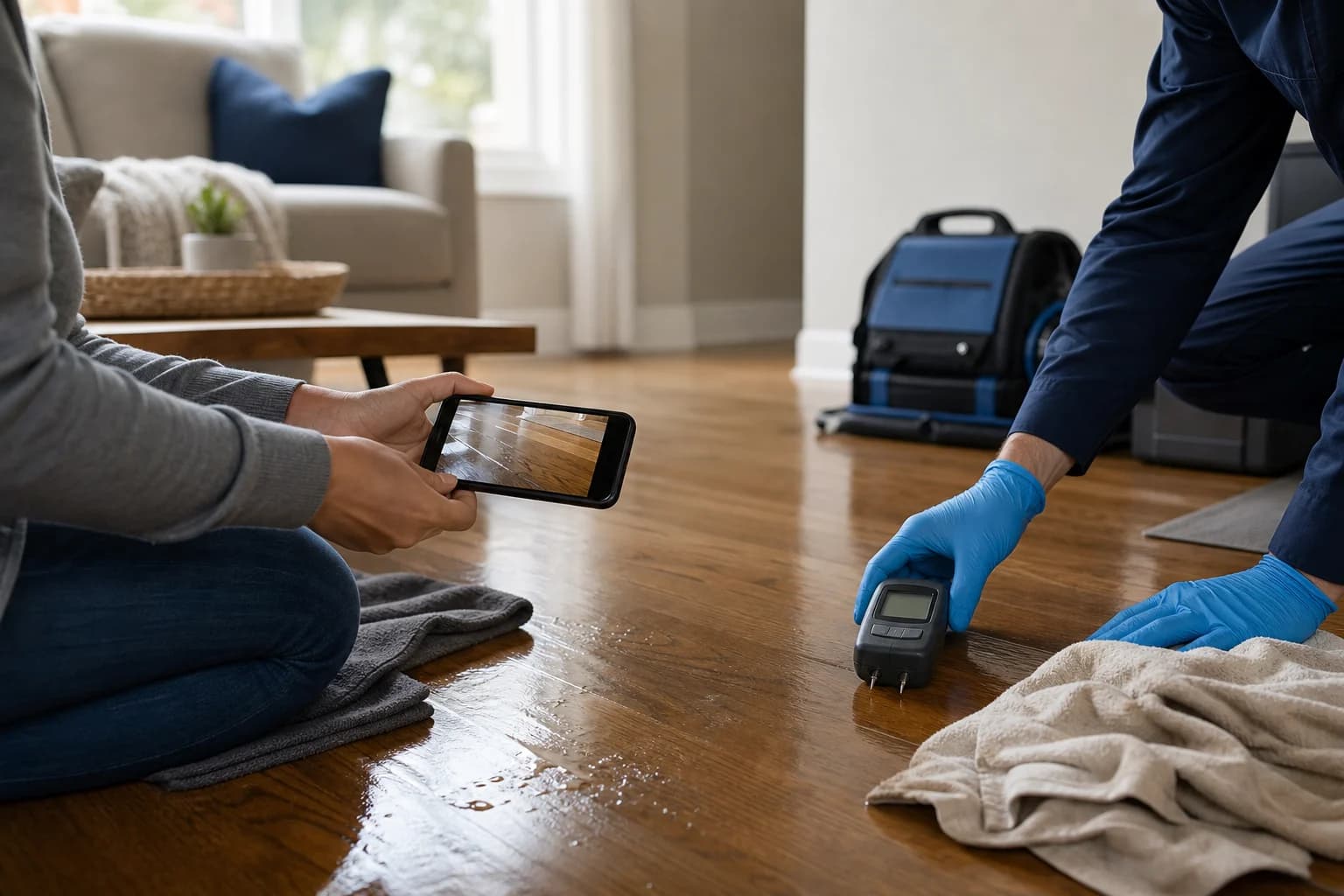
The first step is safety. Do not enter standing water if electrical equipment may be involved or if the water may be contaminated. After the area is safe, document the damage with photos or videos and make a list of affected belongings. Keep receipts for emergency purchases or cleanup-related expenses.
The landlord or property manager should be notified promptly, and the insurer should be contacted as soon as practical. Claim handling is easier when the facts are recorded early and clearly. Documentation can also help support conversations with the insurer and any adjuster who reviews the loss.
How Documentation Helps a Claim
Insurance guidance from the NAIC emphasizes reporting the claim, documenting damage, and keeping records of repairs, receipts, and meetings with the adjuster. A clear inventory of damaged items can also help show what was affected. Photos, videos, and written notes are useful because they capture the condition of the unit before cleanup changes the scene.
If a contractor or restoration professional is needed, it helps to keep copies of estimates and repair records. The insurer may review the cause of loss, the scope of damage, and the supporting documentation when evaluating the claim.
When a Restoration Professional May Be Helpful
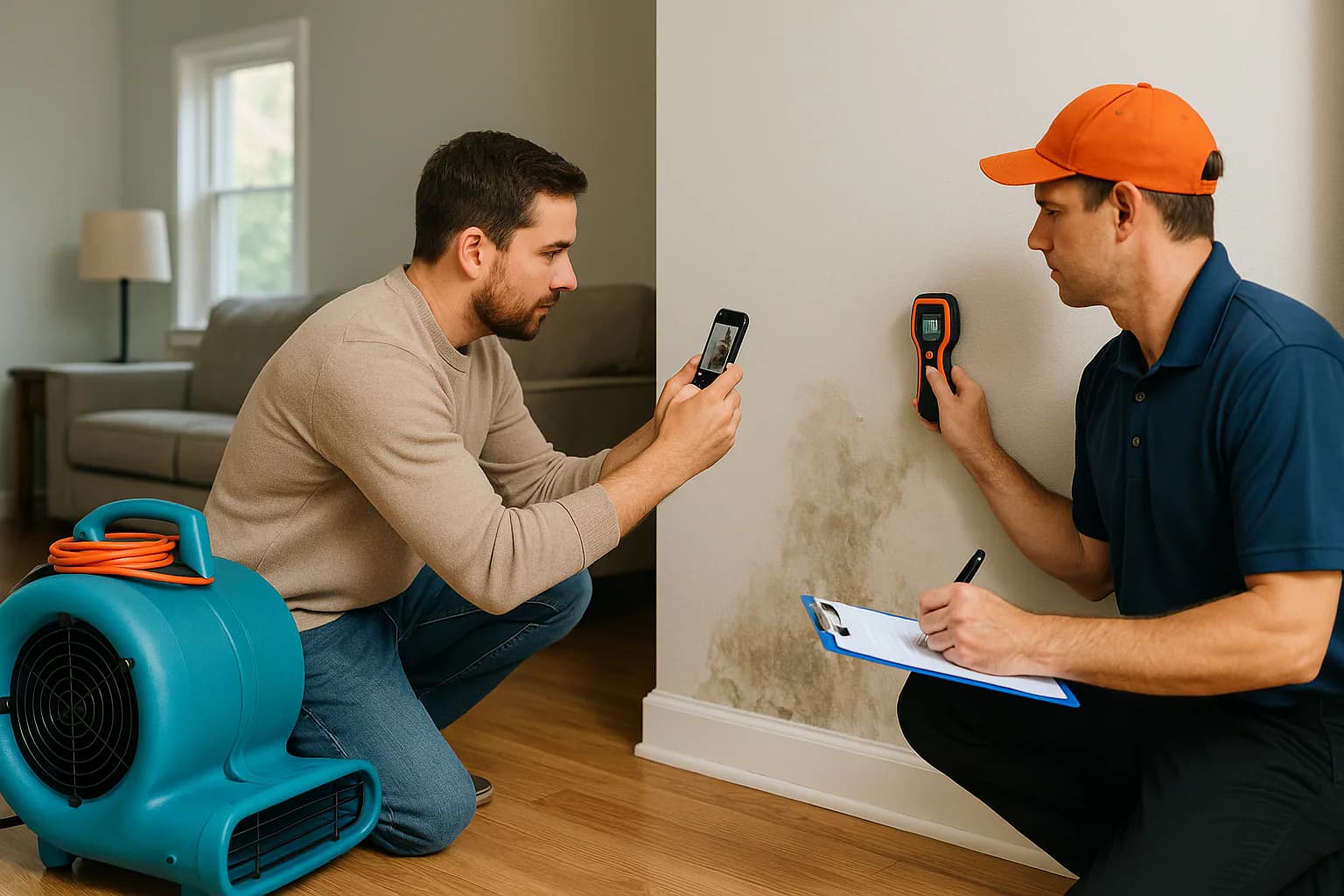
A local pro can be useful when water has spread beyond a small area, when moisture may be hidden behind walls or under flooring, or when the source is not obvious. Thermal imaging can help screen for temperature patterns that suggest moisture, but it does not prove water intrusion or mold by itself. Direct measurement or inspection is still needed to confirm the condition.
If materials are wet, prompt drying matters. EPA guidance says wet building materials should be dried as soon as possible, ideally within about 24 to 48 hours when conditions allow. Fast drying reduces the conditions that allow mold to grow, but it does not support prevention or complete removal.
Moisture Control and Mold Concerns
When water damage affects indoor materials, the main priority is moisture control. The EPA advises prompt drying and keeping indoor humidity in check. If the area stays damp, mold cleanup decisions may depend on the extent of the wetting and the materials involved.
Visible mold, lingering dampness, or repeated moisture problems are signs that further attention may be needed. The goal is to remove wet materials when appropriate, dry what can be saved, and address the source of the water so the area does not stay wet.
Common Mistakes to Avoid
Delaying notice to the landlord or insurer can make the claim process harder. Another common mistake is cleaning up too quickly without documenting the damage first. Discarding damaged items before photographing them or listing them can also weaken the record of loss.
It is also important not to assume that every water event is covered. The cause of the damage, the policy language, exclusions, endorsements, limits, deductible, and claim facts all matter. Reviewing the policy and asking the insurer for clarification can prevent avoidable confusion.
Review the Policy Before the Next Loss
Renters insurance can be helpful for some water-related losses, but it is not a blanket promise. Coverage depends on the specific event and the policy terms. A careful review of the policy can show what is covered, what is excluded, and whether additional protection may be available through separate coverage options.
Need Help Right Now?
While you sort out your claim and coordinate with your landlord, water keeps causing damage. Call Water Restoration Pros to get connected with restoration professionals that service your area and can start mitigation and document the damage.
Call (833) 968-0848Frequently asked questions
Does renters insurance cover water damage to my belongings?
Does renters insurance usually cover flooding?
Are sewer backups covered by renters insurance?
What should a renter do first after water damage?
Why does fast drying matter after water damage?
Sources reviewed (4)
- NAIC - What You Need to Know When Filing a Homeowners Claim: NAIC guidance on reporting a claim, documenting damage, deductibles, contractors, and adjuster meetings.
- NAIC - Consumer Homeowners Insurance: NAIC consumer information on homeowners coverage, exclusions, inventories, and policy review.
- U.S. EPA - A Brief Guide to Mold, Moisture and Your Home: EPA guidance on moisture control, prompt drying, indoor humidity, and mold cleanup decisions.
- U.S. EPA - Mold Course Chapter 2: EPA guidance to dry wet building materials within about 24 to 48 hours when possible.