Can you stay home during water damage restoration? In some cases, yes. In others, contamination, electrical hazards, access limits, drying equipment, or demolition make staying home impractical. The pros Water Restoration Pros connects with can help assess the affected areas and explain what living in the home may look like during cleanup and drying.
The short answer: it depends on the damage
Whether a homeowner can remain in place depends on the source of the water, how far it spread, and which rooms are affected. A small, contained loss in one area may be easier to work around than damage that reaches kitchens, bathrooms, or multiple rooms. If the affected space cannot be isolated, staying home may be difficult.
Floodwater and sewage-related losses need especially careful handling because they may be contaminated. In those situations, the pros in your area may recommend avoiding affected areas until cleanup and sanitation are complete and the home is safe to reoccupy.
Safety comes first after flooding
After flooding, the CDC advises caution around electrical hazards, standing water, and damaged systems. A home should not be entered if there are unsafe conditions such as energized equipment, visible electrical damage, or water where electrical hazards may be present. Ventilation and cleanup should be handled carefully, with attention to safety and public-health guidance.
If a space has standing water or uncertain electrical conditions, a local pro may advise waiting before reentry or limiting access to only the safest areas. Staying home is only practical when the home can be occupied without exposing people to avoidable hazards.
Drying equipment can change daily routines
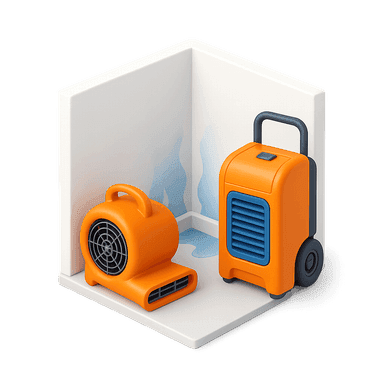
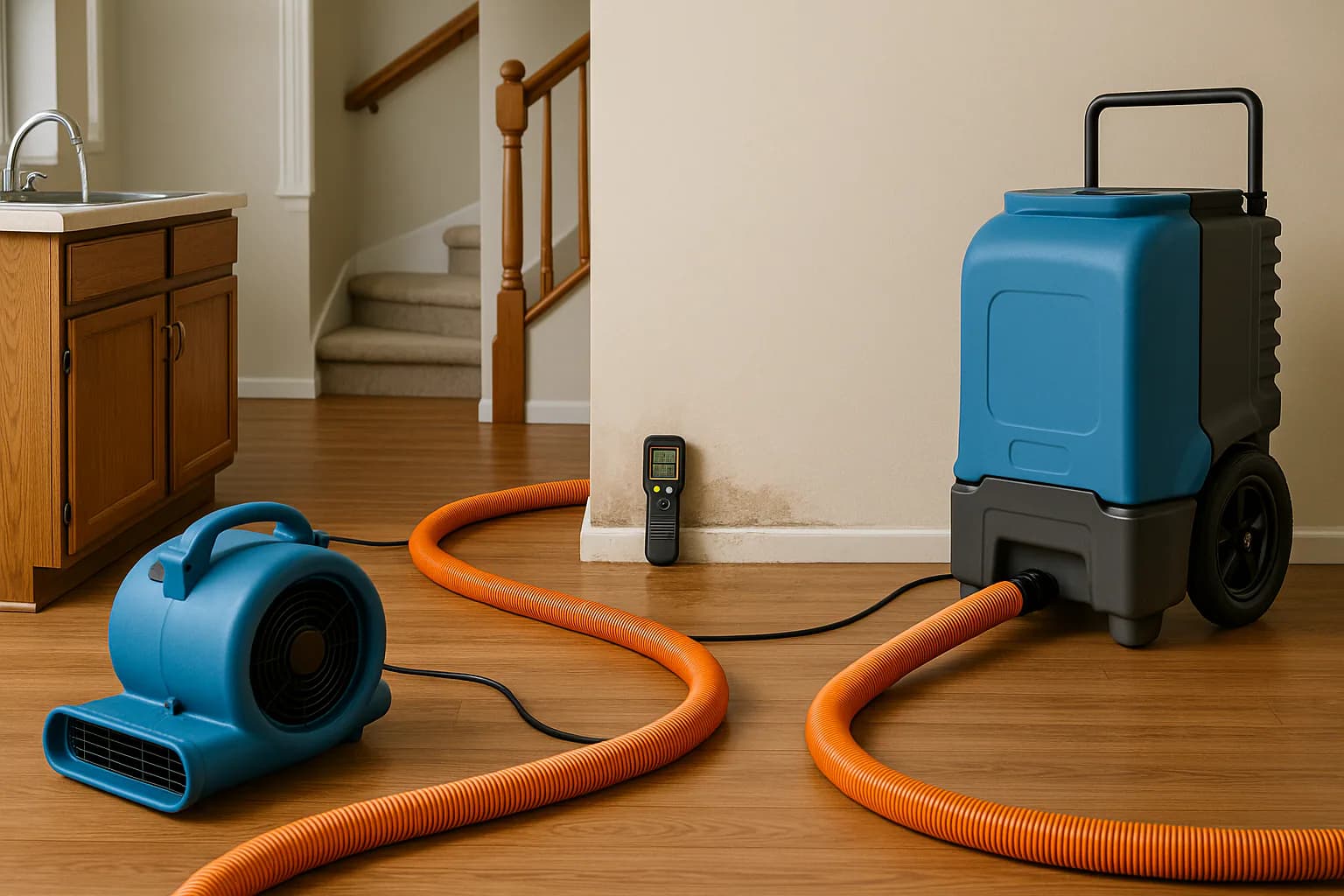
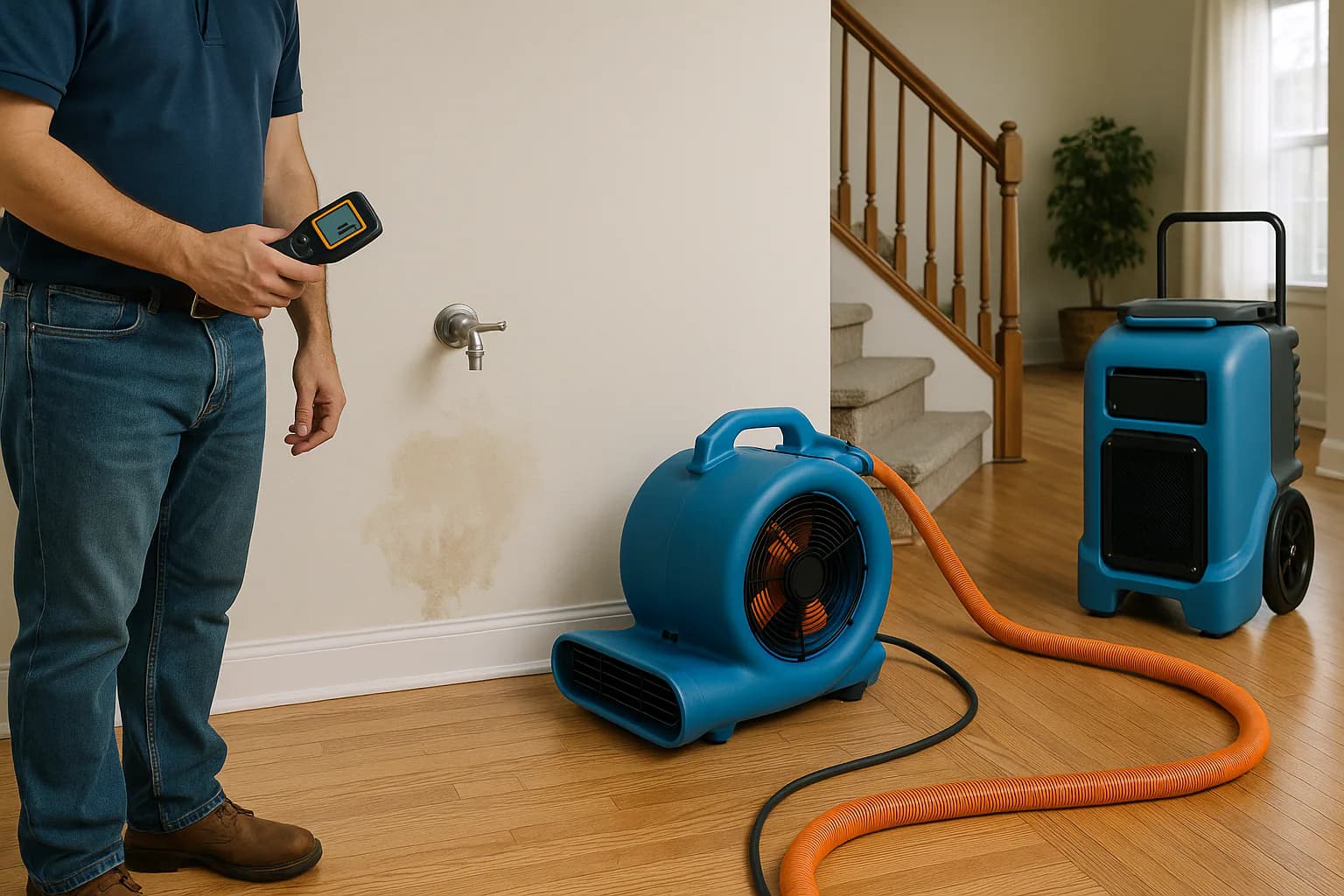
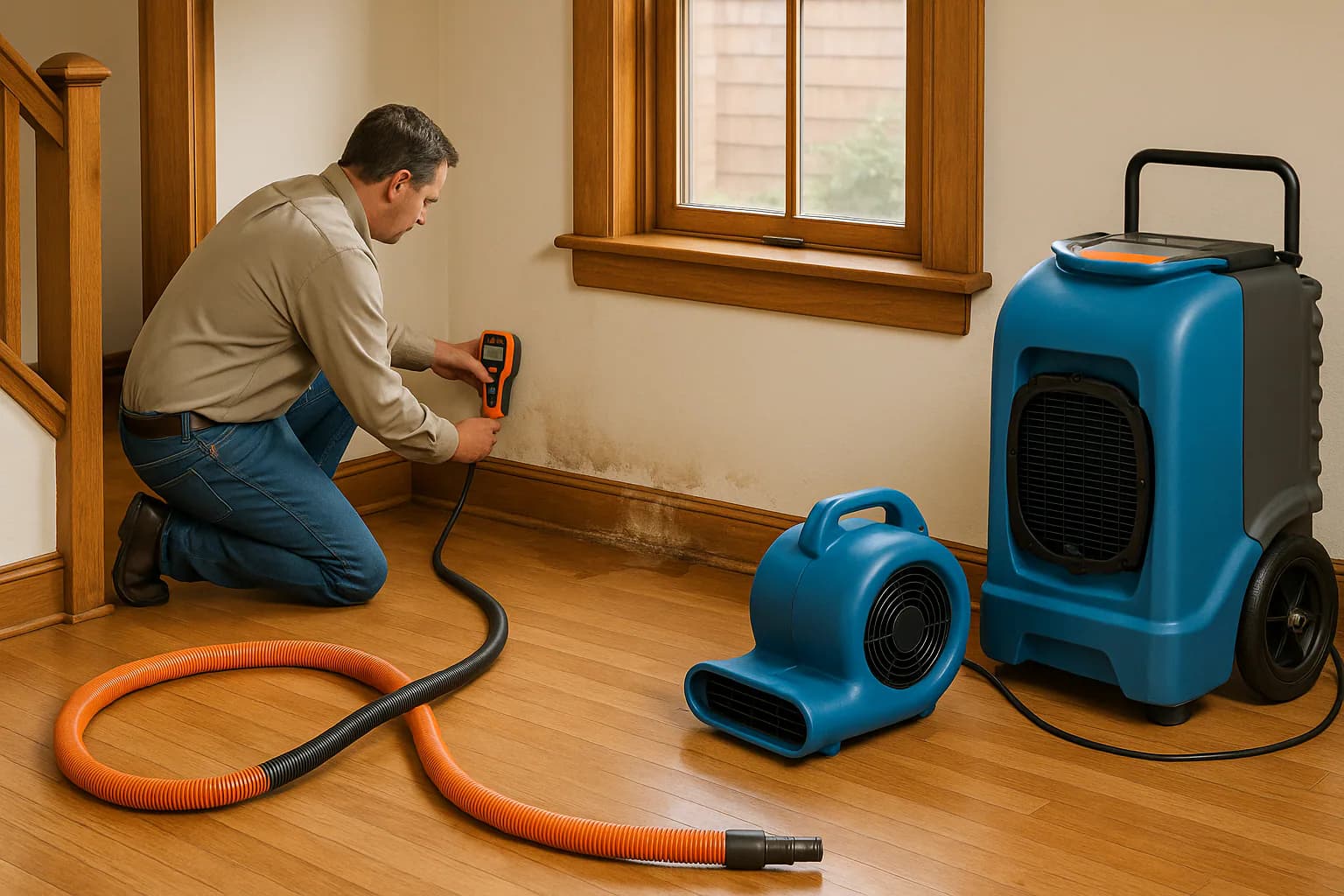
Dehumidifiers and air movers are commonly used to dry wet building materials. They can be noisy, take up space, and affect how rooms are used while the work is underway. In some homes, equipment placement may limit access to bedrooms, hallways, or living areas.
EPA guidance emphasizes prompt drying of wet materials, ideally within about 24 to 48 hours when possible. Faster drying reduces the conditions that allow mold to grow. That said, drying equipment and access needs may make normal routines harder for the time it takes to complete the work.
When staying home is less practical
Staying home may be less realistic when the damage is widespread, when demolition is needed, or when the home’s essential spaces are affected. If kitchens, bathrooms, or sleeping areas are unavailable, daily life can become difficult even if part of the home is still usable.
Contaminated water, extensive cleanup, and material removal can also create conditions that are hard to live around. In those cases, the pros may recommend temporary relocation until the affected areas are cleaned, dried, and ready for repair work.
Moisture control matters even if you stay
The EPA recommends prompt drying and moisture control to help reduce the conditions that allow mold to grow. If homeowners remain in the property, they should still avoid disturbing wet materials and should follow the drying plan set by the restoration professionals. Indoor humidity and lingering dampness can slow progress and complicate cleanup decisions.
Thermal imaging may be used to screen for temperature patterns that suggest hidden moisture, but it does not prove moisture or mold by itself. Direct measurement and inspection are still needed to confirm what is wet and what needs to be removed or dried.
What to ask before deciding
Before deciding whether to stay or leave, homeowners can ask a local pro a few practical questions:
- Which rooms are affected, and can they be isolated from the rest of the home?
- Is the water clean, contaminated, or related to flooding or sewage?
- Are there electrical hazards, standing water, or other safety concerns?
- Will drying equipment or demolition block access to key living areas?
- How should the home be ventilated and monitored during drying?
Insurance questions are separate from safety decisions
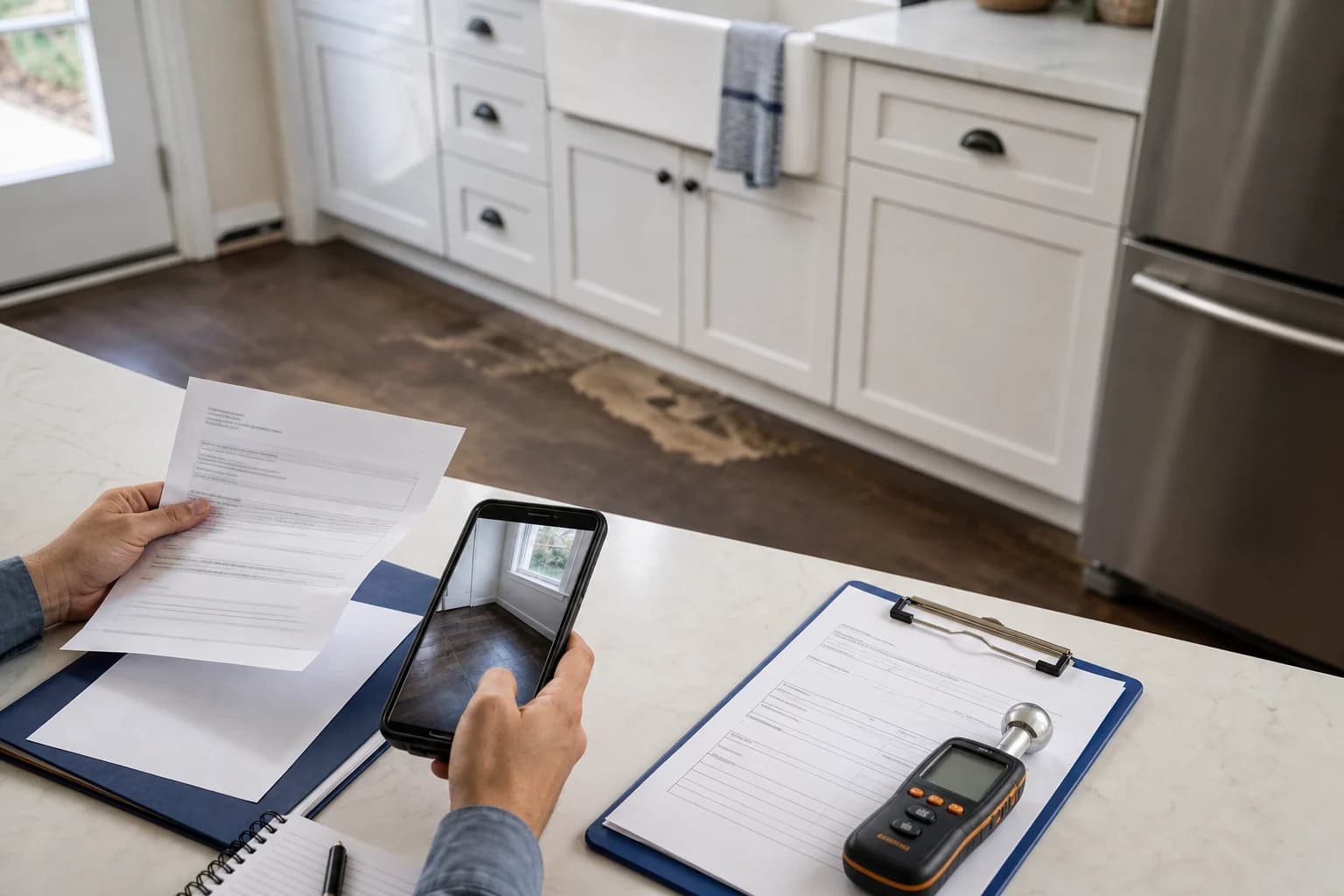
Insurance coverage and claim outcomes depend on the cause of the damage, the policy language, exclusions, endorsements, limits, deductible, and the facts of the claim. Homeowners should review the policy and contact the insurer directly with questions about living expenses or repair coverage.
A coverage question should not replace a safety decision. Even if a policy may address some costs, the home still needs to be safe to occupy before anyone stays there during restoration.
A practical way to decide
A simple rule is to separate comfort from safety. If the home can be occupied without exposure to contaminated water, electrical hazards, or blocked access, staying home may be workable. If the damage affects essential rooms, requires major demolition, or leaves the home difficult to use, temporary relocation may be the better option.
Revisit the occupancy decision as conditions change
Whether the home remains usable can change during the project. Removing a wet ceiling may expose a room that should be isolated; taking a bathroom or kitchen out of service can affect basic living needs; and equipment may change heat, noise, access, or electrical demand. Ask for updates when the scope changes rather than treating the first occupancy discussion as a permanent answer.
Identify a clean route to bedrooms, exits, medication, pet areas, and working utilities. Confirm which rooms are restricted and who may move equipment. If contaminated water, unstable materials, electrical concerns, or required containment affect occupied areas, stay out of those areas and follow the directions of public-safety officials, the property manager, or qualified professionals. Insurance help for temporary living costs depends on the policy and claim facts.
The pros Water Restoration Pros connects with can help evaluate the situation, explain the drying and cleanup plan, and describe how the work may affect day-to-day living while restoration is underway.
Frequently asked questions
Can you stay home during water damage restoration?
What makes staying home unsafe during restoration?
How does drying equipment affect living in the home?
Is mold a reason to leave the home?
Should floodwater or sewage damage be handled differently?
Does insurance decide whether I should stay home?
Sources reviewed (4)
- U.S. EPA - Mold Course Chapter 2: EPA guidance to dry wet building materials within about 24 to 48 hours when possible.
- U.S. EPA - Flooded Home: EPA safety and drying guidance for homes affected by floodwater, moisture, and mold.
- U.S. EPA - A Brief Guide to Mold, Moisture and Your Home: EPA guidance on moisture control, prompt drying, indoor humidity, and mold cleanup decisions.
- CDC - Reentering Your Flooded Home Safely: CDC guidance on electrical hazards, standing water, ventilation, cleanup, and reentry after flooding.