Water damage restoration involves a sequence of steps, and the time required depends on the amount of water, materials affected, and the repairs needed. Many property owners want a clear answer, but timelines can differ significantly based on the situation. Restoration professionals typically break the process into assessment, water removal, drying, cleaning, and repairs.
For most homes, the initial assessment and water extraction are often completed quickly, sometimes within the first day. However, drying, repairs, and rebuilding can extend the process by days or even weeks. The total timeline is influenced by the severity of the damage, the type of water involved, and how long the water was present before mitigation began.
Every Project Is Unique
The timelines below are general ranges to help you set expectations, not support. The actual schedule depends on the size and category of the loss, the materials involved, and the specific restoration professionals handling your case. An on-site assessment is the best way to develop a realistic timeline for your home.
Understanding the Restoration Phases
Water damage restoration is not a single event but a series of linked activities. Each phase depends on factors such as how much water entered the property, which areas and materials are affected, and whether contaminated water or hidden moisture is present. Restoration professionals follow a structured approach to support thorough drying and repairs.
The main phases include initial assessment, water extraction, drying and dehumidification, cleaning and sanitation, and repairs. These steps may overlap or be repeated if new issues are discovered, especially when moisture migrates behind walls or under floors. Prompt response can sometimes shorten the total timeline, but thoroughness is critical to avoid further complications.
- 1
Assessment and Inspection
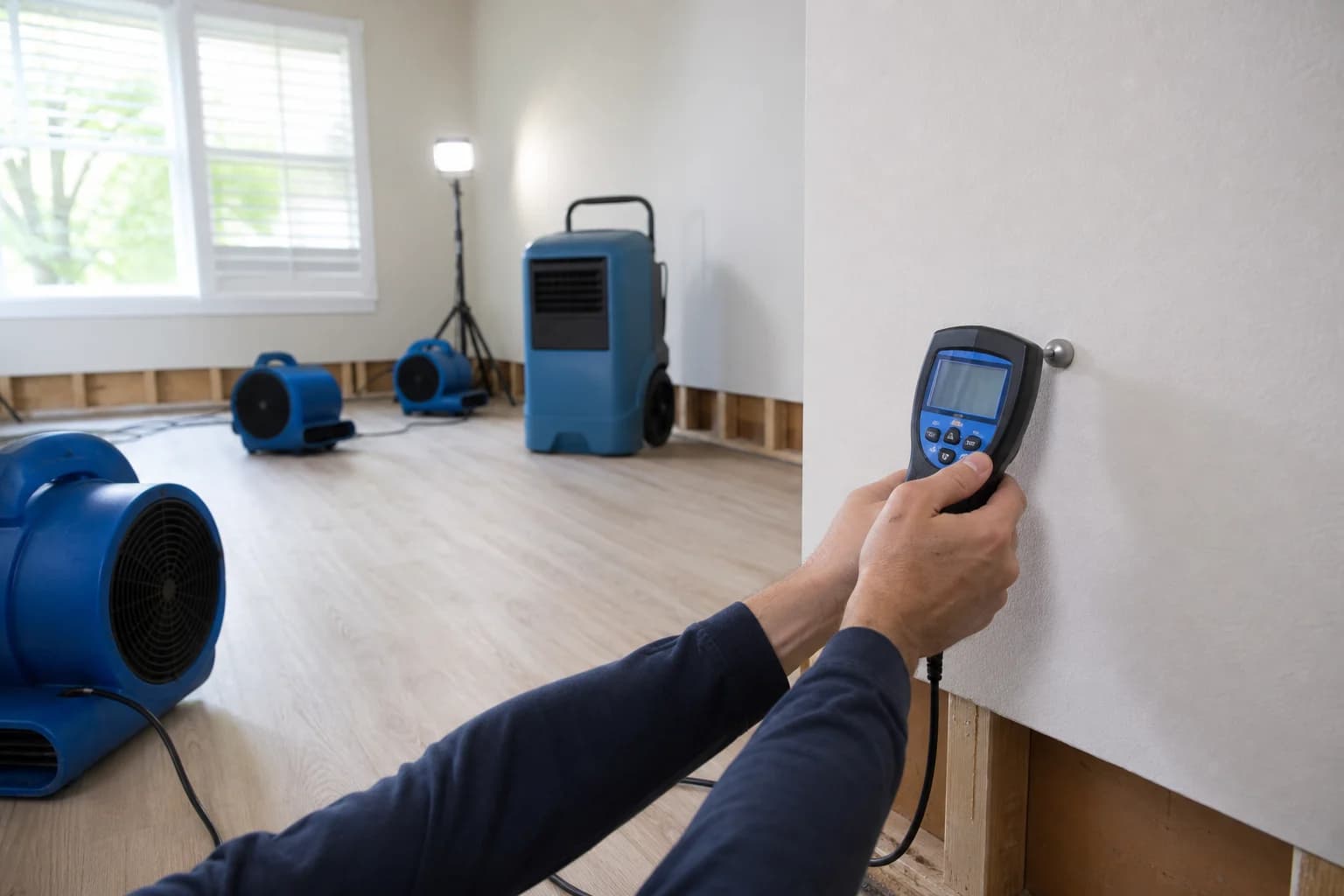
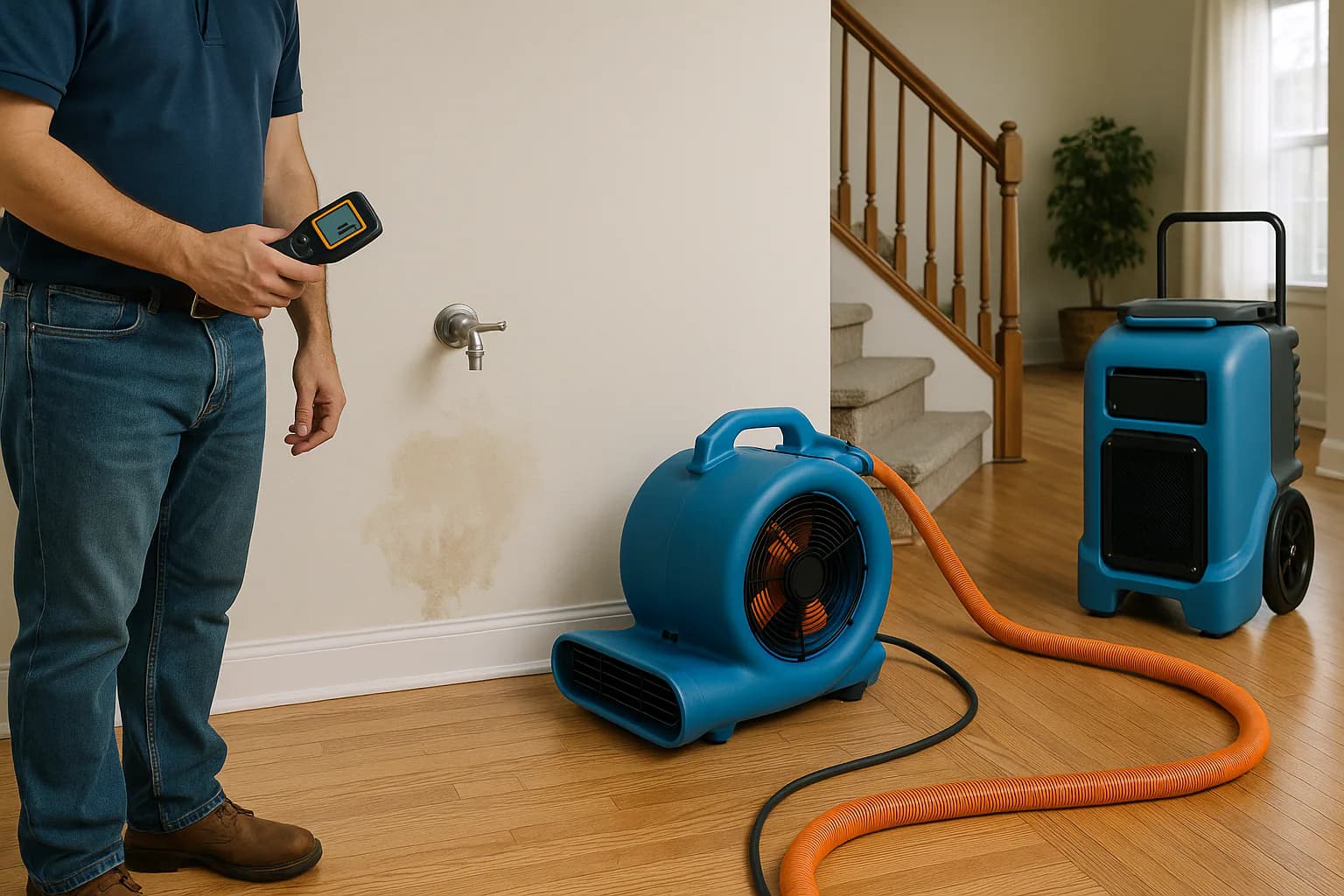
Restoration professionals identify where water has traveled, check for signs of hidden moisture, and determine the water category. Moisture meters and visual inspections help set the plan.
- 2
Water Extraction
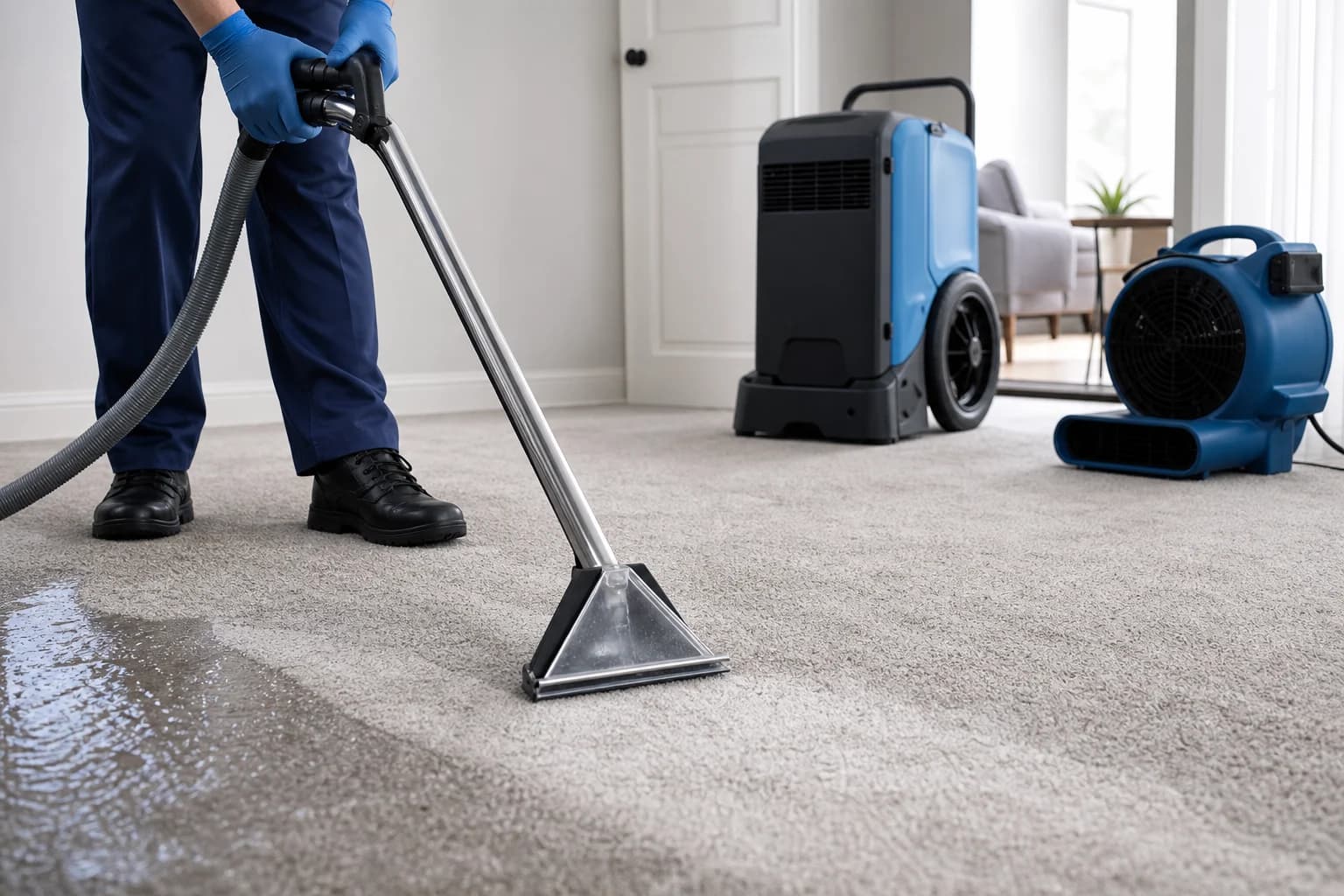
Standing water is removed using pumps or extraction tools. This phase is generally quick, though large volumes or water in hard-to-access spaces may take longer.
- 3
Drying and Dehumidification
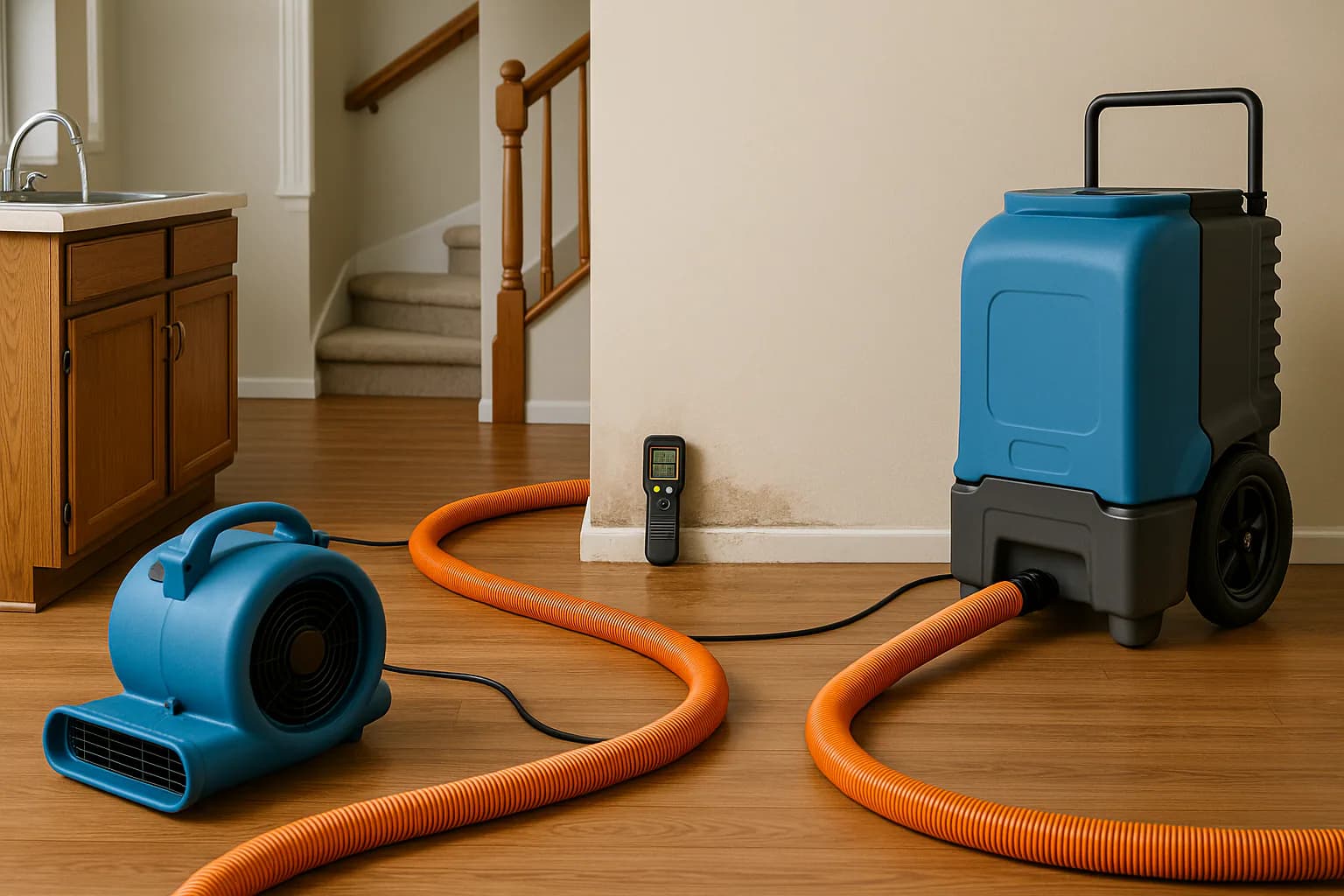
Equipment such as dehumidifiers and, where appropriate, air movers are set up to remove moisture from materials. This phase often lasts several days, with moisture levels monitored until targets are met.
- 4
Cleaning and Sanitizing
Surfaces and belongings are cleaned, and contaminated areas may require further sanitation. This can overlap with drying, especially when dealing with water from outside the building or plumbing failures.
- 5
Repairs and Reconstruction
Damaged drywall, flooring, or structural materials may need repair or replacement. The time for this phase varies based on how much material is affected and the extent of rebuilding required.
Factors That Affect Restoration Time
Several factors influence how long water damage restoration takes. The size of the affected area, the amount of water, and how deeply water has penetrated all play a role. The source of the water is also important—clean water typically requires less work than contaminated or floodwater, which may need additional material removal and sanitation. Delays in starting mitigation allow moisture to soak deeper, which can lengthen drying and repairs.
The building materials involved are another factor. Dense materials like concrete or hardwood dry more slowly than drywall or carpet. If contaminated water is present, professionals may need to remove more materials for proper sanitation. Hidden moisture behind walls or beneath floors can extend the timeline, as extra drying or removal may be necessary. The amount of reconstruction needed after drying is complete is often the most variable phase.
- Extent and depth of water intrusion
- Duration water was present before mitigation began
- Type of water (clean, gray, or contaminated/black water)
- Materials affected (porous vs. dense surfaces)
- Hidden moisture discovered during the process
- Amount of repair or reconstruction needed
Recognizing When Drying Is Not Complete
Odors, stains, and temperature differences can be clues that moisture remains, but none are conclusive on their own. For example, a persistent musty odor or visible discoloration may suggest trapped moisture in walls or floors. Warping or buckling of surfaces can also indicate ongoing water presence. However, these signs should always be checked with moisture meters or other professional tools to confirm if further drying is needed.
Thermal imaging cameras can show cooler areas that might indicate moisture, but temperature differences alone are not proof. Restoration professionals use these tools for screening and then confirm findings with appropriate moisture measurements or direct inspection. Fast, thorough drying helps reduce the conditions that allow mold to grow, but ongoing monitoring ensures that drying is complete before equipment is removed.
When an On-Site Assessment Is Necessary
Some water damage is straightforward, with limited spread and easily accessible areas. In these cases, visible drying and basic cleaning may be sufficient. However, when water has seeped into wall cavities, under floors, or in other hidden locations, a professional assessment is important to determine the true extent. This is especially relevant for contaminated water, as safe handling and proper sanitation are critical.
Restoration professionals can identify hidden moisture, assess the condition of building materials, and recommend next steps. They use moisture meters and other tools to measure dampness and verify that drying is complete. If odors continue, stains appear, or temperature patterns suggest wet spots, these areas should be checked more thoroughly. An on-site assessment is particularly valuable for widespread, persistent, or complicated water damage.
Common Mistakes to Avoid During Restoration
A common mistake is ending the drying process too soon, relying only on visual cues. Drywall and wood, for example, may look and feel dry before they actually are. Turning off drying equipment prematurely can leave hidden moisture in materials, which may lead to further issues. Overlooking hidden moisture behind cabinets, under flooring, or inside wall cavities is another risk—these areas require careful checking, especially after larger or contaminated water losses.
Attempting to manage widespread or contaminated water without professional support can also slow recovery or miss sanitation requirements. Floodwater and sewage should be addressed with safe handling practices and thorough cleaning. Skipping the assessment step or starting repairs before verifying dryness can result in further damage later. Taking time for a complete evaluation and following the recommendations of restoration professionals helps ensure the process is as thorough as possible.
What Happens After Drying? The Repair Phase
Once drying is finished and moisture readings confirm materials have reached an appropriate level, the focus turns to repairs. This phase can involve patching small areas of drywall, replacing flooring, cabinets, or even sections of framing. The time needed for repairs depends on the extent of demolition during mitigation and how quickly materials can be sourced and installed.
For minor water losses, repairs may be completed in a few days. Larger projects with extensive rebuilding can take several weeks. The repair phase is separate from drying and mitigation, but clear communication with the professionals involved helps the process move smoothly. Restoration professionals can explain what repairs are needed and provide updates as work progresses.
Related Services
Want a Realistic Timeline for Your Home?
An accurate timeline starts with an assessment of the actual damage. Call Water Restoration Pros to get connected with restoration professionals that service your area and can evaluate the loss and lay out the next steps.
Call (833) 968-0848Frequently asked questions
How long does water damage restoration usually take?
What clues suggest drying is not finished?
Why is an on-site assessment important for water damage?
Sources reviewed (3)
- U.S. EPA - Mold Course Chapter 2: EPA guidance to dry wet building materials within about 24 to 48 hours when possible.
- U.S. EPA - Flooded Home: EPA safety and drying guidance for homes affected by floodwater, moisture, and mold.
- U.S. EPA - A Brief Guide to Mold, Moisture and Your Home: EPA guidance on moisture control, prompt drying, indoor humidity, and mold cleanup decisions.