Finding water leaking from your AC inside the house can be a concerning issue. Not only can it lead to water damage, but it can also create conditions for mold growth if not addressed quickly. Moisture left untreated encourages mold by providing the damp environment it needs to grow, which generally starts within 24 to 48 hours according to EPA guidance. Understanding the underlying causes and knowing the right steps to take can help minimize damage and reduce restoration costs.
Water leaks from an AC unit can sometimes be subtle at first but may worsen over time, causing damage to ceilings, walls, and floors. Early detection is important because the longer water remains, the more widespread the damage can become. Independent restoration professionals use moisture meters and thermal imaging to detect hidden moisture behind walls or ceilings, helping to guide effective drying and restoration efforts.
Common causes for AC leaks include a clogged condensate drain line, a frozen evaporator coil that melts, or a cracked drain pan. Each issue requires a specific approach to prevent further damage. Let's explore why your AC might be leaking and what actions you should take.
Leaks can also occur if the drain line becomes disconnected, which prevents water from being properly directed away from the unit. Additionally, dripping or pooling water from attic air handlers may cause ceiling stains or sagging drywall. Knowing the specific cause helps determine whether an HVAC technician or a restoration professional should be called to handle the problem efficiently and safely.
Why an AC leaks water
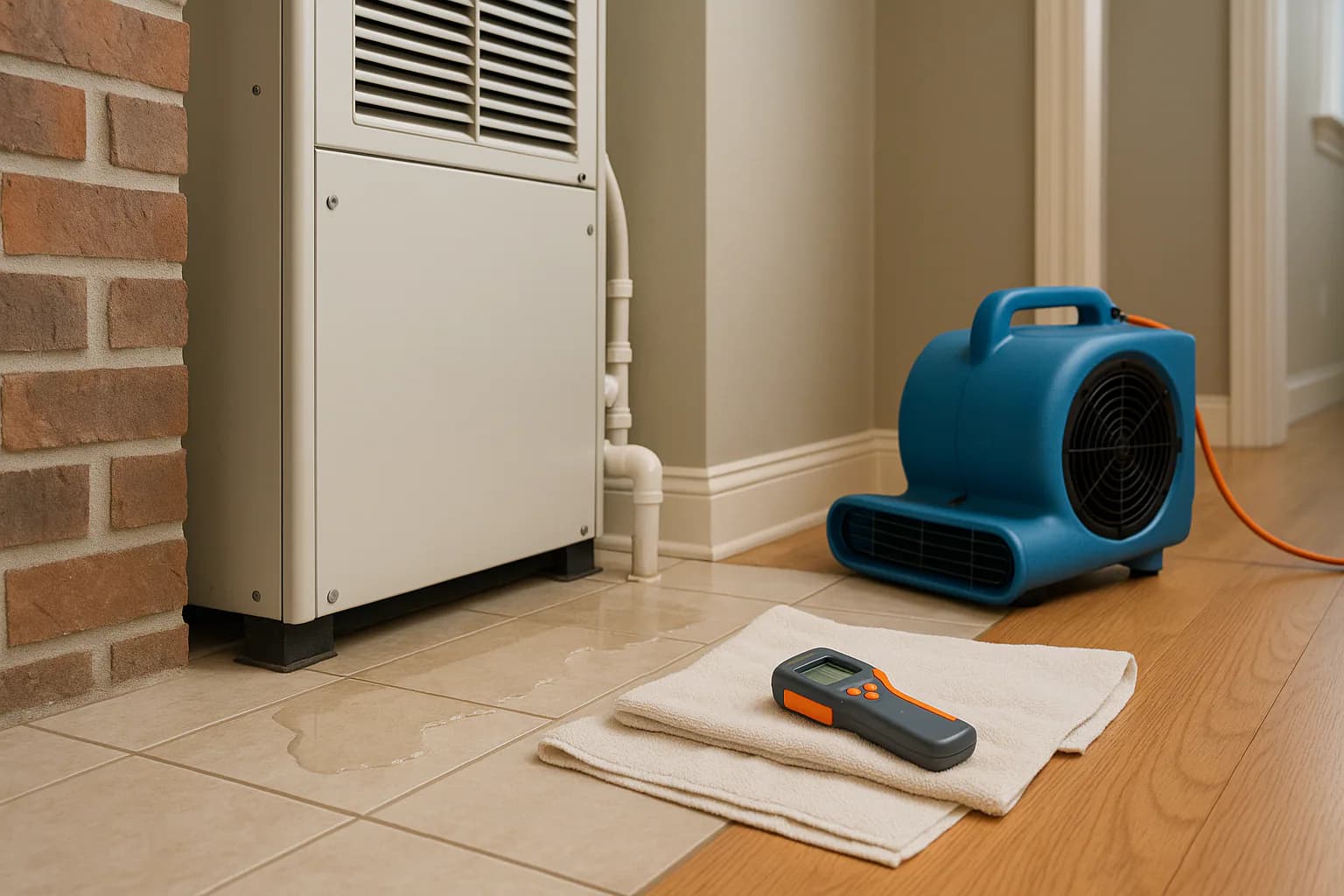
Several factors can cause your AC to leak water inside the house. A clogged condensate drain line is the most frequent culprit. This line is responsible for carrying away the moisture that your AC unit extracts from the air. When it becomes blocked, perhaps due to dirt, algae, or debris buildup, water can back up and eventually overflow. Overflows can saturate surrounding areas, leading to water damage and creating ideal moisture conditions for mold growth.
Regular maintenance, such as flushing the drain line with vinegar or other cleaning agents, can help prevent such blockages. However, blockages that are persistent or severe often require professional cleaning or replacement of the line. Use a current itemized estimate because source, contamination, affected materials, drying time, and repairs can change the total.
Other causes include a frozen evaporator coil, which can happen if there is insufficient airflow due to dirty filters or low refrigerant levels. When the coil thaws, the excess water can overflow the drain pan. A cracked or overflowing drain pan itself is another potential cause. Drain pans degrade over time from corrosion or physical damage and may need replacing to stop leaks.
If the drain pan is cracked or improperly sized, water may collect and spill over the edges. Similarly, if the drain line becomes disconnected, water will not be properly directed away, leading to leaks onto ceilings or floors. Identifying the precise cause is essential for addressing the issue effectively and preventing repeat problems.
What to do right now
- 1
Turn off the AC system
Immediately switch off the AC to prevent further water accumulation and potential electrical hazards. Continuing to run the system when leaking can worsen damage and create unsafe conditions. Turning off the unit allows you to safely assess the situation and contain the water.
- 2
Contain the water
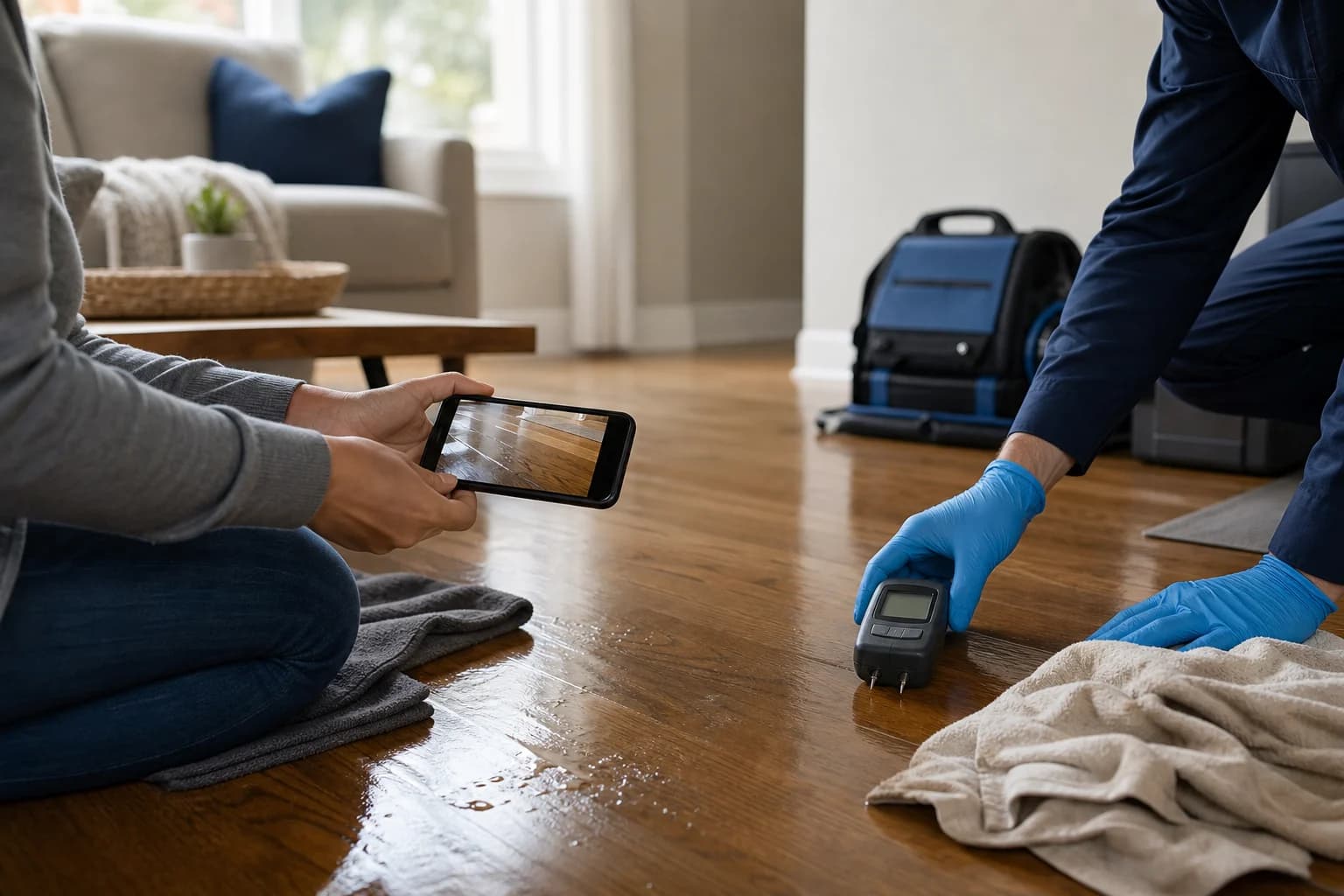
Use towels, mops, or buckets to soak up the water and prevent it from spreading to other areas of your home. Quick action can minimize water’s reach and reduce the risk of secondary damage, such as swelling of drywall or flooring materials. Keeping water contained also helps limit moisture migration into insulation and structural elements.
- 3
Check the drain pan and line
Inspect the drain pan for cracks or standing water and ensure the condensate line is not clogged or disconnected. If you find a blockage near the drain opening, you might be able to clear it with a wet/dry vacuum or a plumber’s snake. However, persistent clogs or damage to these components often require professional inspection and repair to fully resolve the issue.
HVAC tech or restoration pro: who handles what
For issues related to the source of the leak, such as a malfunctioning AC unit, clogged condensate line, frozen evaporator coil, or cracked drain pan, contacting an HVAC technician is advisable. HVAC professionals can diagnose mechanical or airflow problems, repair or replace faulty parts, and perform maintenance such as line flushing to prevent reoccurrence.
HVAC technicians also provide guidance on system operation and maintenance that helps reduce the risk of leaks. They can check refrigerant levels, clean coils and filters, and verify proper condensate drainage. Timely repairs by HVAC pros can prevent water damage that would otherwise require extensive drying and repairs.
If water has spread beyond the immediate unit area, causing damage to ceilings, walls, or flooring, restoration professionals should be contacted. These specialists use advanced moisture detection equipment and drying techniques to dry affected areas thoroughly. Fast drying reduces the conditions that allow mold to grow and helps prevent structural damage.
Restoration pros also assess contamination risks, especially when water is gray (Category 2) or black (Category 3) due to sewage or floodwater intrusion, which requires specialized sanitation and disposal. Use a current itemized estimate because source, contamination, affected materials, drying time, and repairs can change the total.
Attic units and ceiling damage
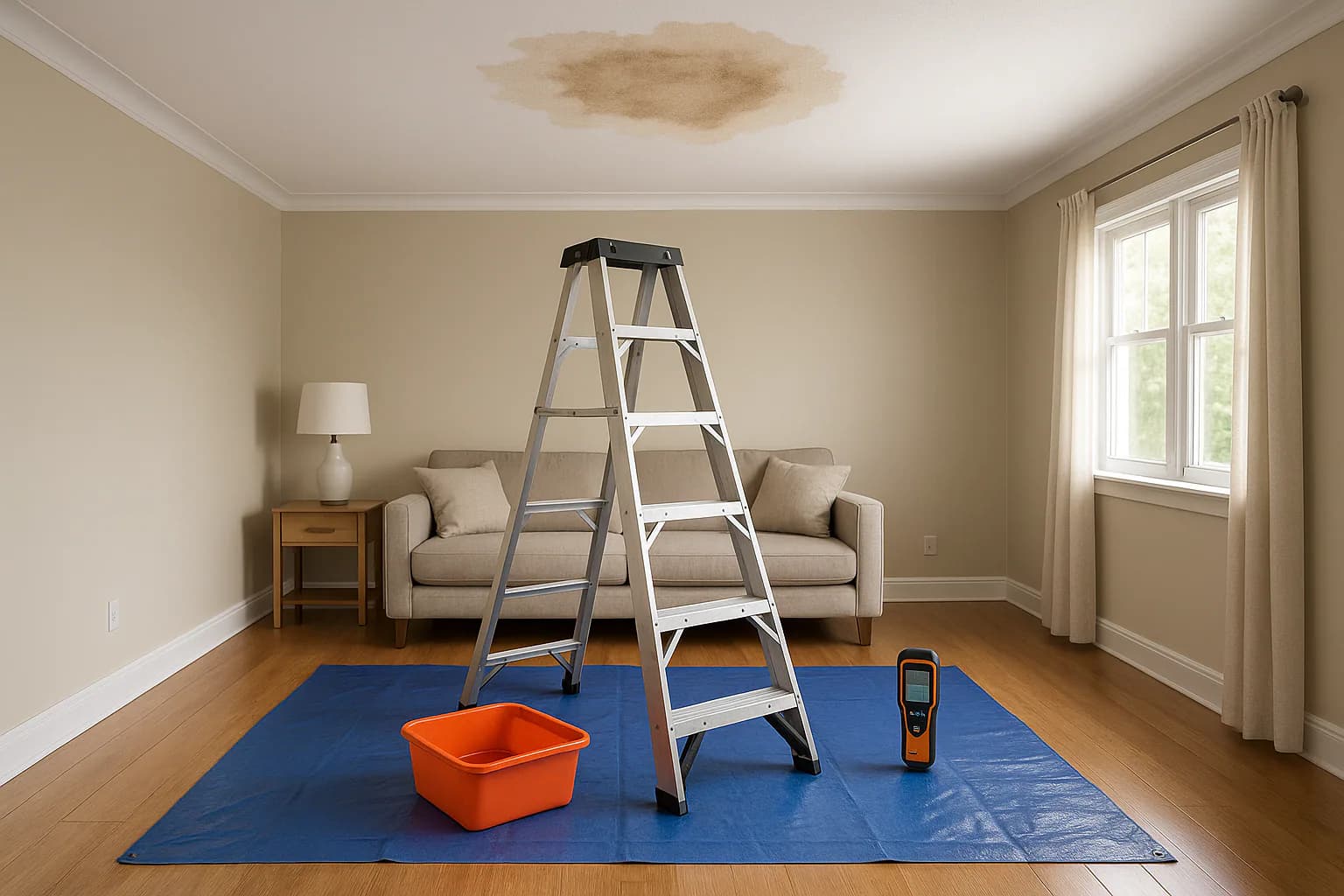
If your AC unit is located in the attic, a leak can result in water dripping through the ceiling below. Since water naturally follows the path of least resistance, it may travel through insulation and drywall, causing damage to ceilings and possibly walls. Over time, this can weaken ceiling materials, cause staining, and increase the risk of mold growth if moisture is not removed quickly.
Restoration professionals use moisture meters and infrared cameras to determine how far water has spread in ceilings and walls. They apply strategic drying methods such as air movers, dehumidifiers, and controlled ventilation to remove moisture from these hard-to-access areas. Proper drying within 24 to 48 hours is critical to reduce mold growth risks, as noted by the EPA. If mold covers more than about 10 square feet, professional remediation is generally recommended.
Costs vary with the water source, contamination, affected area, drying time, material removal, and repair scope; use a current itemized estimate rather than a generic price.
Preventing the next leak
- Regularly flush the condensate drain line to prevent blockages. This maintenance task can often be done using a simple vinegar flush, which helps to clear any algae or mold buildup that might clog the line over time. Scheduled flushing reduces the chance of backups that cause leaks.
- Install a float switch to automatically shut off the AC if the drain pan overflows. This is a practical safety feature that detects rising water levels and stops the AC system to prevent water from spilling over and causing damage. It adds an extra layer of protection against leaks.
- Schedule routine maintenance with an HVAC technician to keep your system in optimal condition. Regular check-ups include cleaning coils and filters, verifying refrigerant levels, and inspecting all drainage components. These preventative measures help identify potential problems before they cause water damage.
Need Help with Water Damage?
Connect with local restoration professionals today to address water damage in your home. Fast action can help prevent further issues.
Call (833) 968-0848Frequently asked questions
How can I tell if my AC is leaking water?
Is AC water damage covered by insurance?
What are the signs of a clogged condensate line?
Sources reviewed (3)
- U.S. EPA WaterSense - Leak Detection and Flow Monitoring Devices: EPA guidance on identifying unexpected moisture, irregular water use, and household leaks.
- U.S. EPA - A Brief Guide to Mold, Moisture and Your Home: EPA guidance on moisture control, hidden dampness, indoor humidity, and drying wet materials within 24-48 hours.
- U.S. EPA - Flooded Home: EPA guidance on safety, cleanup, moisture control, and drying after a home is flooded.