A clear service answer
Is carpet water extraction the right service for this loss?
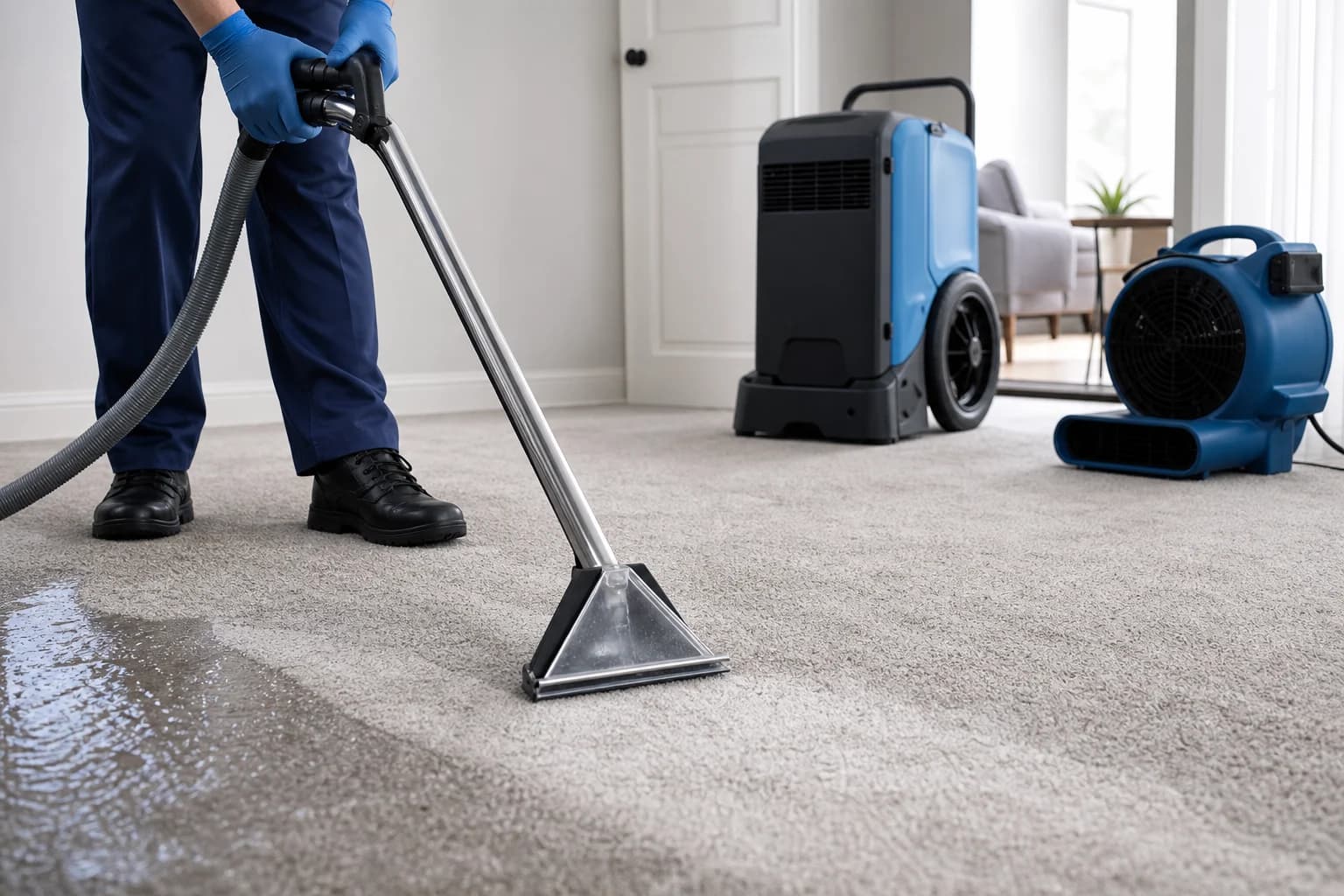
Carpet water extraction help that pulls water from carpet and padding and dries the subfloor beneath.
The central service decision
Extract, disengage, or remove
Can carpet, pad, and subfloor be safely extracted and dried, or do contamination and material condition require removal?
- Review
- water source and time exposed
- Review
- carpet, cushion, and subfloor condition
- Review
- cleanability, drying access, and verification
When it may fit
Carpet is soaked and squishy underfoot. Water spread across a carpeted room or hallway. You can smell moisture or musty odor in the carpet. Padding and subfloor under the carpet may still be wet.
How the problem may start
Leaks and burst pipes that reach carpeted rooms. Appliance overflows and fixture leaks. Water tracking into carpet from an adjacent flood. Below-grade seepage into carpeted basements.
Service context in San Francisco
Local conditions that can affect the plan
Local planning context
What can shape the assessment in San Francisco
Mixed-use buildings with ground-floor commercial space below residential flats, where street-level and below-grade spaces are first to take on storm or sewer water.
Access and drying consideration
Dense attached rowhouse construction means water from one unit often travels through shared walls and floors into neighboring units, so inspections frequently need to extend beyond the source property.
Climate context in San Francisco
San Francisco has a cool-summer Mediterranean climate moderated by the cold California Current, with mild temperatures year-round and a persistent fog and marine layer, especially in summer. Roughly 80 percent of annual rainfall arrives between November and March, when Pacific storm systems move through. Atmospheric-river storm events periodically bring intense, prolonged rain that overwhelms drainage on steep streets and in low-lying districts, while damp marine air keeps ambient humidity elevated even outside the rainy season.
Property and material context
Victorian and Edwardian rowhouses, largely built between 1849 and 1915, with ornate original finishes, lath-and-plaster interiors, and aging supply and drain lines.
Property and material context
Multi-unit condo and TIC buildings where a single leak can affect several owners and shared building systems, requiring coordination with HOAs and neighboring units.
Access and drying consideration
Narrow streets, steep hills, and scarce parking can complicate staging of extraction and drying equipment, particularly in older neighborhoods without driveways.
Access and drying consideration
The persistent marine layer keeps ambient humidity high, so natural ventilation is a poor substitute for mechanical dehumidification during structural drying.
Verified service geography
The Census Gazetteer identifies San Francisco city as the matched service geography. Property conditions and service scope still require an on-site assessment.
Local water-loss scenario
Sewer backups during heavy rain in low-lying areas served by the combined sewer system
Local water-loss scenario
Below-grade garage, basement, and in-law unit flooding
Professional service plan
How carpet water extraction work moves forward
Assess and contain
Assess the carpet and water
Determine the water category and how far it spread through carpet and padding.
Extract the water
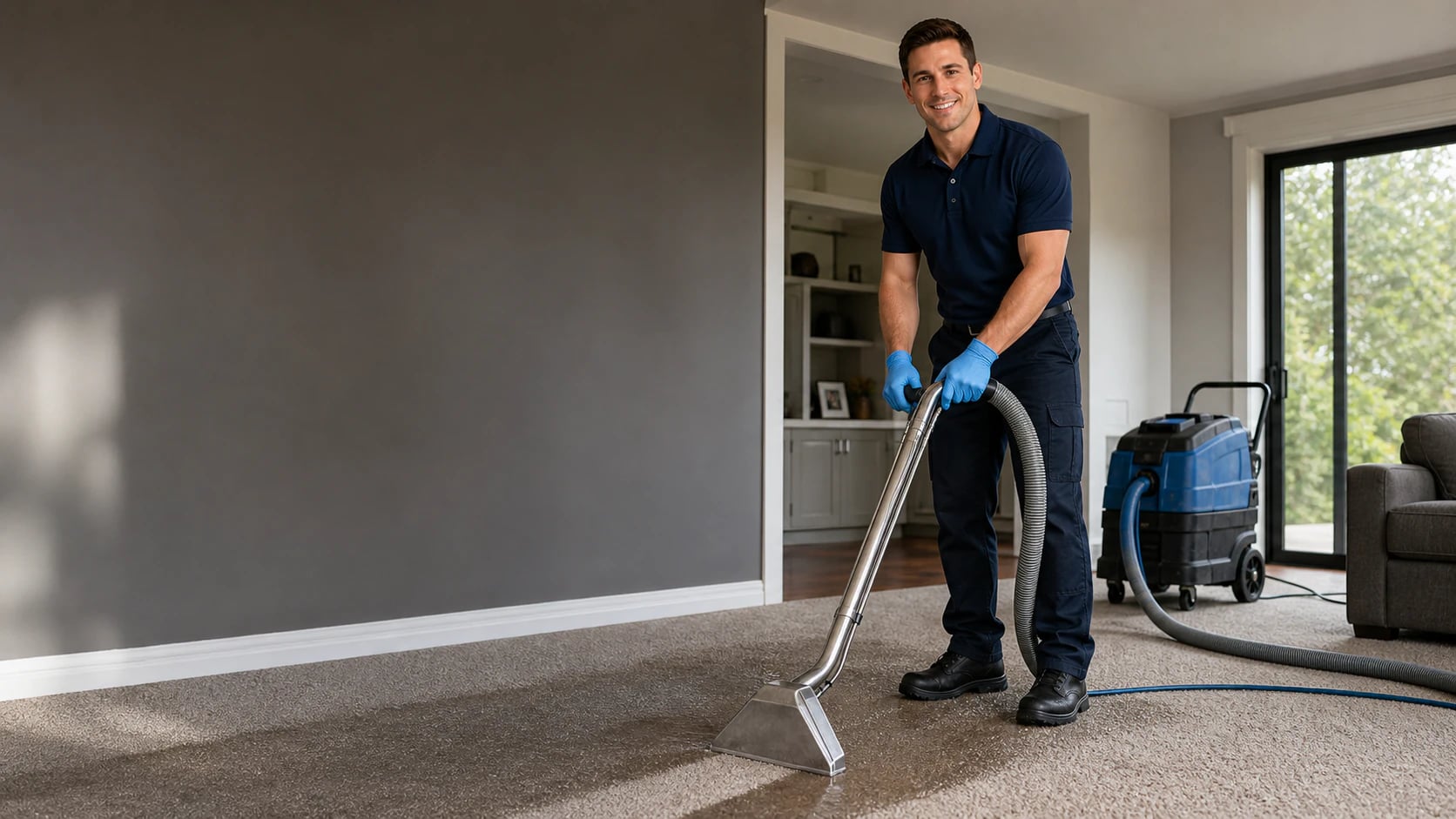
Use extraction equipment to pull water from the carpet and the padding beneath.
Remove and dry
Address the padding
Lift or remove saturated padding when it cannot be dried in place.
Dry the subfloor
Dry the subfloor under the carpet, since that is where moisture lingers.
Verify and recover
Monitor moisture
Confirm the carpet, padding area, and subfloor are dry before reinstalling or finishing.
Scope and outcome
What changes the amount of work
Padding holds water against the subfloor and dries slowly. Trapped moisture under carpet leads to odor and mold conditions.
Fast extraction can help save the carpet in clean-water cases. The subfloor needs to dry, not just the carpet surface.
What happens next
What to expect from the first visit
Assess the carpet and water
Determine the water category and how far it spread through carpet and padding.
Extract the water
Use extraction equipment to pull water from the carpet and the padding beneath.
Address the padding
Lift or remove saturated padding when it cannot be dried in place.
Dry the subfloor
Dry the subfloor under the carpet, since that is where moisture lingers.
Before approving the scope
Questions that make a proposal easier to compare
How will the assessment document water source and time exposed?
The answer should be specific to the property and reflected in the written scope.
Which conditions determine whether carpet water extraction is the right service path?
The answer should be specific to the property and reflected in the written scope.
What work, specialist responsibilities, measurements, and completion records will be included in writing?
The answer should be specific to the property and reflected in the written scope.
Documentation
Keep the property record organized
Coverage depends on the water source, policy language, exclusions, endorsements, limits, deductible, and claim facts. When conditions are safe, document the apparent source, affected rooms, visible damage, and reasonable steps taken to limit additional loss. Review the policy and follow the insurer's claim instructions.
This is general information, not insurance or legal advice.
Read the water damage insurance claim guideMore carpet water extraction in California
Questions property owners ask
Carpet Water Extraction in San Francisco: FAQs
What can affect carpet water extraction in San Francisco, CA?
What should a carpet water extraction assessment cover in San Francisco, CA?
Can wet carpet be saved?
Why does wet padding matter so much?
Do I really need to dry the subfloor?
Technical and safety sources (10)
These sources support restoration, safety, moisture, cleanup, local context, and scope guidance. They do not serve as numeric pricing provenance.
- U.S. EPA - A Brief Guide to Mold, Moisture and Your Home: EPA guidance on moisture control, prompt drying, indoor humidity, and mold cleanup decisions.
- U.S. EPA - Mold Course Chapter 2: EPA guidance on responding promptly to wet building materials and evaluating moisture conditions.
- U.S. EPA - Flooded Home: EPA guidance on safety, cleanup, moisture control, and drying after a home is flooded.
- NAIC - Consumer Homeowners Insurance: NAIC consumer information on homeowners coverage, exclusions, inventories, and policy review.
- NAIC - What You Need to Know When Filing a Homeowners Claim: NAIC guidance on reporting a claim, documenting damage, deductibles, contractors, and adjuster meetings.
- FEMA National Risk Index: Counties: Supports the regional weather and water context used during location review.
- FEMA National Risk Index Technical Documentation: Explains the scope and limitations of the regional hazard information used during location review.
- U.S. Census Bureau Gazetteer Files: Census reference for official place geography and Gazetteer datasets.
- CDC - Guidelines for Cleaning Safely After a Disaster: CDC safety guidance for floodwater, sewage, protective equipment, and contaminated materials.
- CDC - Septic and Onsite Wastewater Systems After Flooding: CDC guidance on sewage exposure, wastewater overflows, and precautions after flooding.