When a burst pipe, roof leak, or flooding affects your home, finding a reliable water damage restoration service can feel overwhelming. Knowing the right questions to ask helps you quickly assess which company fits your needs and how they approach moisture control and drying. Clear communication from the start can help avoid misunderstandings, delays, or missed steps in recovery.
Water Restoration Pros connects property owners with independent restoration professionals in their area. While every situation is unique, the questions below will help you understand what to expect, confirm the company’s approach to moisture and drying, and ensure you receive thorough documentation for your records or for insurance purposes.
Understanding the Restoration Process and Initial Assessment
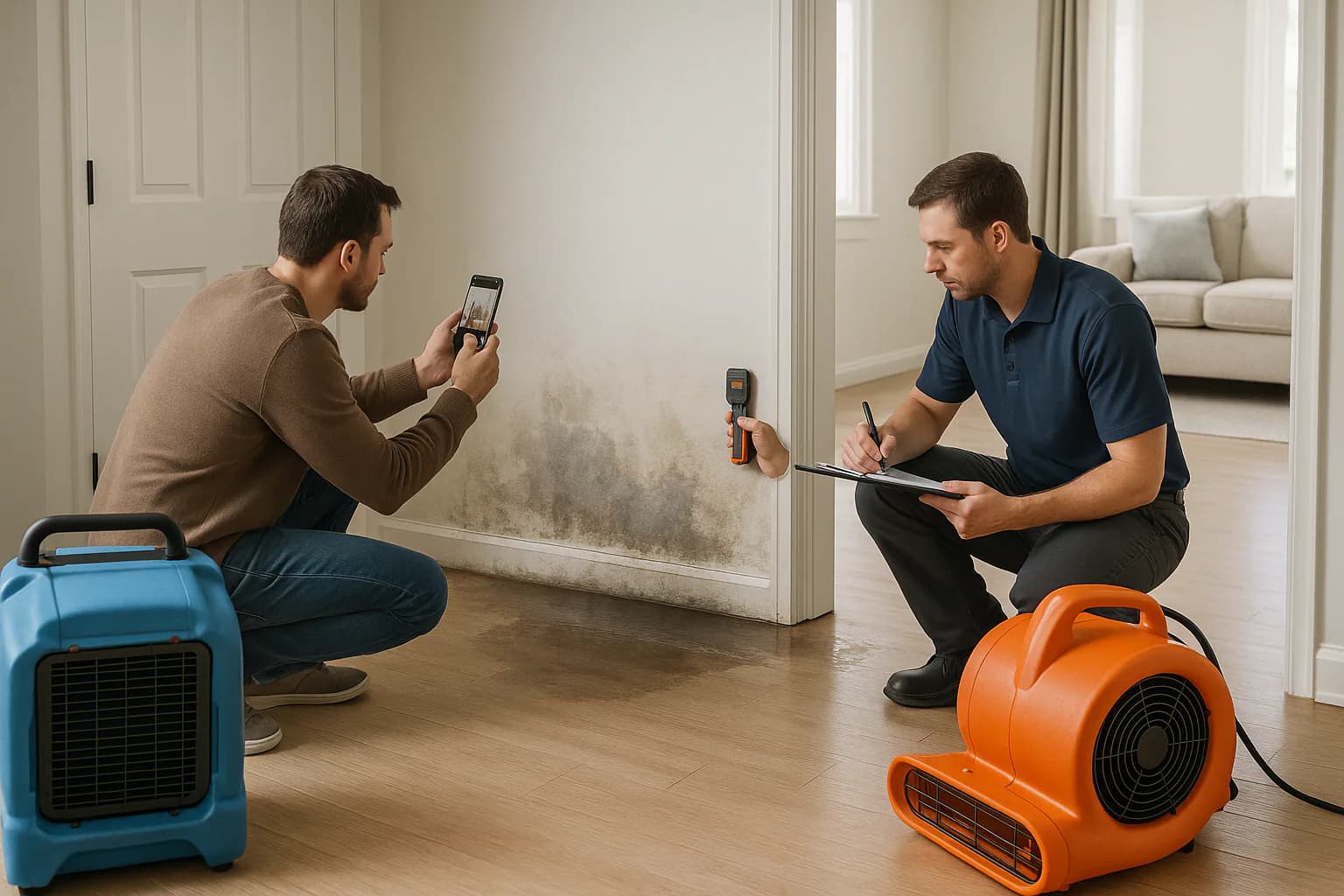
Ask the restoration professional how they plan to evaluate the affected areas. A thorough assessment considers the source of the water, how far moisture has spread, and what building materials have been impacted. Visible standing water, wet flooring, and damp walls are clear signals, but water can also seep behind baseboards, under floors, or into wall cavities where it is not immediately obvious. The pros in your area may inspect all levels of your home, including basements and attics, to help identify areas of concern.
It is also important to discuss how the professional determines the type of water involved. Water from a supply line is different from floodwater or water from a drain backup. The potential for contamination requires different steps for cleaning and sanitation. Ask what steps the company will take if there is a possibility of contaminated or black water, and how they help protect your property during the process. A clear explanation should help you understand the plan and what steps are recommended for your situation.
Verifying Dryness: Tools, Techniques, and Moisture Monitoring
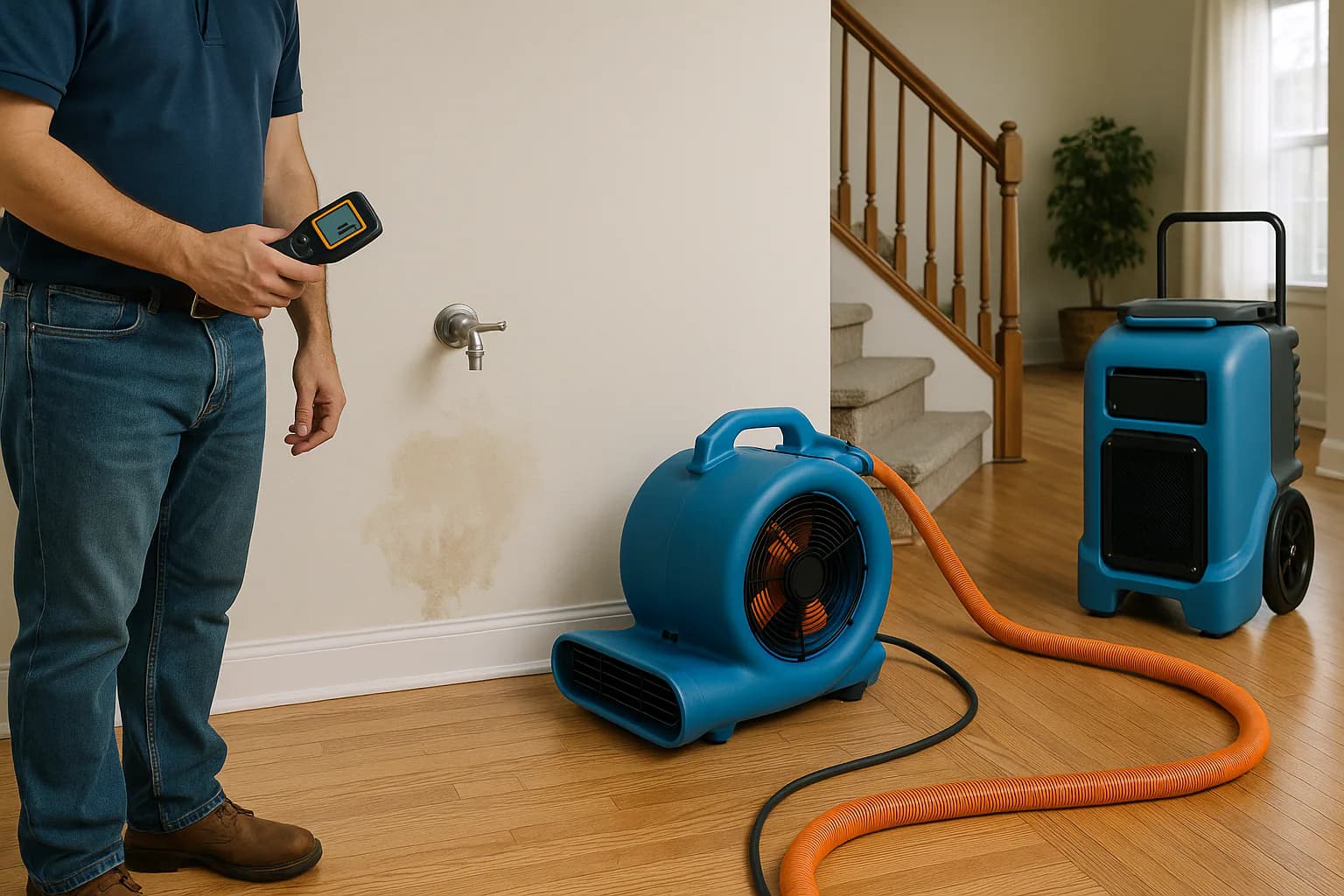
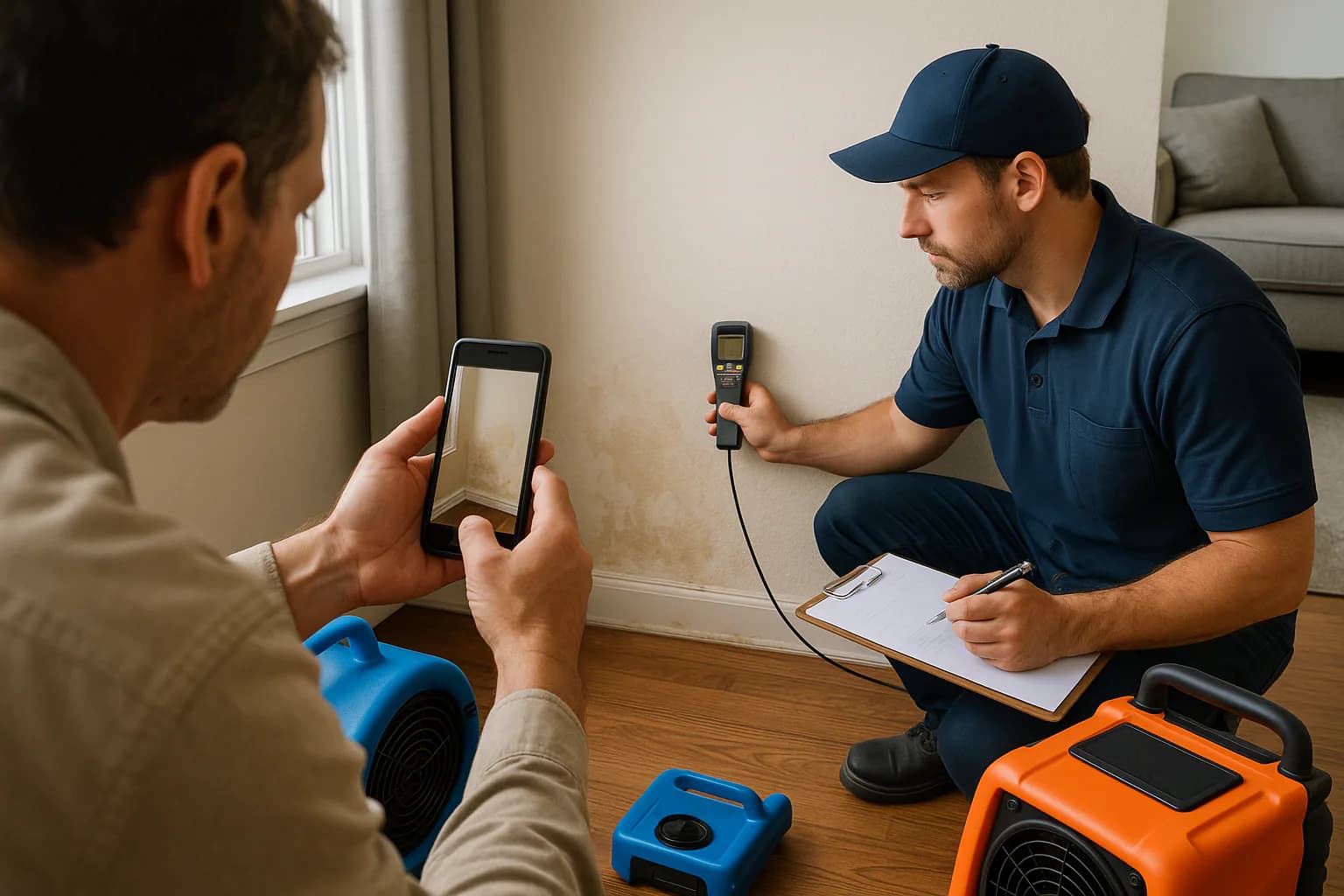
Discuss how the restoration company verifies that your property is truly dry. While surfaces may look dry, moisture can remain trapped in materials like drywall, subfloors, or behind cabinetry. Professionals often use moisture meters—devices that measure moisture levels in wood, drywall, and other building materials. Objective measurement helps guide drying decisions and supports safe building practices.
Ask whether the company will monitor moisture levels over time and keep records of their findings. Monitoring is especially important when water has affected hidden spaces or when conditions such as humidity and airflow may change during the drying process. Some professionals use thermal imaging cameras to screen for temperature differences that might suggest areas for further investigation. However, temperature patterns alone do not confirm the presence of moisture; further inspection or moisture readings are needed to verify these areas.
Deciding What to Remove, Clean, or Salvage
Ask the restoration professional how they decide which materials can be dried and which may need to be removed. The decision depends on the amount of water, how long materials have been wet, the type of water involved, and material type. For example, porous materials such as carpet, padding, and insulation may be more difficult to dry if they have absorbed contaminated water or have been wet for an extended period. Some materials might be cleaned and dried, while others could require removal if proper drying or sanitation is not feasible.
Discuss how the professional handles furnishings, baseboards, or cabinetry that have been affected. If you notice odors, stains, or areas that stay cold or damp, mention these to the professional—they are clues that may indicate lingering moisture or the need for closer inspection. Ask what steps will be taken to protect undamaged areas and how decisions will be communicated throughout the process. Open communication helps reduce surprises regarding repairs and cleanup.
Documentation and Working with Insurance
Proper documentation is important following water damage, especially if you plan to file an insurance claim. Ask whether the company will provide written records of the damage, the work performed, and how moisture was monitored and controlled. This documentation may include photos, diagrams, and moisture readings. These records are helpful for your reference and may be requested by your insurance adjuster.
It is also wise to ask if the professional has experience working alongside property owners during the insurance process. While a restoration company can supply supporting documentation, coverage decisions and claim approval depend on the cause of the damage and the details of your policy. Review your policy independently and consult your insurance representative for specific guidance.
Coverage Is Still the Insurer's Call
Documentation from a restoration company can support your claim, but it does not support anything. Decisions about coverage and approval rest with your insurance company. Review your policy and ask your insurer about your specific situation.
Clarifying Timeline, Communication, and Scope of Work
Understanding how long restoration might take and what the process involves is essential. Ask the company to provide a general outline of the expected timeline, keeping in mind that drying depends on many factors such as the amount of water, types of building materials, and weather conditions. Professionals cannot promise an exact end date, but they should be able to explain how they track progress and when you can expect updates.
Communication is another key area. Ask who your main point of contact will be and how you will be updated during the project. It is also important to clarify what is included in the scope of work—does the company only handle drying and moisture control, or do they also provide repairs and reconstruction? A detailed, written scope helps you understand the work being performed and what steps come next if repairs are needed after drying is complete.
- 1
Request a written scope of work
Ask for the planned work in writing so expectations are clear and you can refer back to them.
- 2
Clarify the timeline
Ask for a general sense of how long the work may take, keeping in mind that drying depends on conditions and cannot be promised to the hour.
- 3
Confirm how they will communicate
Find out who your point of contact is and how they will keep you updated as the work progresses.
- 4
Understand what is and is not included
Clarify whether the company handles repairs and reconstruction or focuses on drying, so you know what comes next.
When to Consider an On-site Assessment
Not every water situation requires advanced equipment or a full restoration team. Minor spills on hard surfaces may be handled with prompt cleanup and drying. However, if you suspect water has traveled into hidden spaces, the water source is contaminated, or you notice persistent dampness, musty smells, or unexplained stains, an on-site assessment by a restoration professional is recommended. These situations may involve hidden moisture that is harder to detect without specialized tools.
A local pro can use moisture meters or thermal imaging to investigate suspicious areas and determine whether further drying or removal of materials is needed. If the affected area is widespread, the water is from an unknown or contaminated source, or you are unsure about the extent of the damage, a professional evaluation can help inform your decisions and support effective moisture control.
Related Services
Want to Talk to a Pro?
The right questions help you choose with confidence. Call Water Restoration Pros to get connected with restoration professionals that service your area, so you can ask your questions and get the work started.
Call (833) 968-0848Frequently asked questions
What should I ask about a restoration company’s drying process?
Why is documentation important after water damage?
How do I know if I need a professional assessment?
Sources reviewed (3)
- U.S. EPA - Mold Course Chapter 2: EPA guidance to dry wet building materials within about 24 to 48 hours when possible.
- U.S. EPA - Flooded Home: EPA safety and drying guidance for homes affected by floodwater, moisture, and mold.
- U.S. EPA - A Brief Guide to Mold, Moisture and Your Home: EPA guidance on moisture control, prompt drying, indoor humidity, and mold cleanup decisions.