Water removal and water extraction may sound similar, but they refer to two distinct steps in addressing water damage within a property. Water removal targets the visible, standing water that accumulates after a flood or large leak, while water extraction refers to pulling moisture out of materials like carpet, padding, and furniture. Understanding the difference helps support a thorough restoration process.
Both water removal and extraction are important before any drying can begin. Removal clears the way for deeper extraction, and thorough extraction helps reduce persistent moisture that can lead to stains, odors, and other issues. Restoration professionals connected through Water Restoration Pros can assess the specific situation in your home and determine which methods may be appropriate to remove water and prepare the area for drying.
Water Removal: Addressing Standing Water First
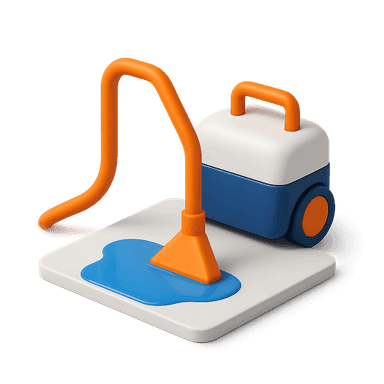
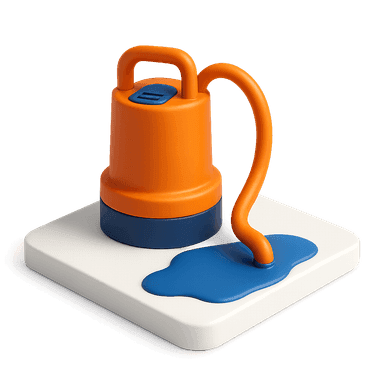
Water removal is the first step after discovering significant water intrusion, such as a burst pipe or storm flooding. This process focuses on eliminating the pooling or standing water that collects on floors, basements, or lower levels of a building. Depending on how much water is present, removal may involve using pumps for larger volumes or wet vacuums and squeegees for smaller spots. Prompt removal is important because standing water can increase the risk of further material damage the longer it sits.
It is common for property owners to try mopping up water on their own, especially when only small puddles are visible. However, when water covers a wide area, is more than a minor spill, or is near electrical systems, it is safest to have a professional assess the scene. Restoration professionals may use submersible pumps and heavy-duty vacuums to move large amounts of water efficiently, especially in basements or when water is contaminated. Clearing this water sets the stage for the next, deeper step—extraction.
Water Extraction: Pulling Moisture from Materials
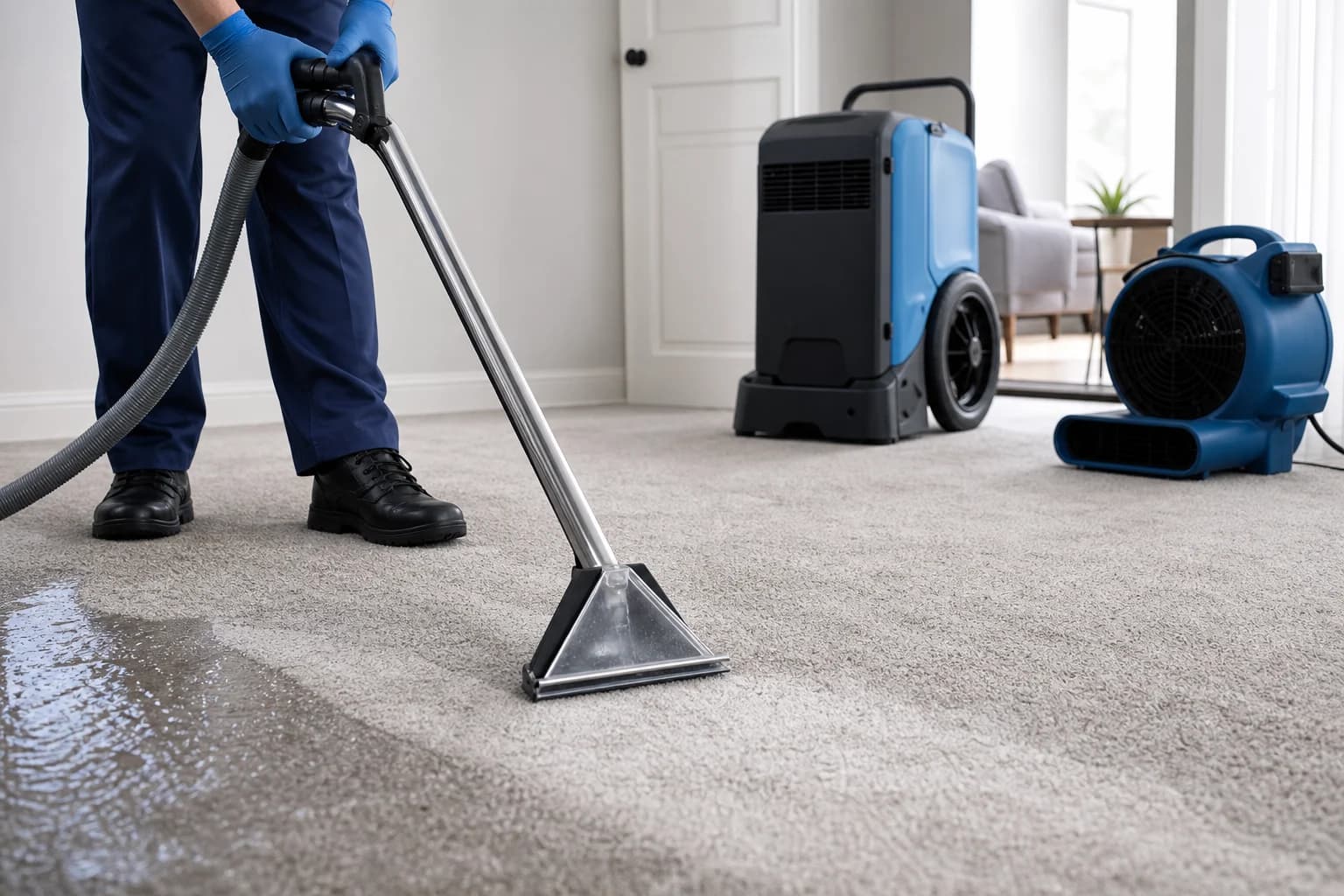
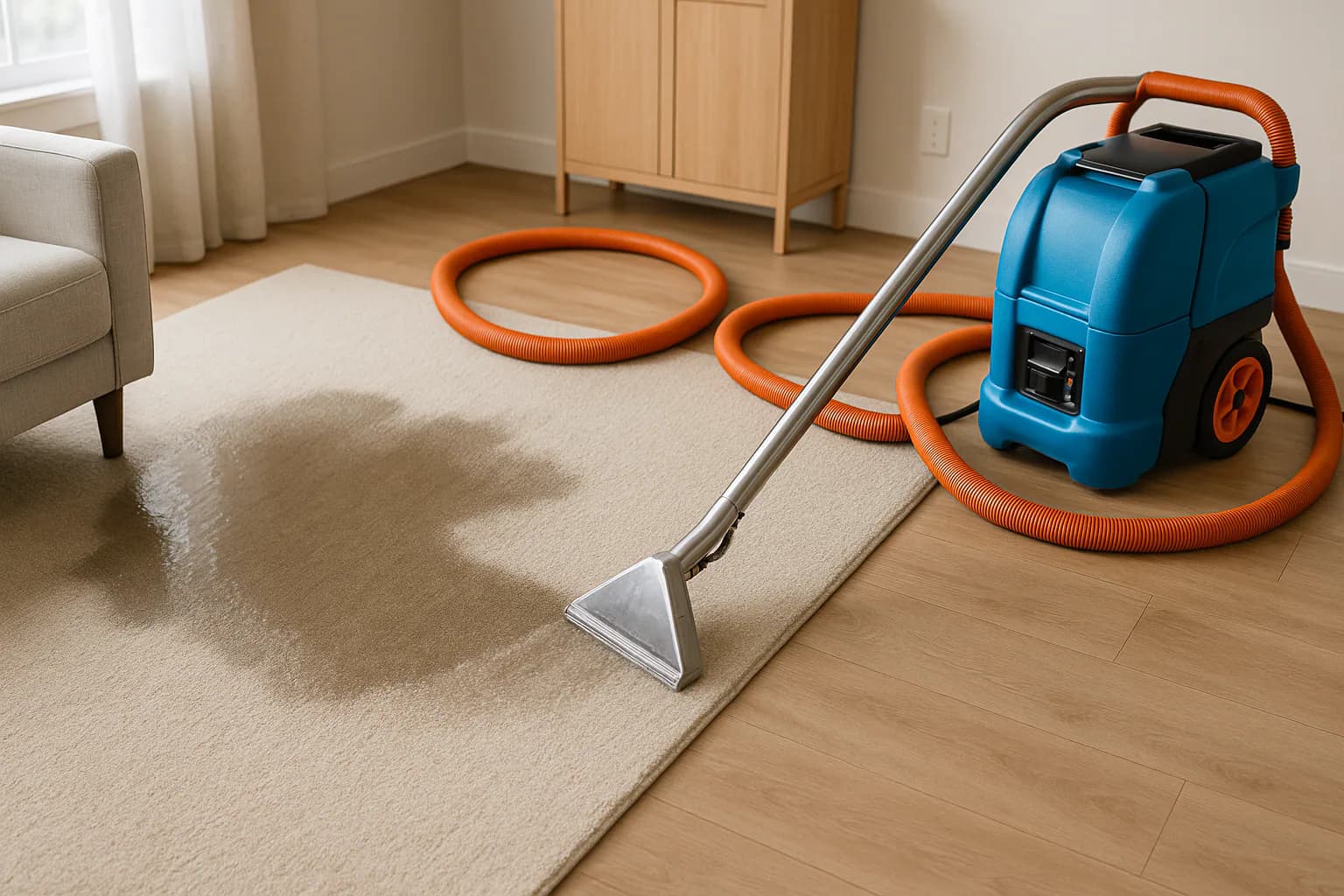
Once standing water is gone, moisture can still be trapped in carpets, rugs, upholstery, drywall, insulation, and subflooring. Water extraction is the process of removing this absorbed water. Carpets and their padding can retain significant moisture, and these materials may remain damp even after the room looks dry. This lingering dampness can contribute to persistent odor or discoloration over time.
Restoration professionals use specialized extraction equipment, such as weighted extractors or carpet wands, to pull water from deep within materials. This step is particularly important in homes with thick carpets, layered flooring, or fabric furnishings. Extraction may also be needed for building materials like wood or drywall if they show signs of saturation. The pros in your area can assess which materials may be salvageable and which might need to be removed, based on the type and extent of water absorbed.
- Extracting water from carpet and underlying padding
- Removing moisture from area rugs, upholstery, and fabric surfaces
- Reducing water trapped in wood flooring or subfloors
- Addressing wet drywall, insulation, and wall cavities as needed
The Simple Way to Remember It
Removal clears the water sitting in the room. Extraction pulls the water out of the materials that soaked it up. Both reduce moisture, but they work on different targets.
When Is Professional Assessment Needed?
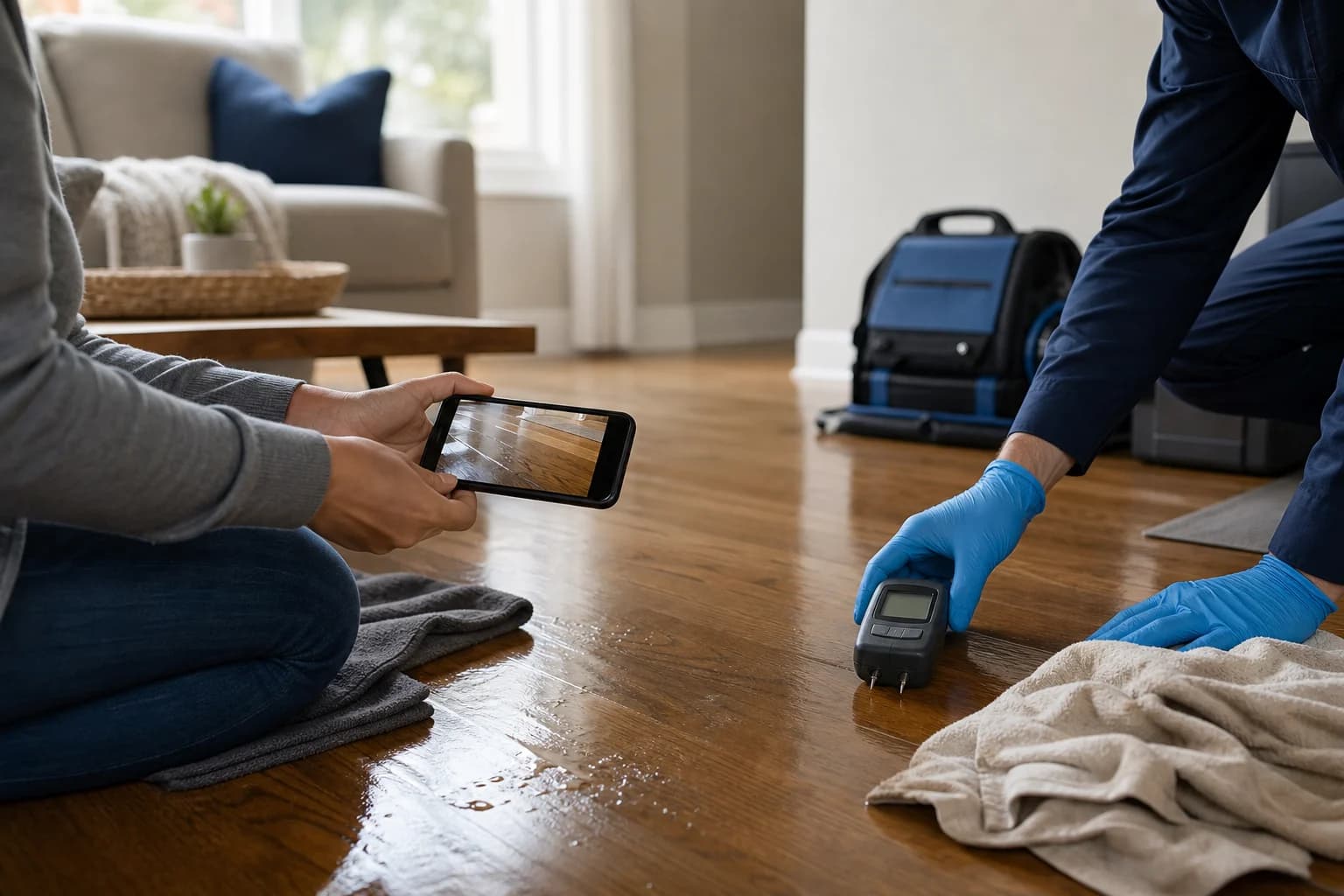
Not every water incident requires professional intervention, but certain conditions make an on-site assessment valuable. If the water source is contaminated—such as floodwater or sewage backups—safe removal and extraction require protective equipment and specific handling procedures. Where water has reached wall cavities or subfloors, or if the extent of moisture is unclear, experienced restoration professionals can use tools to check for hidden or widespread moisture.
Thermal imaging cameras can be used to screen for temperature differences that may indicate damp areas behind walls or below surfaces, but temperature patterns are not proof of moisture; any suspicious area should be confirmed with moisture meters or sensors. This helps ensure that all affected spots are identified before drying begins. Professional assessment is also important if there are persistent odors, stains, or if the property has a history of water issues, as these can suggest hidden moisture problems.
Common Clues and Mistakes in Water Removal and Extraction
Several observable clues may suggest water is still present after removal: damp spots that do not dry, musty or persistent odors, unexpected stains, or cool areas detected by thermal imaging. However, these clues require further investigation. For example, a cool patch on a wall could indicate lingering moisture or simply a draft; only moisture meters can confirm the presence of water.
A common mistake is assuming that once the visible water is gone, the problem is solved. Overlooking extraction can leave moisture trapped in carpets, padding, or under flooring, delaying drying and possibly causing ongoing issues. Another misstep is starting drying equipment too soon; air movers and dehumidifiers are most effective after water has been thoroughly removed and extracted. Drying equipment should not be used if sewage, contaminated water, or visible or suspected mold is present, as increased air movement may spread contaminants. Rushing the process can result in uneven drying and missed wet spots.
Safe Steps to Take After Water Damage
When water loss occurs, start by identifying the water source and stopping it if possible. For clean water from a broken pipe, small amounts can often be mopped up, but widespread or deep water should be removed promptly. If water is contaminated with sewage or floodwater, avoid direct contact and do not attempt removal without proper protection. Do not enter standing water if electrical equipment is present or if you are unsure of electrical safety. Only turn off power to affected areas if it is safe to do so, and never cross a wet area to reach a breaker.
After removal, check for lingering dampness in carpets, rugs, and drywall. If you notice persistent moisture, or if the water has soaked into building materials, consider contacting a restoration professional for a thorough assessment. Fast action and thorough extraction help reduce the conditions that allow mold to grow and support a more complete drying process. Each property is different, so the best next steps depend on the materials, water source, and how far the water has spread.
Why Removal and Extraction Both Come Before Drying
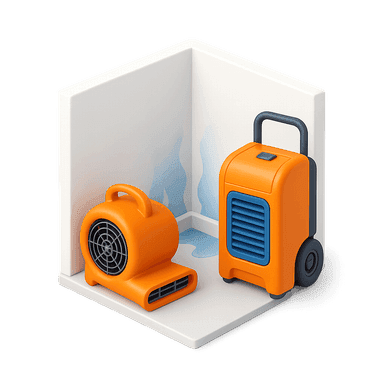
Effective drying depends on how much water is left after removal and extraction. Drying equipment like air movers and dehumidifiers are designed to address the remaining moisture in the air and on surfaces, not to handle pools of standing water or heavily soaked materials. The more water that is removed and extracted upfront, the more efficiently the drying process can proceed.
If any step is skipped, hidden pockets of moisture may remain in carpets, walls, or subfloors. This can result in slow drying, persistent odors, and the conditions that allow mold to grow. Restoration professionals typically follow a sequence: removal, extraction, and then drying. This approach supports a more complete recovery for the property.
Related Services
Standing Water in Your Home?
Getting the water out quickly and thoroughly protects your property. Call Water Restoration Pros to get connected with restoration professionals that service your area and can remove water, extract moisture, and dry your home.
Call (833) 968-0848Frequently asked questions
What is the main difference between water removal and water extraction?
How do restoration professionals check for hidden moisture after water removal?
Can I skip extraction if the visible water is gone?
Sources reviewed (2)
- U.S. EPA - Mold Course Chapter 2: EPA guidance on drying buildings, furnishings, carpet, wall cavities, and other wet materials.
- U.S. EPA - Flooded Home: EPA guidance on safety, cleanup, moisture control, and drying after a home is flooded.