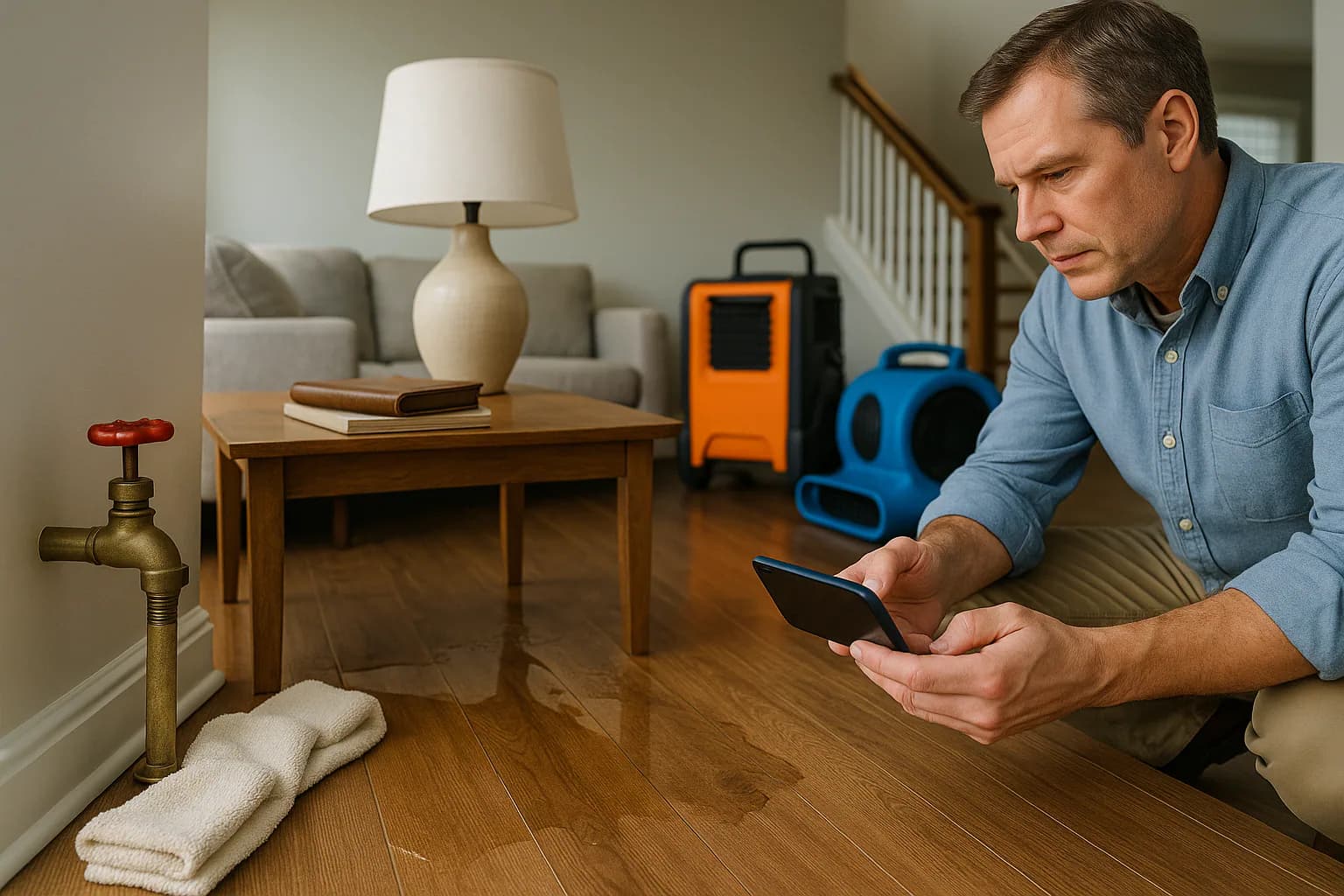
When water unexpectedly enters a home, the minutes and hours before professional help arrives are critical. Taking safe, practical steps during this window can help limit further damage. The right actions depend on the type of water, the affected areas, and whether any hazards are present. Always put safety first, and do only what can be done without risk.
Restoration professionals address water damage with specialized tools and training, but homeowners can take initial steps while waiting for help. This guide explains how to assess the situation, protect your belongings, and avoid common pitfalls. It also covers what a professional will look for once onsite and when to pause and wait for expert assessment.
Safety Comes First
Do not enter rooms with standing water if there's any chance it has reached electrical outlets, cords, or appliances. Stay away from sewage or potentially contaminated water, and keep family and pets out of the affected area. When in doubt, wait for professional help rather than taking a risk.
Immediate Actions: What to Do First
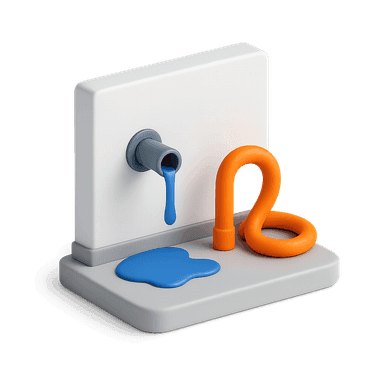
If the area is clearly safe to enter, start by stopping the source of water. For a localized leak, such as a burst pipe or overflowing fixture, shutting off the water at the nearest valve can help limit further intrusion. If the leak is severe or you cannot find the source, use the main shutoff valve to stop water to the entire home. Only attempt this if you do not have to step into water or approach electrical panels to do so.
If you can safely access your breaker panel without crossing a wet area, turning off power to the affected area reduces the risk of electrical accidents. Never approach electrical equipment if water is present on the floor or covering outlets. Once the water source is controlled and the area is safe, move important items—such as documents, electronics, and valuables—to a dry space. Lifting furniture legs onto blocks or foil can help prevent further saturation.
- 1
Stop the source if you safely can
For a fixture leak the local shutoff may be enough; for a larger problem, the main shutoff valve stops water to the whole home.
- 2
Shut off power only if it's safe
If you can reach the breaker panel without stepping into or touching water, cutting power to the area reduces risk. If not, leave it and keep everyone away.
- 3
Move valuables and lift furniture
Once it's safe to move around, take documents, electronics, and irreplaceable items to a dry area and lift furniture legs onto blocks or foil.
- 4
Start airflow only if the water appears clean and safe
If there's no electrical risk and you are confident the water is not contaminated, opening windows and running fans can help begin drying. Otherwise, skip this step.
Assessing Hazards and Hidden Moisture
Not all water is the same. Water from a clean supply line or fixture generally poses fewer risks than water from outside flooding, drains, or sewage. If there is any reason to think the water is contaminated—such as from a drain, flood, or discolored appearance—avoid contact and wait for professionals. Even water that started clean can become contaminated if it sits or spreads to areas with debris or other contaminants.
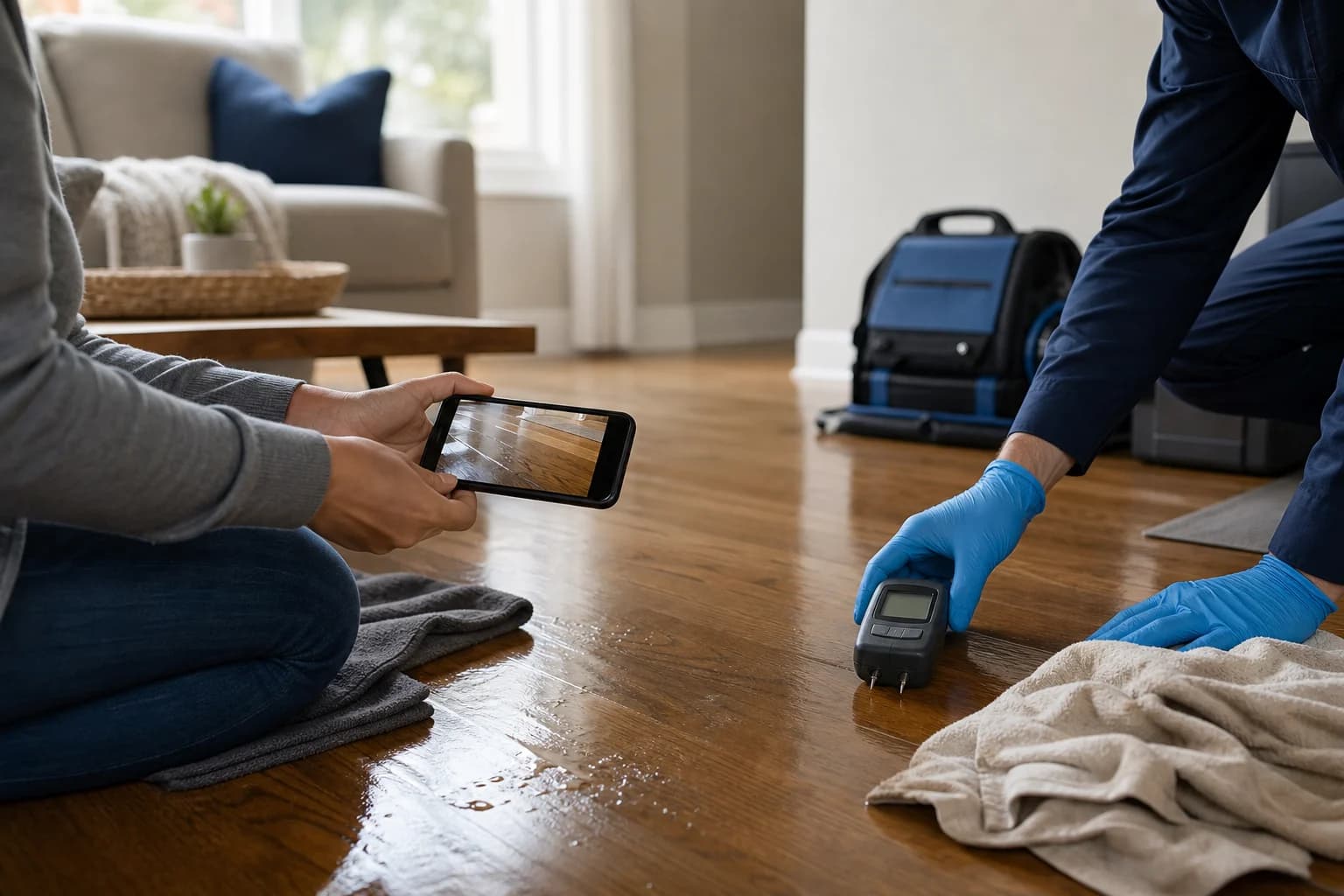
Odors, stains, and temperature differences on walls, floors, or ceilings can be clues that water has spread beyond what is immediately visible. A musty smell may indicate lingering moisture or the beginning of conditions that allow mold to grow. Cooler spots detected with thermal imaging may suggest damp areas, but these patterns are not proof of hidden moisture. Restoration professionals often use moisture meters or other equipment to confirm the presence of moisture and determine the best drying approach.
Documenting the Damage
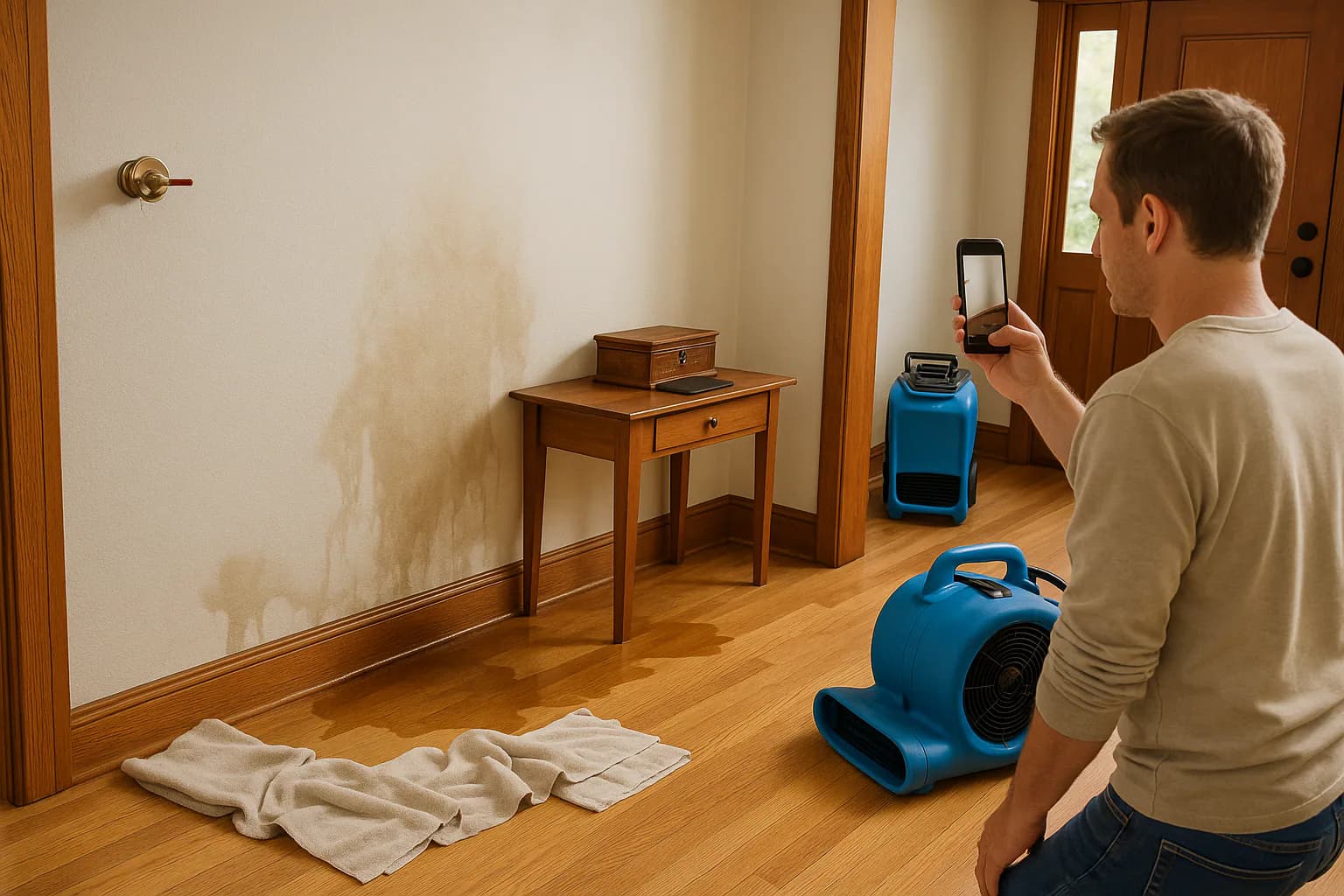
While you wait, use your phone or camera to photograph and record the affected areas. Take wide shots to capture the overall scene, and close-ups to show specific damage to floors, walls, and belongings. Note the time you first noticed the water, the likely source, and any steps you took to limit damage. This documentation can help with insurance claims and provide restoration professionals with important context.
Keep damaged items for inspection rather than discarding them, unless they present an immediate safety risk. Save receipts for any supplies or emergency repairs you make. If you need to move belongings out of the affected area, place them on a clean surface in a dry space, and continue to document their condition. Avoid stacking wet items, as this can trap moisture and make cleanup more difficult later.
Starting Drying—When and How
If the water is from a clean source and there are no electrical hazards, you can help the drying process begin. Open windows to encourage ventilation if weather allows. Use household fans to circulate air, but only if outlets and cords are well away from any moisture and you are confident the water is not contaminated. If there is any possibility that the water is from a sewage source, outside flooding, or contains contaminants, do not use fans or create airflow, as this can spread contaminants. In such cases, keep the area closed off until it can be professionally assessed.
Drying surfaces quickly reduces the conditions that allow mold to grow, according to the U. S. EPA. However, drying alone may not be enough if water has seeped into wall cavities, under flooring, or into insulation. Restoration professionals use specialized equipment to detect and remove hidden moisture. Persistent dampness, odors, or temperature differences may signal the need for an onsite assessment.
What Not to Do—Common Mistakes
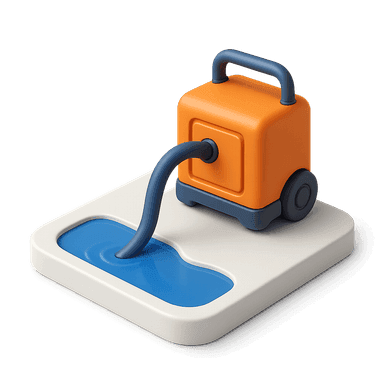
- Don't use household vacuums or electronics to remove water
- Don't enter rooms with standing water near electrical sources
- Don't touch or wade into sewage or contaminated water
- Don't discard damaged items before documenting them
- Don't assume the area is fully dry just because the surface looks dry
Attempting cleanup with household appliances can be dangerous and ineffective. Water can conduct electricity, and using vacuums or electronics near moisture increases the risk of shock or equipment damage. Similarly, entering areas with standing water near electrical sources is unsafe. If water came from a drain, toilet, or outside flooding, it may carry contaminants. Avoid discarding anything before it is documented, as these items may be needed for insurance or professional assessment. Keep in mind that surfaces may dry faster than what is underneath—hidden moisture can linger in walls, floors, and furniture.
When to Wait for Professional Assessment
Some situations require specialized assessment and equipment. If you cannot identify the water source, if water has entered wall cavities or insulation, or if the affected area is widespread, restoration professionals can conduct a thorough evaluation. Thermal imaging can help screen for areas with temperature differences, but these should always be checked with a moisture meter or by direct inspection to confirm hidden dampness.
If the water is contaminated, persistent, or difficult to reach, professionals can recommend safe cleanup and drying methods. They may also advise on whether materials like carpet, drywall, or insulation can be salvaged or should be removed. Each property and situation is different; what is effective in one home may not apply in another. When conditions are unclear or risks are present, waiting for expert guidance is the best step.
Get Help on the Way
While you take safe first steps, get the pros moving. Call Water Restoration Pros to get connected with restoration professionals that service your area and can begin water removal and drying.
Call (833) 968-0848Frequently asked questions
What should I do first when water is coming into my home?
Should I try to remove the water myself?
Is it safe to run fans while I wait?
Sources reviewed (2)
- U.S. EPA - Mold Course Chapter 2: EPA guidance on drying buildings, furnishings, carpet, wall cavities, and other wet materials.
- U.S. EPA - Flooded Home: EPA guidance on safety, cleanup, moisture control, and drying after a home is flooded.