How to decide whether to file a water damage claim
A water damage claim is usually worth considering when the loss is sudden, the damage is significant, and the repair estimate is higher than the deductible. The right choice depends on the cause, the policy language, exclusions, endorsements, limits, deductible, and the facts of the claim.
For smaller losses, paying out of pocket may be simpler. For larger losses, it can help to get a professional assessment and compare that estimate with the deductible and any policy terms that may apply.
Start with the cause of the damage
The cause matters because homeowners policies do not cover every kind of water loss in the same way. Sudden and accidental damage is often treated differently from gradual damage, such as a slow leak that developed over time. Policy review is important because exclusions and endorsements can change how a claim is handled.
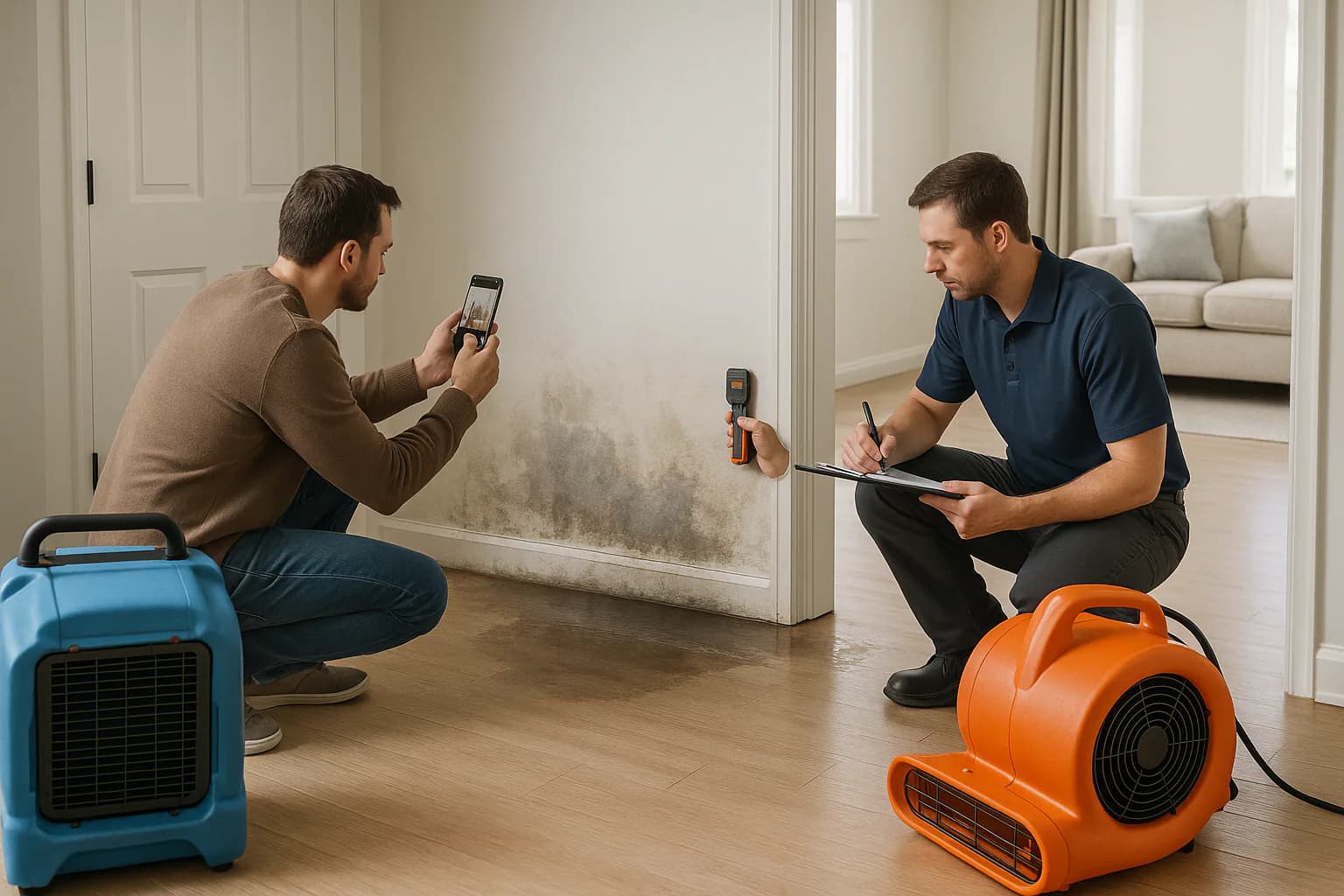
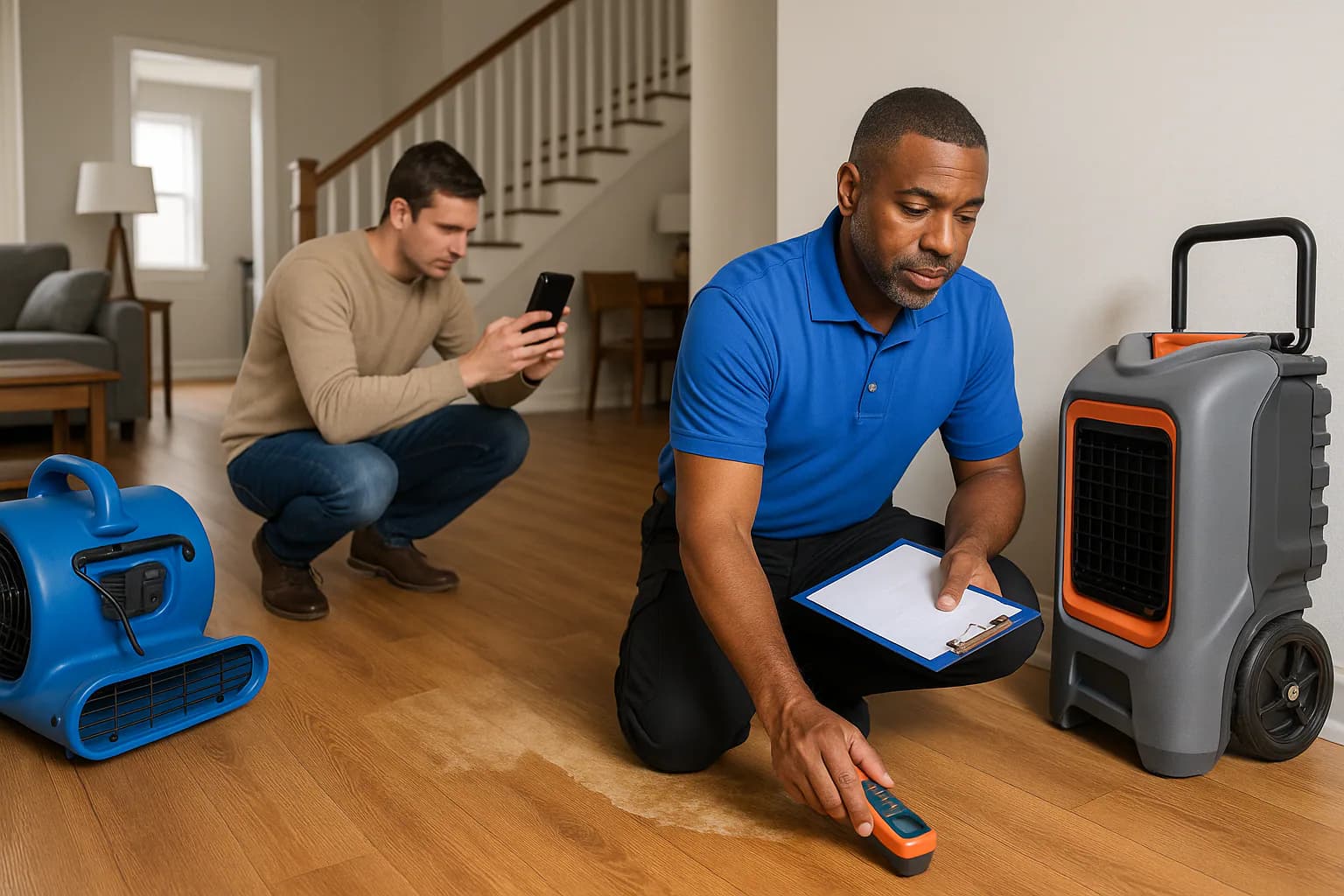
If the source is not obvious, a local pro can inspect the area, identify visible damage, and help document conditions that may matter for the claim. That documentation can support the discussion with the insurer.
Compare the deductible with the repair estimate
A practical first step is to compare the deductible to a current itemized estimate. If the estimated repair cost is only slightly above the deductible, filing may not provide much financial benefit. If the damage is much higher than the deductible, a claim may deserve closer review.
Estimates should reflect the source of the water, affected materials, drying needs, and any repairs or reconstruction. Those details can change the total significantly, so a quick visual guess is often not enough.
Act quickly to limit moisture problems
The EPA advises drying wet building materials within about 24 to 48 hours when possible. Prompt drying helps reduce the conditions that allow mold to grow. Indoor humidity control also matters, especially after a leak or overflow.
If the area is large, hidden, or difficult to dry, the pros in your area can help assess what can be salvaged and what may need removal or additional drying. Thermal imaging may help screen for temperature patterns, but it does not prove moisture or mold without direct measurement or inspection.
Handle contaminated water with care
If the loss involves sewage, black water, or floodwater, treat the material as potentially contaminated. Avoid exposure and follow public-health guidance. Safe handling and sanitation are important parts of the cleanup process, and a local pro can help determine what conditions require specialized cleanup.
Do not enter standing water or handle energized equipment. If the area is unsafe, wait for conditions to be assessed before any cleanup begins.
Know what filing can mean for the policy
A claim can affect how an insurer reviews the loss, so it is worth reading the policy before filing when time allows. Insurers consider the claim facts, and outcomes depend on the policy language, exclusions, endorsements, limits, deductible, and cause of damage.
The NAIC recommends reviewing the policy, keeping an inventory of damaged items, and documenting the loss carefully. If a claim is filed, the insurer may ask for photos, receipts, and other records. The homeowner should also be prepared to meet with an adjuster and answer questions about the damage.
When paying out of pocket may be reasonable
For small, contained damage, paying out of pocket can be reasonable if the repair estimate is below or close to the deductible. That can avoid starting a claim for a loss that may not create much insurance value.
The decision should still account for the full repair scope. Hidden moisture, damaged materials, or drying needs can make a loss more expensive than it first appears, so a professional estimate is useful before deciding.
How to document the loss
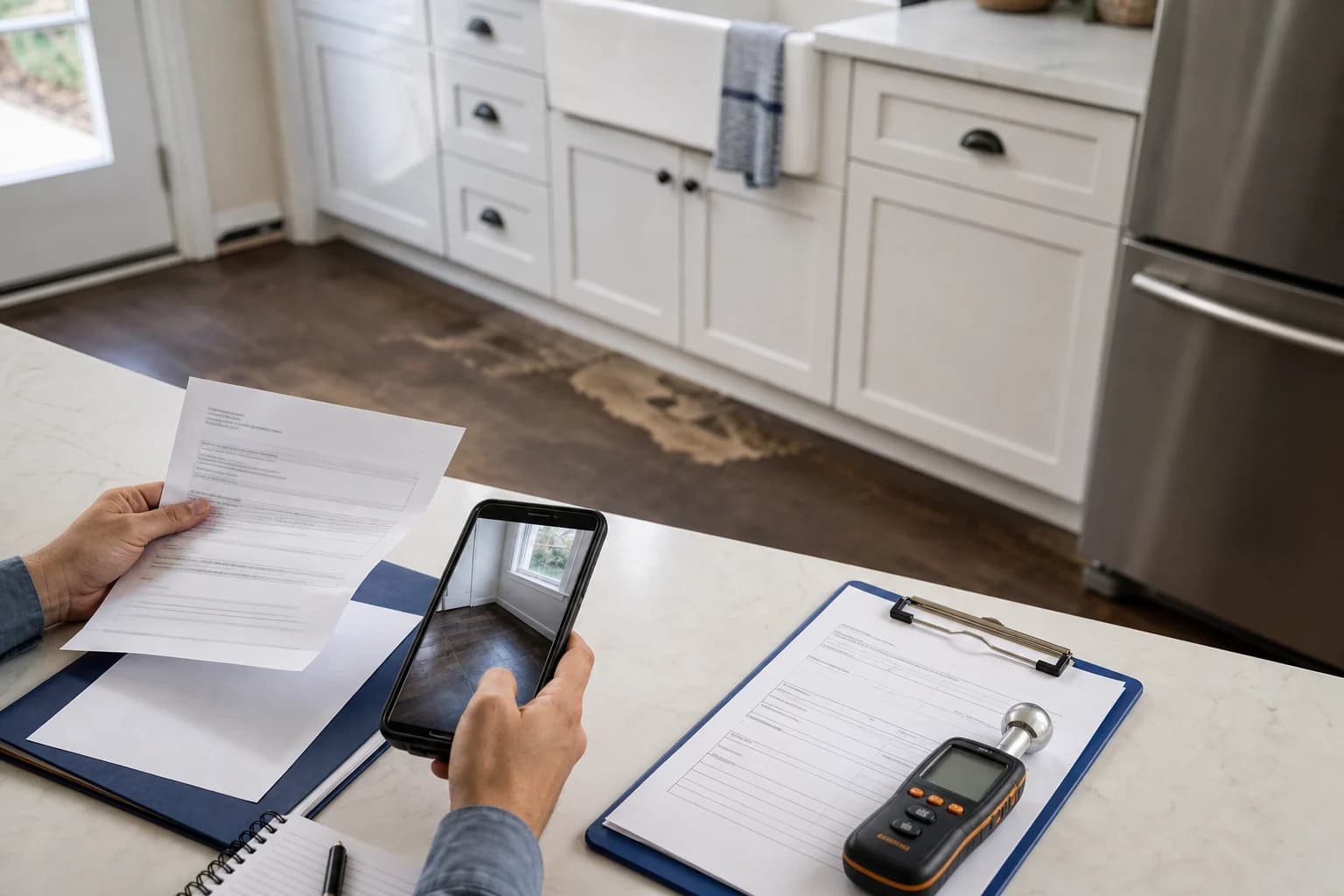
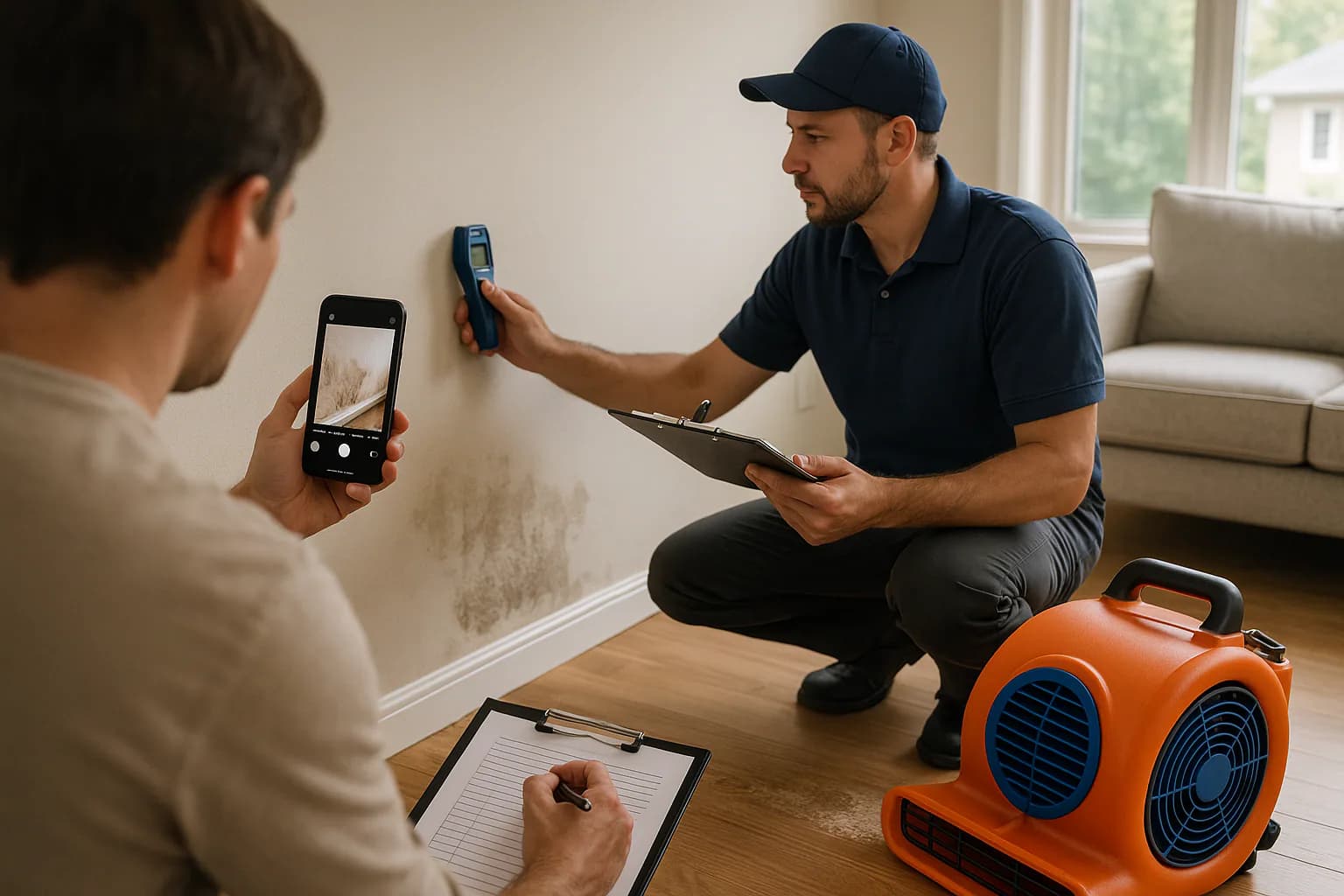
Good documentation can make the claim process clearer. The NAIC advises homeowners to report the claim promptly, document the damage, keep records, and be prepared for contractor and adjuster meetings. Photos, videos, a list of damaged items, and repair estimates can help show what happened and when.
A local restoration pro can help identify visible damage and support the documentation process with a written assessment. That does not decide coverage, but it can help explain the scope of work needed.
Review the policy before you decide
The safest approach is to base the decision on the policy and the facts, not on assumptions. Coverage can vary, and exclusions or endorsements may change the result. Reading the policy and contacting the insurer can help clarify how the loss may be treated.
If there is any uncertainty, a homeowner can ask the insurer how the claim would be handled before deciding whether to file. That conversation does not support a result, but it can help set expectations.
- 1
Identify the source
Determine whether the water came from a sudden event, a slow leak, sewage, or floodwater. The cause can affect how the loss is reviewed.
- 2
Document the damage
Take photos, make a list of damaged items, and keep repair estimates and receipts. The NAIC recommends keeping records for the claim process.
- 3
Compare estimate and deductible
Use a current itemized estimate and compare it with the deductible. Consider whether the loss is large enough to justify filing.
- 4
Review the policy
Check coverage, exclusions, endorsements, limits, and deductible. Contact the insurer with questions before filing if needed.
- 5
Act on moisture quickly
Dry wet materials as soon as possible, ideally within about 24 to 48 hours when possible, to reduce the conditions that allow mold to grow.
Related Services
Connect with Local Pros
Need professional water damage restoration? Connect with local experts who can assess, mitigate, and repair damage efficiently.
Call (833) 968-0848Frequently asked questions
Should every water damage loss be filed as a claim?
What documents help when filing a water damage claim?
How soon should wet materials be dried?
Does thermal imaging prove there is moisture?
What if the water came from sewage or floodwater?
Sources reviewed (5)
- Insurance Information Institute — Facts + Statistics: Homeowners and renters insurance: Industry statistics for water-damage and freezing claim frequency and homeowners loss categories.
- NAIC - Consumer Homeowners Insurance: NAIC consumer information on homeowners coverage, exclusions, inventories, and policy review.
- NAIC - What You Need to Know When Filing a Homeowners Claim: NAIC guidance on reporting a claim, documenting damage, deductibles, contractors, and adjuster meetings.
- U.S. EPA - A Brief Guide to Mold, Moisture and Your Home: EPA guidance on moisture control, prompt drying, indoor humidity, and mold cleanup decisions.
- U.S. EPA - Mold Course Chapter 2: EPA guidance to dry wet building materials within about 24 to 48 hours when possible.