Frozen pipes are a common risk during cold snaps, especially in homes with plumbing that runs through unheated spaces or along exterior walls. When water inside a pipe freezes, it expands and can crack or burst the pipe, leading to a sudden release of water and potential property damage. Taking steps now to prevent pipes from freezing—and knowing how to thaw them safely if they do—can help reduce the risk of major headaches and expenses.
If a pipe does freeze, acting promptly and carefully is important. There are safe, effective ways to thaw frozen pipes and limit the risk of a burst. This guide covers practical steps for prevention and thawing, how to recognize warning signs, and what to do if a pipe fails. It also explains when to consider calling in a professional for assessment and drying.
Preventing Frozen Pipes in Cold Weather
The pipes most at risk for freezing are those in unheated basements, crawl spaces, attics, garages, and anywhere plumbing runs along exterior walls. Cold air drafts, poor insulation, and fluctuating indoor temperatures can make these pipes especially vulnerable. Simple, practical steps can reduce the risk of freezing and water damage.
- Add foam sleeves or pipe insulation to exposed pipes in unheated areas and along exterior walls.
- Let a cold-water faucet drip during severe cold; moving water is less likely to freeze, and a slight flow can relieve pressure if ice forms.
- Keep your home's heat on, even if you are away, and avoid letting the temperature drop too low.
- Open cabinet doors under sinks to allow warm room air to reach hidden pipes.
- Seal cracks and openings that let cold air reach pipes, especially near windows, doors, and foundations.
- Disconnect garden hoses and shut off or drain outdoor spigots before winter sets in.
- Know the location of your main water shutoff. This allows for a rapid response if a burst occurs.
Household leak detection devices, such as those described by the U. S. EPA WaterSense program, can alert you to sudden changes in water flow or unexpected moisture, which may signal a freeze or break. Monitoring your water usage for irregularities is especially useful during cold spells.
Identifying Frozen Pipes and Warning Signs
Recognizing a frozen pipe early gives you the best chance to thaw it before it bursts. Common signs include no water or only a trickle from a faucet, visible frost or bulging on a pipe, and unusual odors coming from drains. Sometimes, you may notice a cold section of wall or cabinet, or hear strange noises when turning on a tap.
Thermal imaging cameras can be used to screen for cold spots in walls and ceilings, which may help identify areas where pipes could be frozen. However, temperature patterns alone are not proof of a frozen or leaking pipe—suspicious areas should be confirmed with moisture meters or direct inspection if a leak or burst is suspected. If you observe stains, musty odors, or dampness, these are clues that may indicate hidden moisture from a slow leak or recent thaw and should be investigated further.
How to Thaw a Frozen Pipe Safely
If you suspect a pipe is frozen but has not burst, act carefully. Thawing should be done gradually and safely to avoid damaging the pipe or creating a fire hazard. The goal is to restore water flow steadily and relieve pressure inside the pipe. Avoid any device with an open flame or excessive heat.
- 1
Open the faucet
Turn on the faucet connected to the frozen pipe. Allowing water to flow helps melt the ice and relieves pressure as the pipe thaws.
- 2
Apply gentle, steady heat
Use a hair dryer, heating pad, electric heat tape, or towels soaked in warm water. Begin near the faucet and work back toward the coldest section. Use space heaters with caution and never leave them unattended.
- 3
Continue until water flows normally
Keep applying heat until full water flow returns. This may take time. Keep the faucet open throughout to let melted water escape.
- 4
Check other pipes in cold areas
If one pipe has frozen, others in similar conditions may also be at risk. Inspect them and warm the surrounding area if needed.
Never Use an Open Flame
Do not attempt to thaw pipes with a blowtorch, propane heater, or any open flame. This is a fire hazard and can damage the pipes. If you cannot access the frozen section or it will not thaw, contact a licensed plumber for assistance.
If thawing is not successful or you notice leaks, seek professional help. Restoration professionals can assess the extent of the issue, including any hidden water or potential moisture inside building materials that could lead to further damage if not addressed.
What to Do if a Pipe Bursts
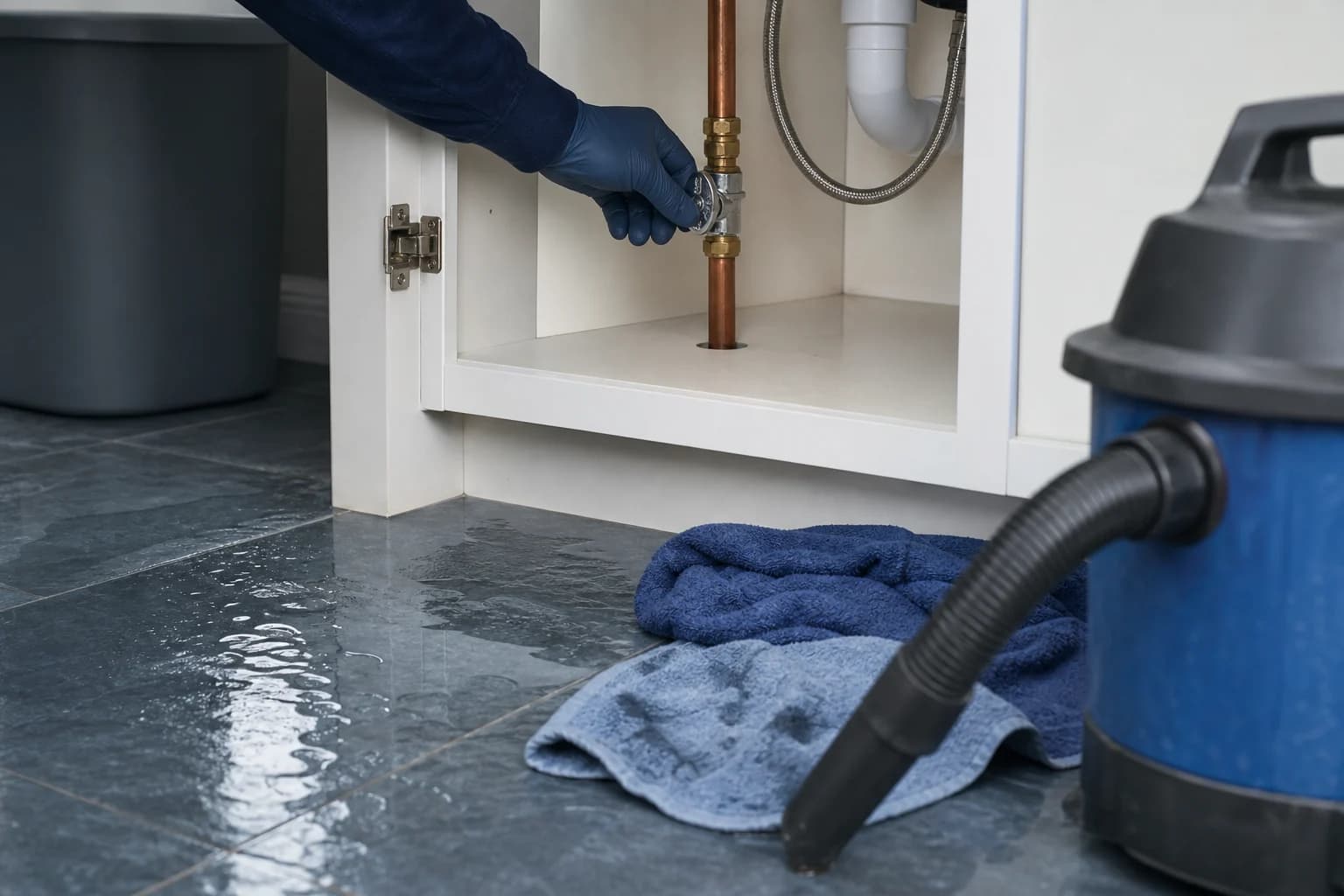
If a frozen pipe breaks, immediate action can help limit damage. First, shut off your main water supply to stop the flow. If water is near electrical outlets, appliances, or your breaker panel, do not enter the area or touch electrical devices. Only shut off power if you can do so safely and without crossing wet areas. Move belongings out of standing water if it is safe to do so, and use towels or mops to remove as much water as possible.
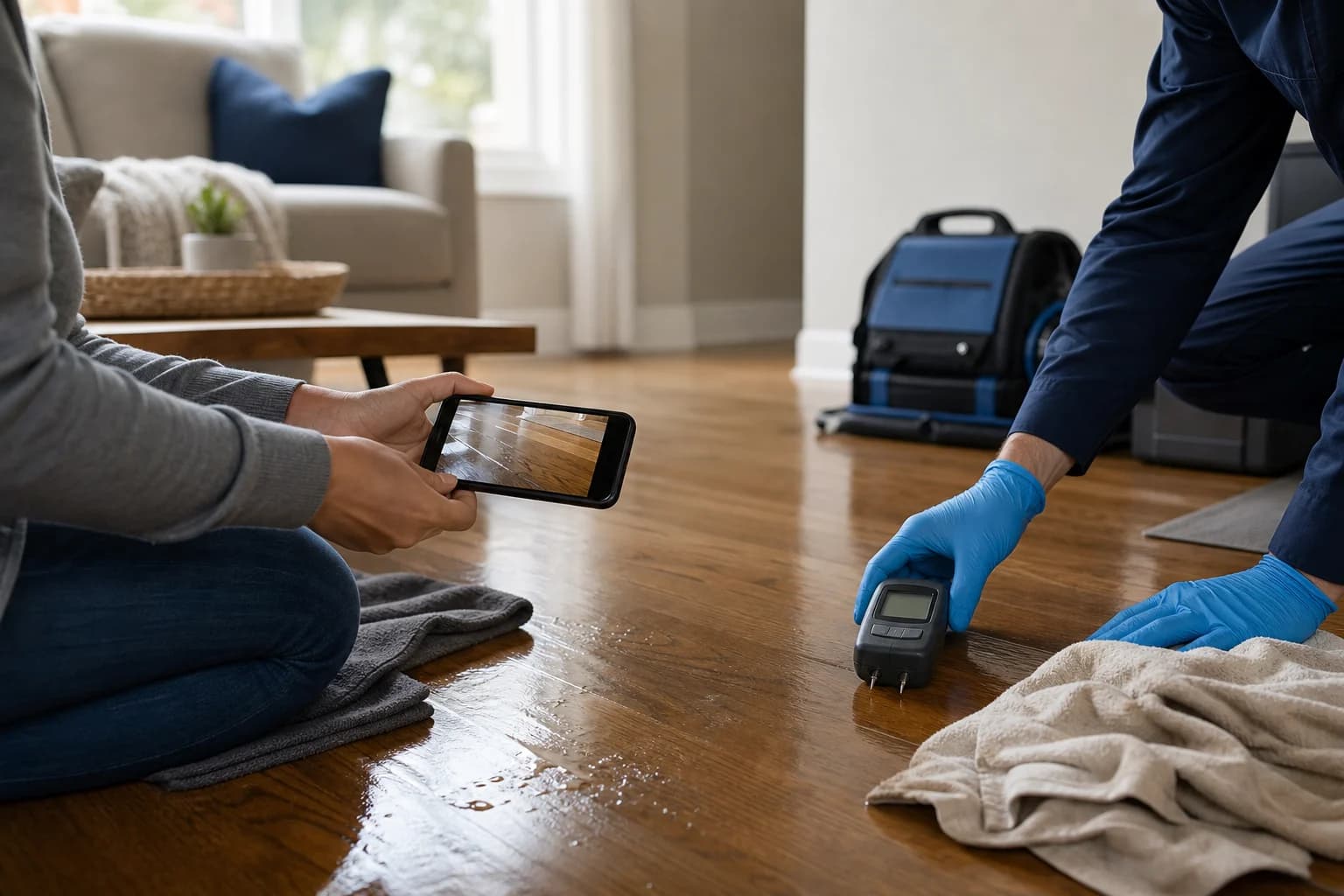
Document the situation with photos and video for insurance purposes. Water from a burst pipe can travel behind walls and under floors, where it may not be seen right away. Restoration professionals can provide water extraction, drying, and moisture checks to help reduce the risk of further issues. Fast drying within 24-48 hours reduces the conditions that allow mold to grow, as recommended by the U. S. EPA.
When to Call a Professional
Some frozen or burst pipe situations are best handled with professional help. If you cannot locate the freeze, access the pipe safely, or if you notice visible leaks, widespread water, or persistent moisture, an on-site assessment is useful. Restoration professionals have tools to locate hidden moisture, extract water, and dry affected materials according to current guidance.
If you encounter contaminated or discolored water, sewage backups, or extensive flooding, special handling is required to ensure safe cleanup and sanitation. Restoration professionals also provide moisture measurements and monitor drying progress, which is especially important in homes with complex layouts or where water has traveled far from the burst point. The connection service can link property owners to local restoration professionals for urgent response.
Common Mistakes to Avoid
Using high heat or open flames to thaw pipes is a major cause of accidental fires and pipe damage. Avoid using blowtorches, kerosene heaters, or any heat source that could ignite nearby materials. Skipping insulation or ignoring drafts can leave pipes exposed year after year, increasing the risk of freezing.
Delaying action after a pipe bursts can allow hidden moisture to remain inside walls, floors, or insulation. Even if water appears to have dried on the surface, dampness can persist and create conditions for mold growth if not addressed promptly. Monitoring for unexpected water use, as recommended by the EPA, can help spot leaks early. Suspect odors or stains should be investigated rather than ignored.
Dealing With a Burst Pipe?
After you shut off the water, fast drying limits how far the damage spreads. Call Water Restoration Pros to get connected with restoration professionals that service your area and can extract the water and dry out your home.
Call (833) 968-0848Frequently asked questions
What are the first signs that a pipe may be frozen?
How long does it take to thaw a frozen pipe safely?
Why is it important to check for hidden moisture after a pipe bursts?
Sources reviewed (3)
- U.S. EPA WaterSense - Leak Detection and Flow Monitoring Devices: EPA guidance on identifying unexpected moisture, irregular water use, and household leaks.
- U.S. EPA - A Brief Guide to Mold, Moisture and Your Home: EPA guidance on moisture control, hidden dampness, indoor humidity, and drying wet materials within 24-48 hours.
- U.S. EPA - Flooded Home: EPA guidance on safety, cleanup, moisture control, and drying after a home is flooded.